How long does an EV charging station installation take?
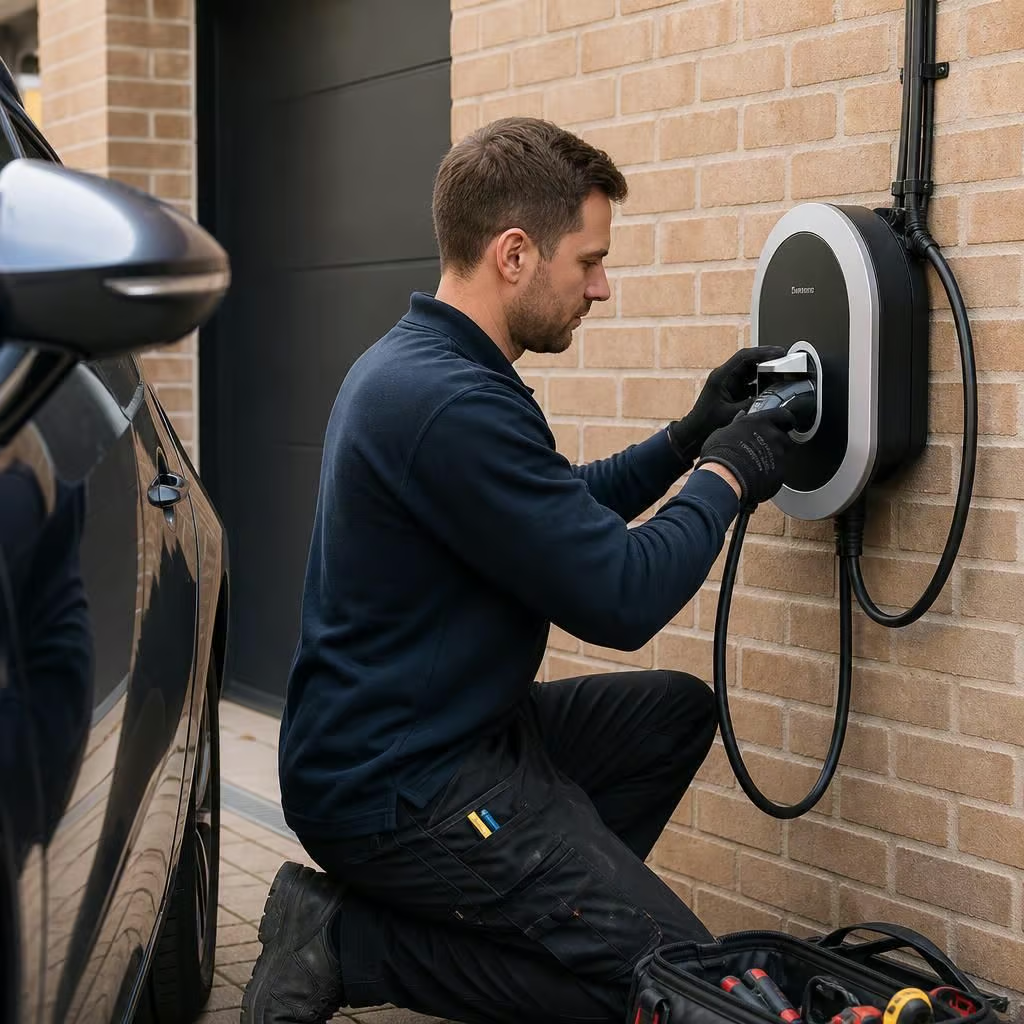
A straightforward EV charging station installation is often completed in one visit, but the exact time depends on the cable route, electrical supply and any preparation needed. We confirm the expected duration after the site survey, then test the charger and leave the installation ready to use.
The time on site depends mainly on the distance between the consumer unit and the charger, the condition of the electrical installation and where the vehicle is parked. A straightforward installation can be completed during one visit, while longer cable runs, outdoor groundworks or electrical upgrades add preparation and fitting time.
Before installation
Your installation starts with a site survey, either in person or using the information and photographs needed to assess the property. We look at the consumer unit, the available electrical capacity, the proposed charger position and the route for the cable.
This identifies issues that could affect the programme, such as an older consumer unit, limited space for protective equipment, a detached garage or a cable route that crosses a driveway. If the existing supply needs changes, we explain those before work starts rather than discovering them on the day.
The survey also confirms where the car normally parks. A charger close to the consumer unit may need little preparation. A unit at the far side of the house, on a separate outbuilding or beyond a landscaped area needs more planning.
What happens during the installation
- We prepare the electrical connection. We check the consumer unit and install the required protective devices. If the board is unsuitable or already crowded, we discuss the necessary upgrade before connecting the charger.
- We install the cable route. The cable may run externally, internally, through a loft space or underground. We agree the visible route with you, protect the cable where needed and keep disruption to a minimum.
- We fit and connect the charger. The charger is secured to the wall or its mounting arrangement, then connected to the dedicated circuit. If the unit is outdoors, we position it with the cable length, weather exposure and access to the car in mind.
- We test the completed installation. We test the circuit, protective equipment and charger controls before handing it over. We also explain how to use the charger and any connected app or load-management function.
Work that can extend the timescale
Your charger may take longer to install if the cable must travel around several walls, pass through difficult construction or reach a detached garage. Listed buildings, solid-wall properties and barn conversions can need a more careful route because chasing cables into the fabric of the building may not be suitable.
A trench for an underground cable adds another stage. The surface may need to be lifted and reinstated, and the route must be agreed before digging begins. If the parking space is away from the house, this preparation can be more significant than fitting the charger itself.
An older electrical installation may also need attention. We may recommend a consumer unit replacement, earthing work or other remedial work where testing shows that the existing system cannot safely support the new circuit. We will set out this work separately so you can make an informed decision.
Some properties need the electricity network operator to approve a change to the supply. That approval is separate from the physical charger installation and can affect the overall timescale. We explain when this applies and what needs to happen next.
Can you stay at home during the work?
For a standard installation, you can usually remain at home while we work. There may be short periods when we need to isolate the electrical supply, so equipment that must stay powered should be identified before we begin.
Access matters more when the route passes through a loft, garage, cupboard or outside area. Clearing these areas beforehand helps us work efficiently and prevents the installation being held up by furniture, stored items or locked gates.
Why the survey matters to the timing
The survey separates fitting time from preparation that needs to happen first. It also gives you a clearer quotation, because the cable route, charger position and electrical condition have been considered before the installation date.
If the survey finds that the proposed position is impractical, we can compare another route or location. That may change the work involved, but it avoids fitting a charger where the cable is vulnerable, the car cannot park conveniently or the electrical system needs further work.
For a home or business, the useful question is not simply how long the charger takes to mount. It is whether the property is ready for a safe, tested connection at the chosen parking space. Our written quotation explains the work included before installation starts, with no surprise charges for items already identified.
For a business or property with several parking spaces, installation usually takes longer than fitting one home charger. We assess the number of charge points, cable routes and how the electrical load will be shared between them. Access arrangements and work across multiple parking areas can also affect the programme, so the quotation sets out what will happen on each visit.