How much does commercial electrical maintenance cost?
Commercial electrical maintenance cost depends on the size of the premises, the equipment covered and whether the work is planned servicing or remedial repairs. We assess the installation first, then provide a written quotation showing what is included before any work starts.
There is no single commercial electrical maintenance price. The cost is shaped by the size and risk of the premises, the equipment being maintained, the records available and the condition of the electrical installation. A small office with straightforward wiring needs a different maintenance plan from a workshop, farm building, retail unit or multi-site property.
The main cost factors are:
- Premises size and layout. More rooms, floors, outbuildings and distribution boards increase the time needed to inspect and test the installation.
- The number of electrical systems. Lighting and socket circuits are only part of the work. We may also need to maintain emergency lighting, external supplies, fixed equipment connections, three-phase systems, machinery supplies and controls.
- The condition of the installation. An installation with clear labelling, accessible equipment and complete records takes less time to work on than one with damaged accessories, crowded boards or undocumented alterations.
- Access and working arrangements. Restricted areas, high-level fittings, locked plant rooms, production zones and areas requiring escorts or permits can add time to the visit.
- The level of business risk. A fault affecting a server room, refrigeration system, security system or production line needs a different plan from a fault in a non-critical area.
- Testing and reporting requirements. A landlord, managing agent or facilities team may need a detailed asset list, test results, defect schedule and completion records rather than a simple service note.
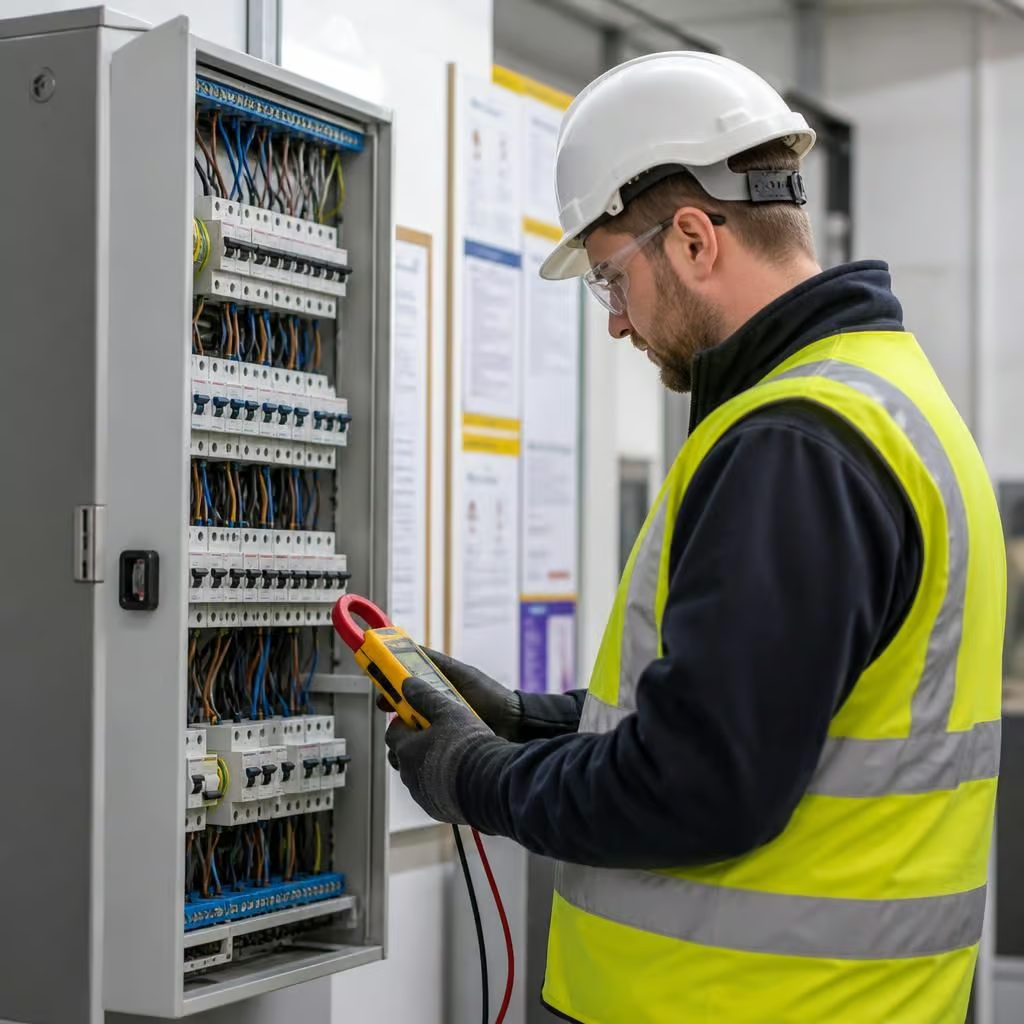
A maintenance visit normally covers visual checks, functional tests and electrical testing appropriate to the equipment. We look for loose or damaged accessories, overheating, poor connections, unsuitable alterations, failed protective devices and signs of overloading. We also check that labels and isolation points are usable, so the next engineer or member of staff can identify the correct circuit safely.
Routine maintenance and an electrical inspection are related, but they are not always the same service. Planned maintenance keeps equipment and systems in serviceable condition. An EICR or other formal inspection assesses the condition of the installation against the requirements applicable to the premises. If both are needed, we explain what each part of the work covers rather than treating every test as a general maintenance cost.
Defects found during maintenance can affect the final spend. A failed emergency light, damaged socket or loose termination may need a straightforward repair. A deteriorated distribution board, inadequate earthing, overloaded circuit or unsafe alteration may require more investigation and planned remedial work. We record the issue, explain the risk and separate necessary repairs from improvements that can be considered later.
That distinction helps prevent an inspection from turning into an unexpected programme of work. Our quotation can identify the maintenance visit, any testing, access equipment, reports and recommended remedial items separately. If further work is needed, we provide the details and cost before it starts, so the person responsible for the building can make an informed decision.
Commercial maintenance may be priced as individual visits, a planned service agreement or a combination of scheduled inspections and separately quoted repairs. The right structure depends on how often the premises need attention and how much documentation the business requires. A single-site office may only need planned visits and clear defect reporting. A property manager may prefer separate records for each building, with faults prioritised across the portfolio.
Planned maintenance can also control the cost of disruption. If equipment can be isolated safely, we agree the affected areas and work sequence before attending. We can then group compatible tasks together instead of making repeated visits for separate minor faults. That may reduce access arrangements and make it easier for the business to plan around the work, although the practical benefit depends on the installation and operating requirements.
For older premises, the first maintenance visit can take longer if previous alterations are unclear. We may need to trace circuits, update labels or establish which equipment is supplied by each distribution board. That work improves the usefulness of later maintenance records and helps identify recurring faults rather than treating each symptom separately.
Our commercial electrical work is carried out by NICEIC-registered electricians, with ECA membership providing an additional benchmark for electrical competence and professional practice. You receive the records needed to understand what we inspected, what we found and what still needs attention. For landlords and property managers, that creates a clearer audit trail for compliance decisions and future repairs.
The most reliable way to establish commercial electrical maintenance cost is to define the premises, systems, access arrangements and reporting requirements before work begins. We can then prepare a written quotation based on the actual site rather than applying a generic rate to an installation we have not seen.
A lower headline price may cover only a basic visit. Before comparing quotations, check that each one states the equipment included, the tests carried out and the records provided afterwards.
If one quotation identifies emergency lighting, distribution boards, fixed equipment and reporting separately, you can see what has been left out. That makes the difference in price easier to assess and helps prevent essential checks being postponed because they were never included.