
Does a domestic electrical repair need an inspection certificate?
Most domestic electrical repairs don’t need a separate inspection certificate. If the repair alters or extends the installation, we’ll provide the appropriate Minor Works Certificate or Electrical Installation Certificate; an EICR is a separate report used to assess the installation’s overall condition.
The certificate you need depends on what the electrician has changed and tested. Replacing a failed component is different from adding a new circuit or altering the consumer unit.
An Electrical Installation Condition Report (EICR) is an inspection of the existing fixed wiring. It checks the condition of the installation as a whole, identifies defects and records any recommended remedial work. It is not normally the document issued for a single repair.
For example, an EICR may find a damaged socket, poor connections or inadequate earthing. The repair is then recorded separately, with the relevant electrical certificate provided for the work carried out. An EICR after the repair would only be appropriate if the wider installation also needs inspecting, or if you have specifically commissioned a condition report.
A Minor Works Certificate is commonly used when the repair involves a limited alteration to an existing circuit. This can include replacing or relocating an accessory, repairing part of a circuit or making a small alteration where no new circuit has been installed. The electrician records the work, test results and the condition of the circuit after completion.
An Electrical Installation Certificate is used for more substantial work. This normally includes installing a new circuit, replacing a consumer unit or carrying out an alteration that needs a fuller design, construction and inspection record. It covers the work completed, not an automatic approval of every cable and accessory in the property.
Some repairs are simply replacements. If a damaged socket, switch, light fitting or other component is replaced like for like, the work may not need a separate certificate in the same way as an alteration. We still inspect the surrounding wiring and carry out the appropriate safety tests. If those tests show a wider defect, we explain what needs attention rather than treating the replacement as the whole repair.
An electrical fault can also involve more than the item that first failed. A tripping circuit may be caused by damaged cable, water ingress, a loose connection or a fault in connected equipment. If tracing the fault leads to altered wiring, a new connection or work at the consumer unit, the paperwork should reflect that additional work.
Emergency repairs and certification
If the immediate risk is an exposed conductor, burning accessory or loss of power, we first make the installation safe. That may involve isolating a circuit, removing a damaged component or carrying out a temporary repair. Once the fault has been diagnosed, we explain whether further work is needed and which certificate applies to the permanent repair.
Making a circuit safe does not necessarily certify the rest of the electrical installation. If the underlying fault cannot be fully investigated during the initial visit, we record what we found and identify any follow-up inspection or repair required.
Landlords and property transactions
A repair certificate does not replace an EICR where a landlord, agent or buyer needs evidence about the condition of the fixed wiring. The EICR assesses the installation at the time of inspection. Certificates for later remedial work show how particular defects were corrected.
If an EICR has produced unsatisfactory observations, keep the report with the remedial certificate. This gives the landlord or agent a clear record linking the original defect to the completed work. We can explain when a repair certificate is enough and when a further inspection is sensible.
Building regulations and notification
Electrical certification and building control notification are related but different matters. Certain domestic electrical work may fall within the notification requirements of Building Regulations, particularly work in a new dwelling, a new circuit or specified locations such as bathrooms. The certificate records compliance with the electrical installation requirements; it is not the same document as a building control completion notice.
Before work starts, we confirm what is being altered, what tests are required and what paperwork the job calls for. Our NICEIC-registered electricians can provide the relevant electrical certification for work within that scope, with test results and details of the installation retained in the record.
Keep the certificate with the property documents. It can help if you later arrange an EICR, let the property, sell the home or need another electrician to understand what has been changed.
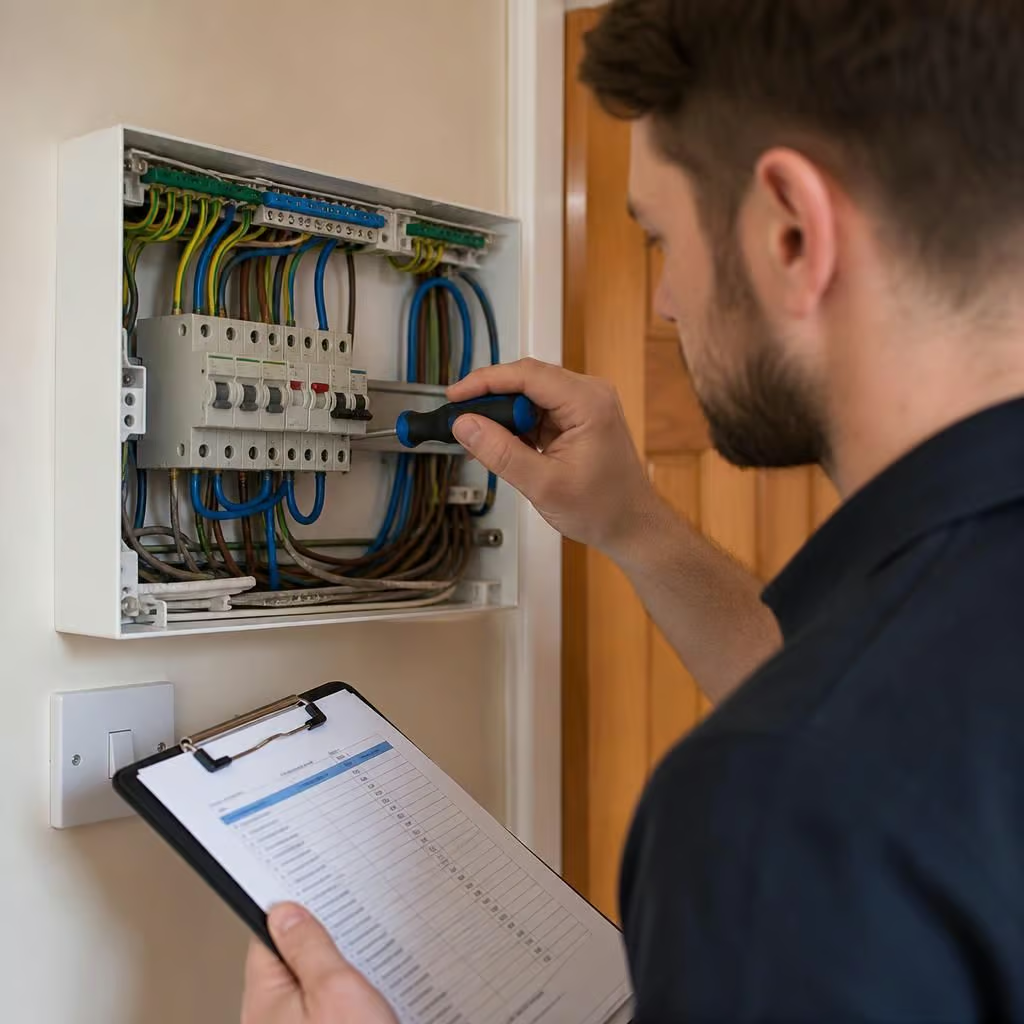
After a repair, check that the paperwork identifies the property, the work completed and the circuits tested. It should also show the inspection date, test results and any limitations.
This matters if another fault appears later. An electrician can see which part of the installation was examined and avoid treating an unrelated problem as part of the original repair. If the work uncovered an issue outside the agreed scope, we record that clearly so you know what remains outstanding.