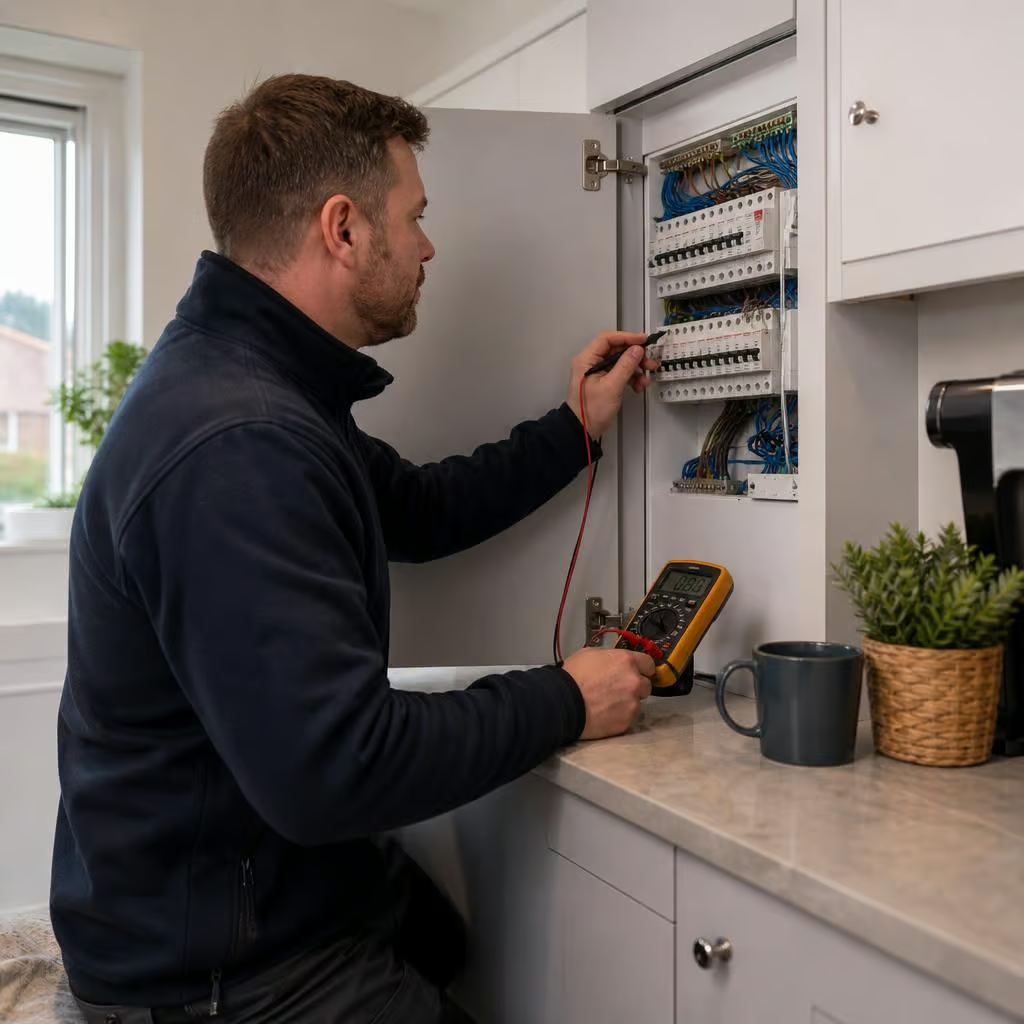
How disruptive is a domestic EICR inspection?
A domestic EICR is usually a low-disruption inspection. We check the accessible wiring, sockets, switches, consumer unit and earthing, then explain any findings before we leave.
A domestic EICR is normally manageable during an ordinary day at home. The main interruption is the testing itself, not building work. We plan the sequence around the property and explain before we isolate any circuit or test an item that affects the household.
What happens during the inspection
We begin with a visual check of the electrical installation, including the consumer unit, switches, sockets, lighting points and accessible fixed equipment. We then test the circuits to check conditions such as continuity, insulation resistance, polarity, earthing and the operation of protective devices.
Some tests require individual circuits to be isolated. That may interrupt lighting, sockets or appliances in one part of the house while we work there. We usually work through the installation in sections rather than leaving the whole property without power for the inspection.
The exact duration depends on the size of the property, the number of circuits and how accessible the installation is. A larger house, an extension, an outbuilding or several consumer units can add to the inspection. We can give a more useful estimate after discussing the property and its electrical layout.
Will you need to move furniture?
We need enough access to the accessories and equipment being inspected. A sofa directly covering a socket, stored items blocking the consumer unit or furniture preventing access to a light switch can slow the inspection or restrict what we can test.
You don’t need to empty rooms. Moving a few items away from sockets, switches and the consumer unit before we arrive is usually enough. If an accessory cannot be reached, we record the limitation rather than dismantling furniture or forcing access.
What about computers, appliances and alarms?
Power interruptions can affect computers, routers, heating controls, alarm systems and other sensitive equipment. Save work before testing starts and tell us about any equipment that must not be switched off without preparation. We can then take it into account when arranging the test sequence.
Fridges, freezers, pumps and similar equipment may need particular consideration if their circuit is isolated. If the property has an alarm, electric gate, medical equipment or other essential electrical system, mention it when booking the inspection. That information helps us identify the safest practical way to test the installation.
Does an EICR create mess or damage?
Routine testing is not intended to damage the property. We use the existing installation and accessible points rather than opening walls as part of a standard inspection. In an older house, some wiring may be concealed or difficult to trace, so the report may note that a circuit could not be fully inspected from accessible points.
Older, extended and altered installations can have several generations of electrical work. A dated consumer unit, mixed wiring or an accessory that has been painted around may need closer investigation. That does not automatically mean the inspection becomes disruptive. We explain any limitation or further investigation before additional work is considered.
Do I need to leave the property?
No. You can remain at home while we carry out the inspection, although some rooms may be temporarily unavailable while we test them. If you work from home, have young children or need to keep part of the house in use, tell us in advance so we can take those practical needs into account.
Pets should be kept away from the consumer unit, open access areas and rooms where we are testing. This protects them from trailing test leads and prevents interruptions while readings are taken.
What if we find a fault?
Finding a defect does not mean repair work starts automatically. We record the condition using the appropriate EICR classification and explain what it means for the safety of the installation. Some issues can be dealt with during agreed remedial work, while others need a separate quotation or further investigation.
A failed or unsatisfactory EICR does not usually mean the whole installation needs replacing. The report identifies the particular concerns, such as a damaged accessory, inadequate protection or an earthing issue. We can then discuss the work needed without combining the inspection with repairs you have not authorised.
How can you keep the visit straightforward?
- Make the consumer unit accessible.
- Move items that block sockets, switches and fixed electrical equipment.
- Save work and shut down sensitive equipment before testing.
- Tell us about alarms, electric gates, pumps or essential equipment.
- Keep pets away from the areas being inspected.
- Provide access to garages, lofts, extensions and outbuildings included in the inspection.
At the end, we restore the circuits we have isolated and explain any points that need attention. You receive the inspection report with the findings and any limitations clearly recorded, so you can decide what to do next based on the condition of the installation.
If the inspection is for a sale, remortgage or tenancy, the visit itself does not require the property to be empty. We can work around normal household use and record any areas we cannot access. For a rented home, arrange access to every included part of the installation before we arrive, including cupboards, garages and landlord-owned appliances. That avoids a second visit caused by a locked room or missing key.
The report is based on what we can safely inspect on the day. It will distinguish between a defect, a limitation and a recommendation for further investigation, so you know whether any follow-up work is necessary rather than assuming the inspection has uncovered a larger project.