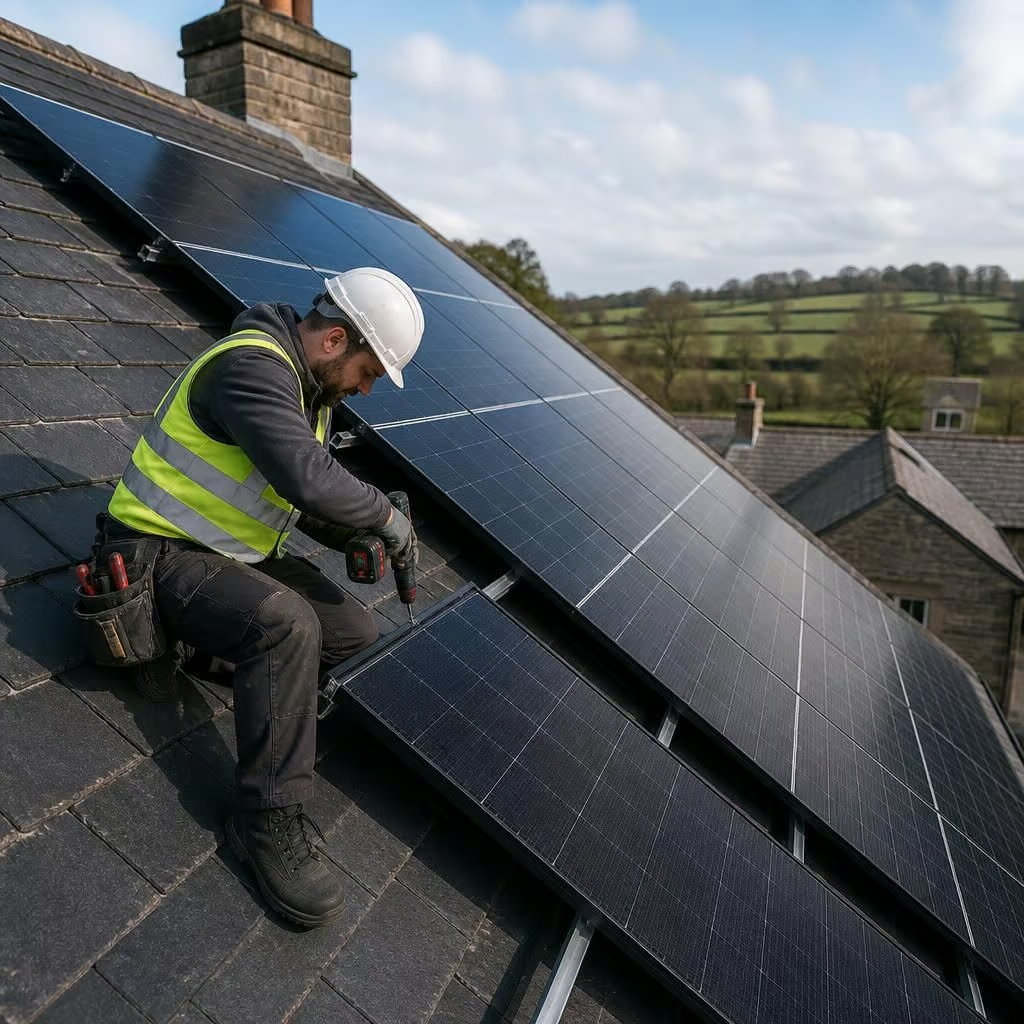
How long does solar panel installation take?
Solar panel installation itself is often completed in a single visit, but the full process takes longer because we first survey the property, arrange scaffolding and complete any required grid paperwork. Roof access, panel layout, electrical work and the connection process determine the final timescale.
The complete solar project usually takes longer than the physical fitting. The main variables are the survey findings, the design, any permissions or grid approval, roof access and whether battery storage is included. We give you a project timetable once those points are clear, rather than guessing from the panel count alone.
1. Initial survey and discussion
We start by understanding how the property uses electricity and what you want the system to achieve. That might mean using more of your own solar power, preparing for an EV charger or adding battery storage later.
At the property, we inspect the roof covering, roof structure, orientation, shading and cable routes. We also look at the consumer unit, meter position and available space for the inverter and battery. An older house may need more investigation, particularly if it has a solid-wall construction, a barn-conversion roof or a listed-building status.
If the roof needs repairs, access is restricted or the electrical installation needs work first, we explain that before the design is finalised. This prevents a fitting date being set before the property is ready.
2. System design and quotation
We use the survey information to set out the panel arrangement, inverter position, cable route and any battery storage. The design needs to work with the roof and electrical system, not just fit the largest possible number of panels.
A battery can add design and installation work because we need to consider its location, ventilation, isolation, cable route and connection to the rest of the system. If you are considering storage but not installing it immediately, we can take that future use into account where the existing system allows.
You receive a written quotation before work starts. It sets out the proposed equipment and the work included, so changes caused by the survey are dealt with before a date is agreed.
3. Permissions and grid arrangements
Some installations need additional checks before they can go ahead. These may relate to the local planning position, the property’s listed status or the connection to the electricity grid.
Where the distribution network operator requires an application or approval, that becomes part of the timetable. The wait is outside the fitting work itself and can vary according to the network’s requirements. We identify this early and explain what it means for the proposed date.
MCS certification also matters if you want to apply for a Boiler Upgrade Scheme grant for a heat pump or make the installation eligible for the Smart Export Guarantee. For a solar installation, we provide the relevant certification and commissioning information needed for the system’s next steps.
4. Preparing for the installation
Before the engineers arrive, we confirm access, the equipment location and any work needed to protect floors or furnishings. Scaffolding or other roof access equipment may be required, depending on the roof and its height.
Roof repairs, difficult access and fragile coverings can extend the preparation stage. Bad weather can also affect work at roof level. We do not treat a safe roof installation as a job that should be rushed to meet an arbitrary date.
5. What happens during the fitting
The team installs the mounting system, fixes the panels, runs the cables and connects the inverter. If storage is part of the design, the battery is installed and connected at the same stage where practical.
Most of the work takes place at the roof, loft and equipment locations. We protect the areas used for access, keep cable routes as tidy as possible and explain any unavoidable changes to the fabric of the property before making them.
The final connection depends on the condition of the consumer unit and the space available for the necessary protective equipment. If the existing electrical system needs an upgrade, that can add work to the installation and should be allowed for in the programme.
6. Testing, handover and export arrangements
Once the panels and equipment are connected, we test the system, check the protective devices and confirm that the inverter and battery are operating correctly. We then explain the controls, monitoring information and practical steps for using the system.
The handover paperwork records the installed system and its test results. If you intend to export electricity, you may also need to complete the relevant process with your energy supplier. The timing of that part depends on the supplier and the information they request.
What can make the project take longer?
- A roof that needs repair or has an unusual structure.
- Planning considerations for a listed or sensitive property.
- Scaffolding, restricted access or a long cable route.
- An older consumer unit or electrical installation needing remedial work.
- Battery storage requiring a different equipment location or additional protection.
- Grid approval or changes requested by the distribution network operator.
- Weather that makes roof work unsafe.
The clearest estimate comes after the survey and design. At that point, we can separate the work we control from approvals, roof preparation and other factors that may change the date. Your quotation and installation plan will then reflect the actual property, access arrangements and equipment selected.
When comparing installation times, check what each quotation includes. A fitting date may not cover roof preparation, electrical upgrades, grid approval or the final export process.
We set out these stages separately, so you can see which parts are planned and which depend on another organisation or on work at the property.