
How do I know whether my solar inverter is still safe to use?
Your solar inverter is generally safe to use if it is operating normally, with no damage, burning smell, unusual noise, overheating, water ingress or persistent fault warning. If you notice any of these signs, follow the system’s shutdown instructions if it is safe to do so, don’t remove the cover, and call a qualified solar electrician.
A solar inverter is generally suitable to keep in service only when it is operating normally, the enclosure and cabling are intact, and no fault condition has been identified. A working display or app does not prove that the equipment is safe. An internal electrical fault can leave the inverter producing power while a separate part is overheating or failing.
Start with the inverter’s operating status. A brief shutdown during a power cut, grid interruption or very low light is not necessarily a safety problem. Many inverters stop exporting when the mains supply is outside its permitted limits. They should restart once the supply returns to normal, without repeated manual intervention. A persistent fault message, unexplained shutdown or repeated restart needs investigation rather than continued resetting.
Performance can also help identify a developing problem. If the system suddenly produces much less electricity than expected, compare the inverter display with the monitoring app and recent weather conditions. Poor output alone does not confirm an unsafe inverter; shading, soiling, a tripped circuit or a panel fault can cause the same result. It does, however, justify a proper check when the change is sudden or continues in suitable daylight.
Look, listen and smell without touching the equipment. From a safe distance, check whether the casing has changed shape, whether the display behaves erratically or whether the surrounding wall shows signs of damp. Listen for a new pattern of clicking, loud vibration or persistent fan noise. These observations help an electrician distinguish a cooling problem, a control fault, a supply issue or damage around the installation.
Do not remove the inverter cover, test terminals or disconnect solar cables. Solar panels can continue to produce DC electricity in daylight, even when the inverter display is blank. Some systems also include a battery, backup circuit or more than one isolation point, so switching off one control does not necessarily make every part dead.
The installation environment matters as much as the inverter. An inverter in a loft, utility room, garage or outbuilding needs suitable ventilation and protection from condensation. Stored items should not block air movement around the casing. Water from a leaking roof, pipe or wall can reach electrical equipment before it becomes obvious from inside the room. If the inverter has been exposed to damp, stop using the affected area and arrange an inspection rather than drying or cleaning it yourself.
Age is not a safety verdict on its own. An older inverter may continue to work correctly, while a newer unit can develop a fault. The installation records, previous fault history, monitoring data and condition of the isolators give a more useful picture. We can inspect the equipment, check the AC and DC sides, test protective devices and examine connections without treating a software message as the whole diagnosis.
Some fault codes allow a controlled inspection; others require isolation. The code, model, time it appeared and what the system was doing at the time are useful details to record. A photograph of the display can help, provided you do not approach equipment that is hot, wet, damaged or making unusual noises. We use that information alongside electrical test results to decide whether the inverter can remain in service, needs monitoring, or should be isolated until repair or replacement.
If an inverter is connected to a battery, tell us about the battery before any work begins. Hybrid systems have additional stored energy and may continue supplying selected circuits after the mains or solar generation has been isolated. The shutdown procedure depends on the equipment and the way the system was installed. Do not assume that turning off the household consumer unit has made the whole system safe.
A qualified solar electrician should assess the system when the cause of a fault is unclear, when protection has operated more than once, or when the inverter has stopped communicating with the monitoring system for no obvious reason. We record the condition of the inverter, isolators, cabling and surrounding surfaces, then explain whether the sensible next step is repair, replacement or further testing. If the system is MCS-certified, that installation background also helps us assess the equipment against the original design and documentation.
Until advice is available, keep people away from equipment that appears damaged or affected by water. Do not store combustible materials against it, and do not attempt a repair based only on an online reset guide. The safest decision depends on the actual fault and the condition of the installation, not simply on whether the panels are still generating electricity.
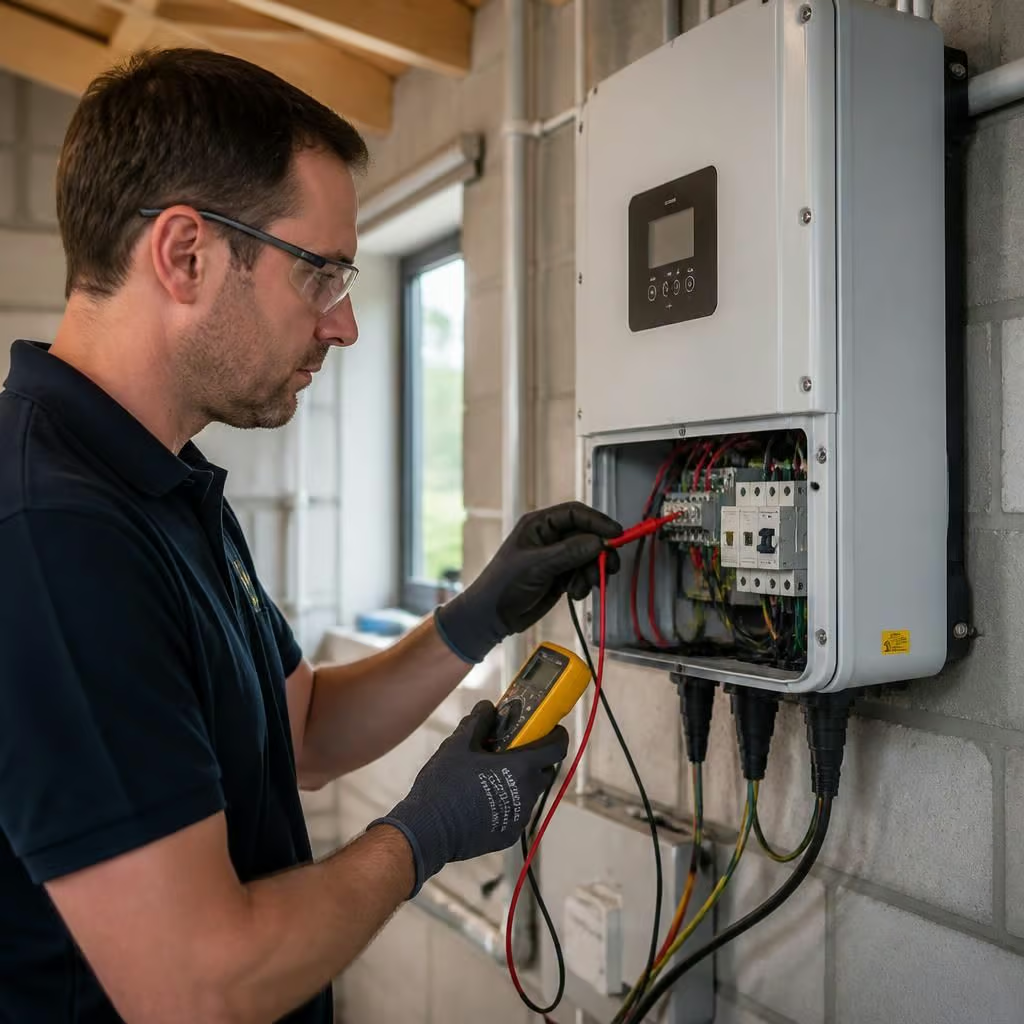
A normal display does not rule out a problem at the inverter’s connections or isolation equipment. If the system has recently been altered, exposed to impact, or affected by a power surge, arrange an inspection before relying on it again.
We check the inverter and its accessible connections for heat damage, loose terminations, moisture and signs of stress. That gives you a clear decision: continue using the system, monitor it, or leave it isolated until the fault is repaired.