How long does a home energy storage installation take?
A home energy storage installation has no fixed timescale: the survey, system design, equipment location, access and any consumer unit or cabling changes all affect the work. We confirm the expected installation time in the written quotation, then test and commission the battery before explaining how to use it.
For a straightforward home battery project, the fitting itself may take part of a day or a planned working day. The complete process takes longer because we must assess the property, confirm the design, arrange the equipment and complete the required electrical checks. A more involved installation can take longer if the consumer unit needs upgrading, cable routes are difficult or the battery location needs preparation.
The first stage is working out what the battery needs to do. Your electricity use, existing solar generation, meter arrangement and likely charging pattern all affect the design. A battery intended mainly to store surplus solar may be configured differently from one intended to charge from the grid and support evening demand.
We also look at where the equipment can safely go. A suitable location needs enough space, suitable ventilation and a practical route for the cables. The distance between the battery, inverter, consumer unit and meter can affect the amount of installation work. We discuss these points before finalising the quotation, so the planned work reflects the actual property rather than an assumed layout.
Once the design is agreed, the project may need technical approval before fitting. Grid-connected systems can require notification or approval through the distribution network operator. The position of the meter, the system capacity and the way the battery will operate determine what is needed. This administrative stage can add to the calendar time even though it does not add installation work inside your home.
Equipment delivery also affects the date. We arrange the battery, inverter and protection equipment to match the agreed design. If an essential component is delayed or the available equipment changes, we confirm the position before attending rather than fitting an incomplete system.
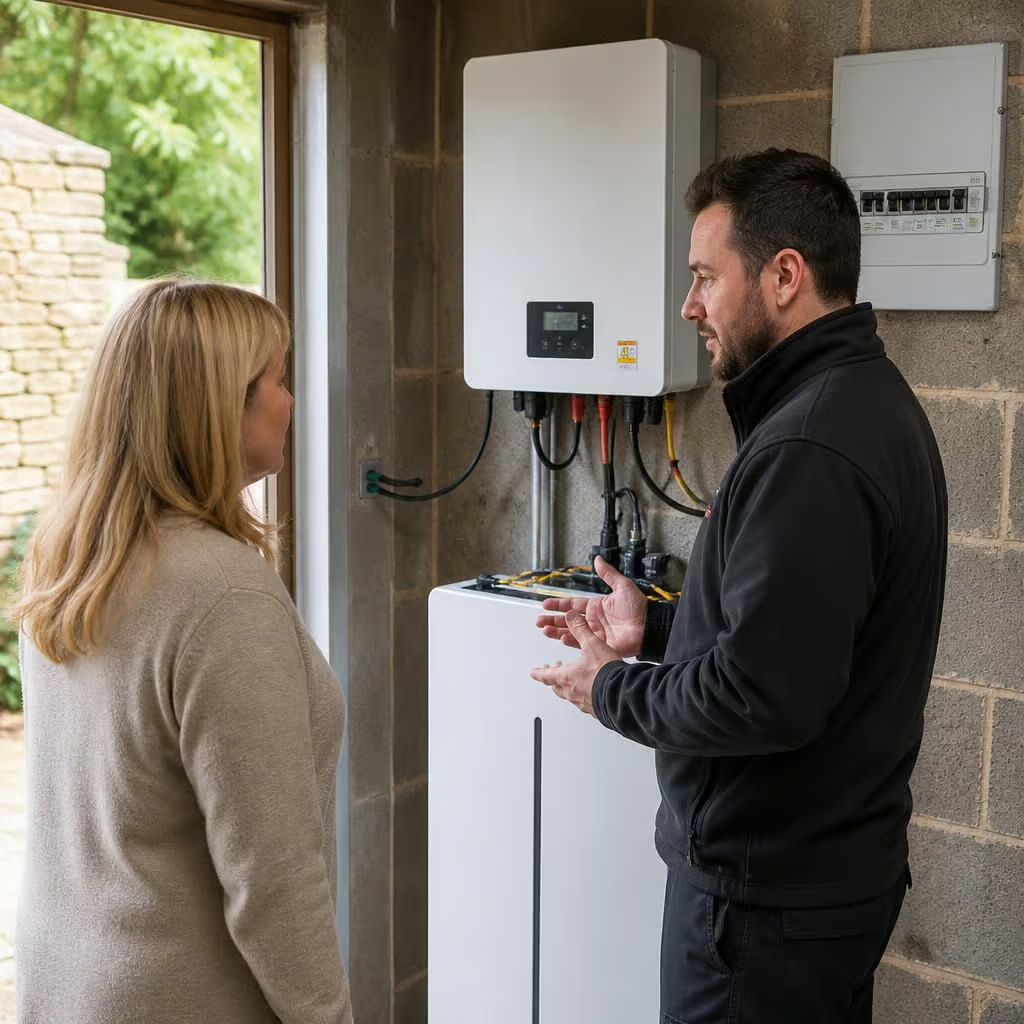
On the installation day, we begin by making the work area safe and checking the existing electrical equipment. We install the battery and associated equipment, run and protect the cabling, connect the system to the electrical installation and fit any required isolation or protective devices. Some systems use a wall-mounted battery, while others need a suitable floor position. The available space and the construction of the building influence how much preparation is involved.
Your electricity supply may need to be switched off during part of the work. We explain when this will happen, and we keep the interruption limited to the work that needs the installation isolated. Drilling, cable installation and equipment handling can create some noise and dust, particularly where cables pass through solid walls or between floors. We protect working areas and clear away the installation materials when the work is complete.
Existing electrical work is one of the main reasons timings change. An older consumer unit, inadequate earthing, restricted cable access or limited space for protection equipment may need attention before the battery can be connected. We raise this with you before carrying out additional work. The quotation sets out what is included, so the installation does not turn into an unexpected series of charges.
Older and rural properties can need more careful planning. Solid walls, barn-conversion layouts, listed-building restrictions and outbuildings can all affect the cable route or equipment position. An off-grid property may also need a different assessment from a standard grid-connected home. We take those physical and electrical details into account when deciding how long the work should take.
Commissioning is part of the installation, not an optional final check. We test the connections, protective devices and battery operation before handing the system over. We check that it communicates correctly with the inverter or monitoring platform and explain the controls, charging settings and isolation points. You should know what the system is doing, how to read its information and what to do if an alert appears.
The paperwork follows the technical checks. Depending on the installation, this can include electrical test results, operating information, commissioning records and the relevant grid notification. MCS-certified installation is also important where the system is being considered alongside solar generation and export payments. It allows us to make a Boiler Upgrade Scheme grant application for eligible heat pump work and supports eligibility for the Smart Export Guarantee where the installation meets the scheme requirements.
A battery-only installation is usually less disruptive than adding solar panels at the same time. Adding panels may introduce roof access, scaffolding, additional cable routes and more commissioning work. Combining the projects can reduce duplicated design and electrical work, but it can also make the overall programme longer than fitting a battery to an existing solar installation.
The most useful timescale is therefore split into two parts: the calendar time from agreeing the project to the installation date, and the time spent working in your home. We give you the planned fitting duration once we have checked the equipment, access, electrical installation and any approval requirements. If the survey identifies work that changes the scope, we explain the effect before proceeding.
Before choosing an installer, ask what is included in the stated timescale. It should be clear whether the figure covers the survey, design, equipment supply, electrical alterations, grid paperwork, commissioning and handover. Our quotation is provided before work starts, with the included work set out clearly. That gives you a realistic project plan rather than a fitting time that leaves the preparation and certification unexplained.
The installation date is easier to plan when we have the information needed to finalise the design. Before the survey, gather recent electricity bills, details of any existing solar equipment and correspondence about the electricity connection.
It also helps to think about where the battery could go. Keep access to the proposed area clear, and tell us about any restrictions on drilling, shared access or protected parts of the building. We can then resolve practical questions before equipment is ordered, rather than losing time on the fitting day.