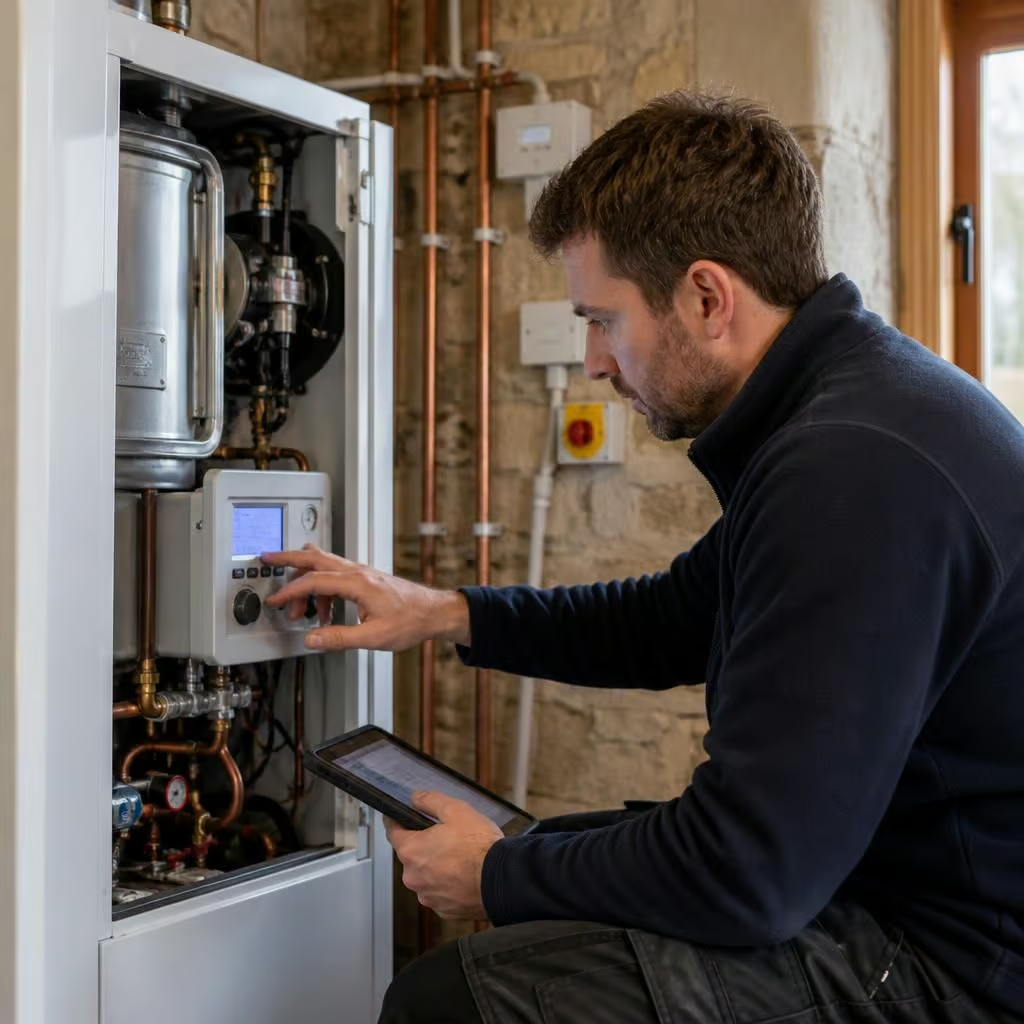
Can heat pump troubleshooters diagnose faults in older homes?
Yes. Older homes can be diagnosed accurately, even when faults involve radiator sizing, insulation, controls, pipework or the heat pump itself. We test the system in context, identify the cause rather than just the symptom, and explain practical repair options.
Yes. An older property can be diagnosed properly, even when the fault appears to involve several parts of the heating system. We separate a genuine equipment fault from a system that is working but poorly matched to the building.
An older home often has higher heat loss, larger rooms and radiators designed for a gas or oil boiler. That does not automatically make it unsuitable for a heat pump. It does mean the fault-finding needs to include the emitters, pipework, controls and building performance, not just the outdoor unit.
We start with what the system is doing. A house that stays cold, takes too long to warm up or uses more electricity than expected may not have a failed heat pump. The cause could be an incorrect heating curve, restricted water flow, air in the system, a thermostat location problem or radiators that cannot release enough heat at the selected flow temperature.
When the unit stops, displays a fault code or repeatedly switches off, we check the code against the actual operating conditions. A reset can clear the message without fixing the cause, so we look for the reason it occurred. We check temperatures, system pressure, pump operation, valves, filters, sensors, electrical supplies and the control settings.
- A low flow rate can point to a dirty filter, a closed valve, air in the system or pipework that restricts circulation.
- A large difference between flow and return temperatures can indicate poor circulation or insufficient heat transfer through the radiators.
- Repeated defrost problems may relate to airflow, weather conditions, drainage or the installation around the outdoor unit.
- A sensor fault can produce inaccurate readings and cause the system to stop, run inefficiently or heat the property unevenly.
- Unresponsive heating zones may be caused by wiring, thermostats, motorised valves or controls rather than the heat pump itself.
The house itself forms part of the diagnosis. Solid walls, exposed rooms, high ceilings, older windows and extensions can all affect how quickly heat is lost. We compare the room temperatures with the system’s settings and output. This helps show whether the equipment is failing or simply being asked to heat a room with too little radiator capacity.
Radiator sizing matters particularly in older homes. A heat pump usually works at a lower flow temperature than an oil or gas boiler. A radiator that was adequate with a hot boiler may not release enough heat at the lower temperature. We can identify rooms where larger radiators, altered pipework or improved balancing may be needed. That is different from replacing the complete heat pump system.
Pipework can also explain symptoms that look like a unit fault. Narrow or poorly arranged pipes may limit flow, while old sludge or debris can restrict heat exchangers and filters. We inspect accessible pipework and components, then explain which work is necessary and which improvements are optional.
Some faults are electrical, not hydraulic. We test the supply, protective devices, isolators, wiring and connections that serve the heat pump and its controls. If the outdoor unit has power but the indoor controls do not respond, the fault may be in the control circuit. If a breaker trips repeatedly, we investigate the cause rather than repeatedly resetting it.
Older properties can have electrical installations that have changed several times over the years. An extension, converted outbuilding or previous heating upgrade may have introduced a separate issue. We record any work that affects safe operation and explain what needs attention before the heating system can run reliably.
After testing, we explain the practical choice. A minor repair may involve replacing a sensor, clearing a restriction, correcting a control setting or repairing a valve. A system adjustment may involve balancing radiators, changing the weather compensation settings or improving circulation. If the heat pump is sound but the property needs more output, we identify the relevant radiator or pipework changes.
Replacement is considered only when the equipment has a major failed component, cannot be repaired economically or is fundamentally unsuitable for the property. Even then, we look at the heat loss, emitter sizes, electrical supply and controls before recommending another system. That avoids fitting new equipment around the same underlying problem.
For a rural or off-gas-grid home, this assessment can also clarify whether the heat pump can replace oil or LPG heating without leaving cold rooms or unreliable hot water. We can explain the changes needed to the heating circuit and controls in plain terms, so the decision rests on the condition of the property as well as the condition of the heat pump.
You receive a clear account of the fault, the tests carried out and the work we recommend. If a repair is practical, we can quote for that work. If the issue points to a wider upgrade, we explain why before any further work starts.
Older homes often have heating controls added in stages, so a fault may only appear when two parts of the system operate together. A heating zone can stop responding while hot water still works, or the system can heat downstairs but not an extension.
We trace the sequence from the control setting to the component that should respond, using the system information and any available commissioning records. This helps us identify a failed control, a wiring problem or an incorrect setting without replacing parts that are still working.
You’re left with a clear explanation of what caused the symptom, which repair is needed and whether any wider alteration would prevent it returning.