
When is a CP12 gas safety certificate required?
A landlord must arrange a gas safety check every 12 months for each rented property with landlord-provided gas appliances or flues, and keep the resulting CP12 record. The certificate must be given to existing tenants within 28 days of the check and to new tenants before they move in.
A CP12 is required when a landlord provides gas appliances, gas pipework or associated flues in rented residential accommodation. The document is officially called a Landlord Gas Safety Record, although most people still call it a CP12.
The duty applies to privately rented homes, flats, houses in multiple occupation and rooms let within a landlord’s own property. It can also apply to accommodation provided for short-term or holiday lets, depending on how the property is occupied and the relevant duties. A landlord cannot transfer this responsibility to a tenant through the tenancy agreement.
A CP12 is normally needed where the property has:
- a gas boiler or central heating appliance;
- a gas fire, cooker, hob or water heater supplied by the landlord;
- gas pipework or flues serving appliances in the property; or
- an LPG appliance or installation, including at an off-gas-grid property.
A property with only oil, electric or solid-fuel heating does not need a CP12 for those systems. An oil boiler still needs the appropriate servicing and safety arrangements, but that is not recorded on a gas safety certificate.
The duty can still apply when a property is empty. A void period does not make an unsafe gas installation acceptable. The landlord remains responsible for appliances and installation parts under their control, and the property must have the required checks before it is occupied again.
Tenant-owned appliances need careful distinction. A landlord is not generally responsible for an appliance brought in and owned by the tenant. However, gas pipework, chimneys, flues and appliances supplied by the landlord remain within the landlord’s responsibilities. Where ownership or responsibility is unclear, we can identify what forms part of the rented installation before the record is prepared.
Only a Gas Safe registered engineer with the relevant competence can carry out the inspection and issue the record. Gas work is not made lawful by holding a general plumbing qualification. Our Gas Safe engineers check the appliances and connected installation within the scope of the landlord’s duty, then record any safety issue and the action needed.
A CP12 is not the same as:
- a boiler service, although the two can often be arranged during the same visit;
- an installation or commissioning certificate for a newly fitted appliance;
- an electrical installation condition report; or
- a general statement that every part of the property is safe.
A boiler service focuses on the appliance’s condition and performance. A CP12 records the outcome of the gas safety inspection required for the rented property. After a new boiler or other gas appliance is installed, the installer must also complete the appropriate commissioning and installation paperwork. That paperwork does not remove the landlord’s ongoing gas safety duty.
The inspection date can be brought forward within the permitted period before the existing due date. When this is handled correctly, the next due date remains aligned with the original schedule rather than moving earlier every year. This helps landlords arrange access without gradually shortening the inspection cycle.
For a property with several gas appliances, the record should identify the appliances and flues included in the inspection. If an appliance cannot be tested safely, the engineer must explain why and record the restriction or defect. A certificate should not be treated as a pass for equipment that was not inspected.
If a defect is found, the result may be recorded with a recommendation, warning or unsafe classification, depending on the risk. The landlord may need remedial work before the appliance can be used. A CP12 is not a way to overlook a fault, and signing a record does not make defective equipment safe.
Commercial premises have separate gas safety duties and may need different inspection, maintenance and compliance records. A CP12 is mainly the term used for rented residential accommodation. Landlords of shops, offices, workshops, farms and other commercial buildings should confirm the correct requirements for the premises rather than relying on a residential certificate.
If a rented property has gas heating or appliances and the responsibility is uncertain, we can establish which equipment falls within the landlord’s duty and explain what records are needed. Our Gas Safe engineers can then carry out the relevant inspection and identify any work required to bring the installation back into safe use.
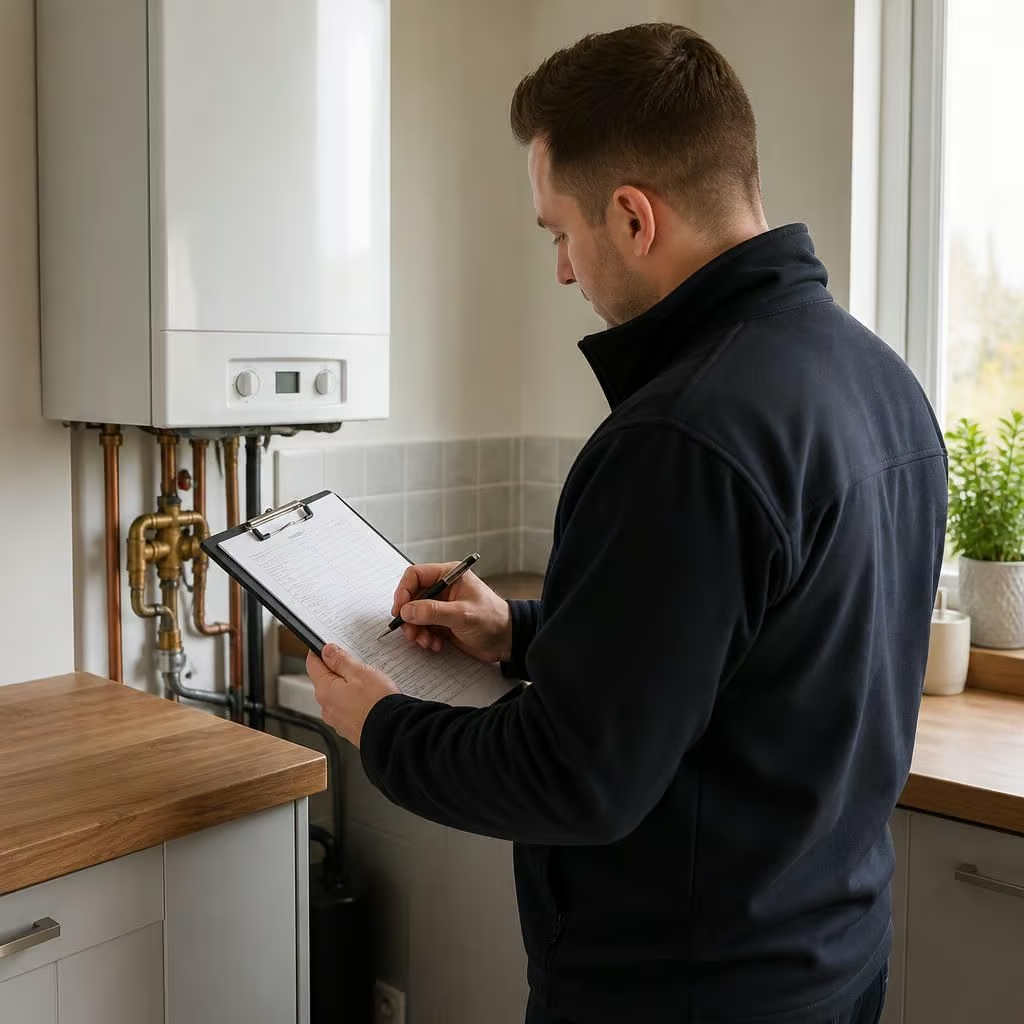
A CP12 is tied to the gas installation the landlord provides, not simply to the fact that a property is rented. If the home has no gas appliances, gas pipework or associated flues under the landlord’s control, a CP12 is not the relevant certificate.
The record also matters if a safety authority asks to see it. Keep the completed document with the property’s compliance records, alongside any evidence of remedial work. If the inspection identifies a defect, arrange the required repair and keep the follow-up paperwork with the record.