Do ground source heat pumps need planning permission?
In England, a ground source heat pump usually falls under permitted development, so planning permission isn’t normally needed if it meets the relevant limits and conditions. Listed buildings, conservation areas and other protected sites can require additional approval, so we check the property and confirm the position before work begins.
For a home in England, the planning position depends on the property and the collector design. A standard domestic system can use permitted development rights, but those rights have conditions that the installation must meet.
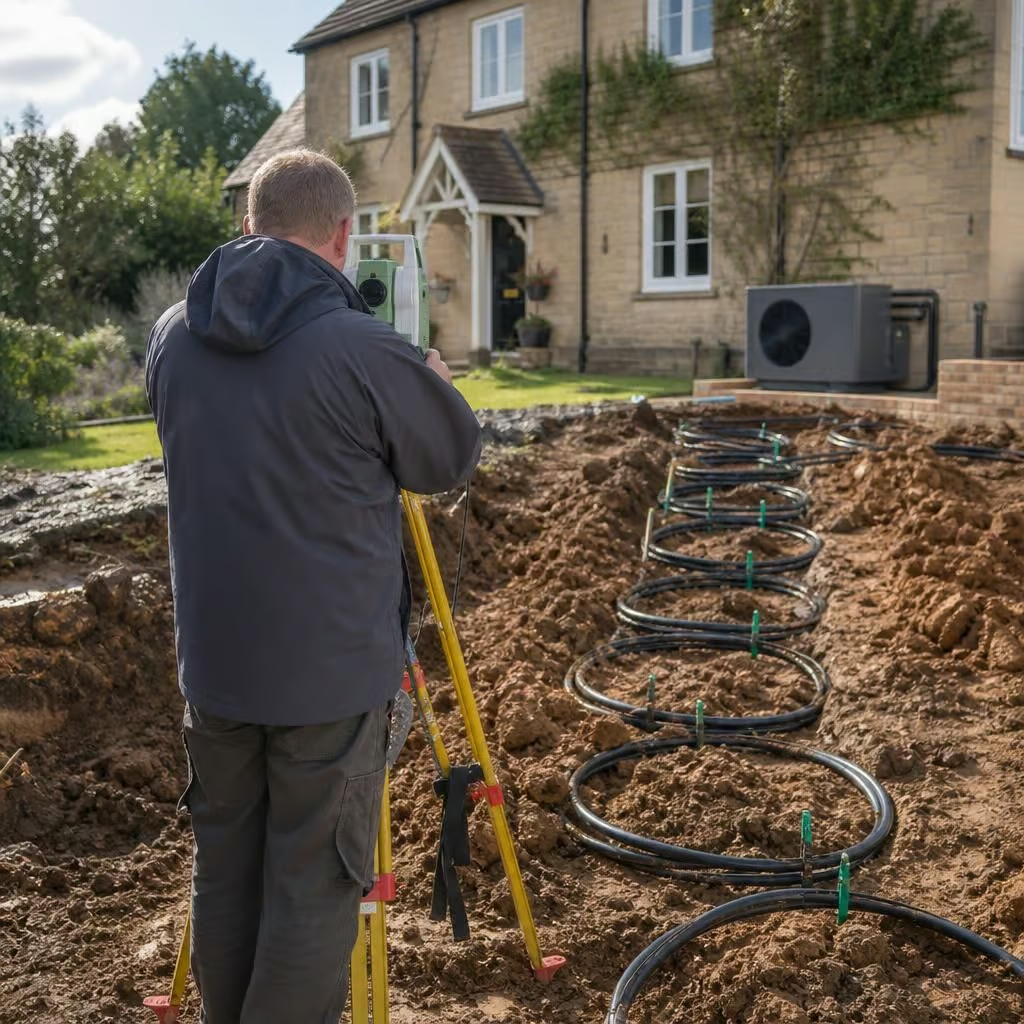
The ground array matters as much as the heat pump. A horizontal collector needs trenches, spoil storage and access for excavation. A borehole system needs drilling equipment, suitable spacing and a clear record of where the boreholes sit. We include these details in the site plan so the planning position is based on the actual installation rather than a generic system.
Permitted development conditions can cover the number of heat pumps at the property, the position of the equipment and the effect on the surrounding area. The relevant MCS planning standards also apply. Your installation may therefore need a different route if the collector layout, property status or site constraints prevent those conditions from being met.
A local planning authority can confirm the position before work starts. Some homeowners also apply for a Lawful Development Certificate. This is not planning permission, but it gives written confirmation that the proposed work falls within permitted development rights. It can be useful when you sell the property or when a solicitor asks for evidence of compliance.
Listed building consent is separate from planning permission. The same applies to consent for a scheduled monument or other protected feature. A permitted development right cannot override those controls. Tree roots, archaeological remains, shared access and the position of underground services can also affect where we place the collector.
Ground source heat pumps can involve more than planning controls. Your property may also need:
- Building Regulations compliance for the heating, electrical and structural work.
- Permission from a landlord, management company or mortgage lender.
- Approval for work that crosses shared or adopted land.
- An environmental check or permit where drilling or groundwater could affect a water-bearing layer.
- Separate approval for a new plant room, external structure or substantial changes to the building.
These requirements vary with the system and the site. A closed-loop ground array usually has a different environmental position from an open-loop system that takes water from the ground and returns it elsewhere.
During the survey, we assess the proposed collector route, drilling or trenching method, access for machinery, drainage, trees, services and the position of the indoor equipment. We then explain which approvals apply and who needs to make each application. If the design needs formal planning permission, we prepare the technical information needed for the submission rather than treating the heat pump as a standard boiler replacement.
For a rural or older home, the planning decision is only one part of suitability. The available ground area, the condition of the existing heating system and the work needed inside the house can matter more to the final design. We use the survey to identify those issues before you commit to an installation.
Permitted development usually covers the heat pump installation at a domestic property, but it does not give permission to use land you do not own. If the collector crosses a shared drive, rented field or neighbouring land, we identify the landowner and access arrangements before the design is finalised.
Keep the final drawings, planning correspondence and any certificates with the property records. They show what was installed and help answer questions from a future buyer, solicitor or lender.