
Will I lose heating during an oil or LPG boiler installation?
Yes, your heating and hot water will usually be off for part of the installation while we isolate, remove and connect the boiler. We plan the work carefully to keep the interruption as short as practical and explain what to expect before we start.
The radiators and boiler-heated hot water will be unavailable during the changeover, but not before the installation begins. The length of the interruption depends on the work involved. A straightforward replacement usually causes less disruption than moving the boiler, changing the flue route or altering the cylinder, pipework or controls.
Before the work starts, we check the existing boiler position, flue, fuel supply, condensate route, controls and heating circuit. On an oil-fired system, that includes the oil line and its connection to the boiler. On an LPG system, we check the appliance connection and the arrangement serving it. This helps us identify work that could extend the installation before the old boiler is removed.
Your radiators and pipework may be suitable for the replacement boiler, but older systems can contain sludge, worn valves or sections of pipework that need attention. If the boiler is being relocated, we may also need to alter the flue, condensate pipe, fuel pipe or electrical supply. Each change adds work and can affect how long the heating remains off.
On installation day, we isolate the fuel and electrical supplies before disconnecting the old boiler. We drain the parts of the heating circuit that need to be opened, remove the old appliance and connect the replacement. The system is then refilled and checked for leaks. We do not leave the boiler disconnected while waiting for a later visit unless the agreed work requires it.
Once the new boiler is connected, we commission it properly rather than treating the first successful ignition as the end of the job. We check the burner, flue, controls, safety devices, heating flow and hot water operation. We also check that the radiators heat correctly and explain the controls before leaving.
Oil and LPG installations need slightly different checks. Oil-fired work is covered by our OFTEC-registered engineers, while LPG appliances must be handled by Gas Safe registered engineers with the relevant competence. These checks confirm that the appliance is connected and operating safely, not simply that it produces heat.
If the property is older or off the gas grid, the boiler may connect to equipment that has been in place for many years. An ageing oil tank, LPG supply, flue or heating circuit can affect the planned work. We raise those points during the survey so the quotation reflects the installation rather than only the boiler itself.
Cold weather makes planning more important, particularly if the home has limited alternative heating. Tell us about any occupants who may be especially affected, and we can take that into account when arranging the work. An independent stove or electric heater may still be usable if it is separate from the boiler system, but it must be operated safely and will not keep the radiators running.
If we uncover a problem after the old boiler is removed, we explain what we have found and why it matters. We provide a written quotation before additional work starts, so you can decide whether to proceed rather than facing an unexplained charge at the end.
At the handover, you should have a working, tested boiler and a clear explanation of its controls. We leave the work area tidy and the system ready for normal use, with the installation paperwork provided for your records.
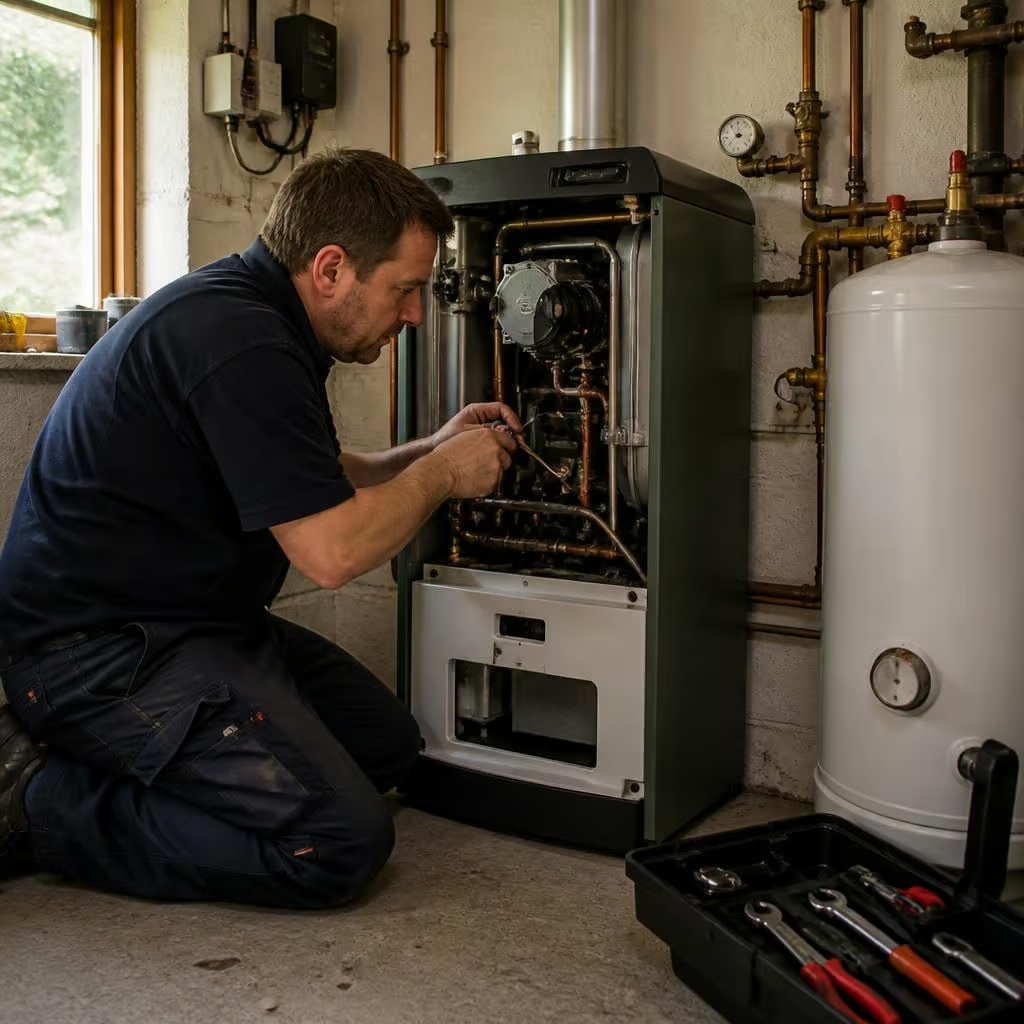
If your hot water cylinder has an immersion heater, it may still provide hot water while the boiler is disconnected. We check how it is wired and explain whether it can be used during the installation.
Any separate electric heater can help with room temperature, but it will not heat the radiators. We’ll explain what can remain in use before work starts, so you can plan for the temporary interruption.