
How disruptive is a gas, oil or LPG boiler installation?
A gas, oil or LPG boiler installation is usually a contained job, but disruption depends on the boiler’s location and whether pipework, flueing or controls need changing. We protect floors and work areas, isolate the old system, remove it carefully, then test the new installation before leaving.
A boiler installation is usually manageable, but the disruption depends on more than removing the old boiler. The position of the new appliance, the condition of the existing pipework, the flue route and the fuel system all affect what happens in your home.
Before we recommend an installation, we look at how the boiler connects to the rest of the heating system. That includes the radiators, hot water cylinder, controls, condensate drain and electrical supply. This survey helps us identify work that can be completed from the existing connections and work that needs access elsewhere in the property.
A like-for-like gas replacement normally involves the boiler location, nearby pipework and the flue. The heating system needs to be drained, disconnected and refilled. We also test the system afterwards, check for leaks and balance the heating where necessary. You should expect some periods without heating or hot water while these connections are changed.
A new gas boiler may need a different flue position or a new condensate route. If the flue passes through a wall, we may need to work outside as well as inside. Condensate pipework may run to a waste connection, so the route can involve a kitchen unit, utility area or external wall. We explain these options before work starts rather than deciding on the day.
Oil boiler replacements can involve more of the heating system because the appliance connects to an oil line, an external flue and, in some properties, a separate oil tank. The tank and oil line need checking for their condition and position. An older installation may also need improvements to ventilation, flueing or fire protection.
That does not always mean major building work. It means the survey must include the whole fuel arrangement, not just the boiler cabinet. Our OFTEC-registered engineers can assess the oil-fired system and explain which changes are necessary for a safe installation.
LPG installations need similar planning around the fuel supply. We check the pipework from the bottles or tank, the appliance position, ventilation and the flue. If the new boiler needs a different connection or the existing LPG pipework is unsuitable, access may be needed between the boiler and the fuel supply.
The boiler position makes a noticeable difference. Replacing a boiler in the same location usually limits the work to an established service area. Moving it to a different wall, room or floor can mean extending heating pipes, rerouting the flue, altering the condensate drain and changing the hot water connections. It can also require cupboard alterations or access beneath floors and behind boxing.
If the boiler is in a loft, airing cupboard or other restricted space, we discuss how engineers and materials will reach it. A replacement may need a suitable platform, improved access or changes to ventilation. These details affect both the installation process and how easy the boiler will be to service later.
Your existing heating system can add work too. Sludge, restricted pipework or old radiator valves may become apparent when the system is drained. We assess the condition of the system and tell you if cleaning, filtration, pipework changes or valve replacement would be sensible. We do not treat every older component as needing replacement, but we will point out anything likely to affect the new boiler.
Controls can usually be changed during the same visit, but the amount of work depends on the existing wiring and the control arrangement. A simple thermostat replacement is different from converting an older system to separate heating and hot water control. We check the wiring before quoting so the control work does not come as an unexpected addition.
There will be normal installation noise. You may hear drilling for fixings, pipework alterations and work around the flue. The level depends on the wall construction and the boiler position. Solid walls, tiled areas and older buildings can need more careful access than a modern utility room.
In a listed building, barn conversion or solid-wall property, we take the construction and appearance into account before choosing routes for pipes, flues and drainage. Older homes often have less accessible voids and non-standard walls. Planning these details in advance can prevent unnecessary opening-up and later repair work.
We agree the practical arrangements with you before the installation. That includes where materials will be stored, which rooms need access, how furniture or appliances should be moved, and when the heating and hot water system can be isolated. If another room contains part of the system, we include that access in the plan.
Once the work is complete, we commission the boiler, check the controls and explain how to use them. Gas appliances are checked and commissioned by Gas Safe-registered engineers. Oil-fired systems are handled by OFTEC-registered engineers. You receive the relevant installation and compliance paperwork for the system installed.
The most useful way to judge disruption is therefore to ask what is changing: the appliance only, the flue, the fuel supply, the pipework, the controls or the boiler position. A written quotation sets out those changes before work begins, so you can compare the practical impact as well as the price.
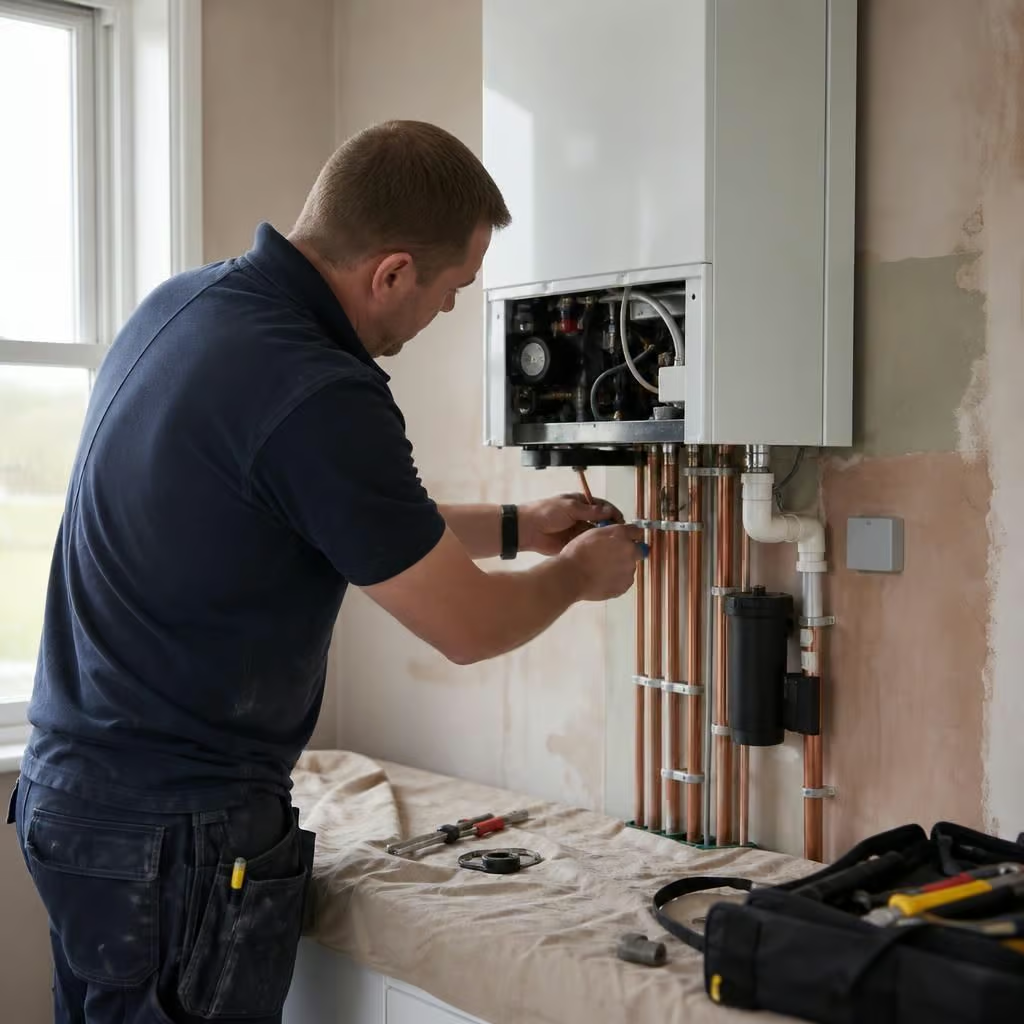
The lasting part of an installation is often the route of the flue, condensate pipe and heating connections. A new route can leave visible pipework, boxing or small changes around cupboards and walls. We explain these before you choose the boiler position, so you can weigh appearance and access alongside the installation work.
That is particularly important in an older home, where solid walls and limited service voids can restrict the available routes. We identify where access is needed and include the practical changes in the quotation, rather than leaving them as surprises during the installation.