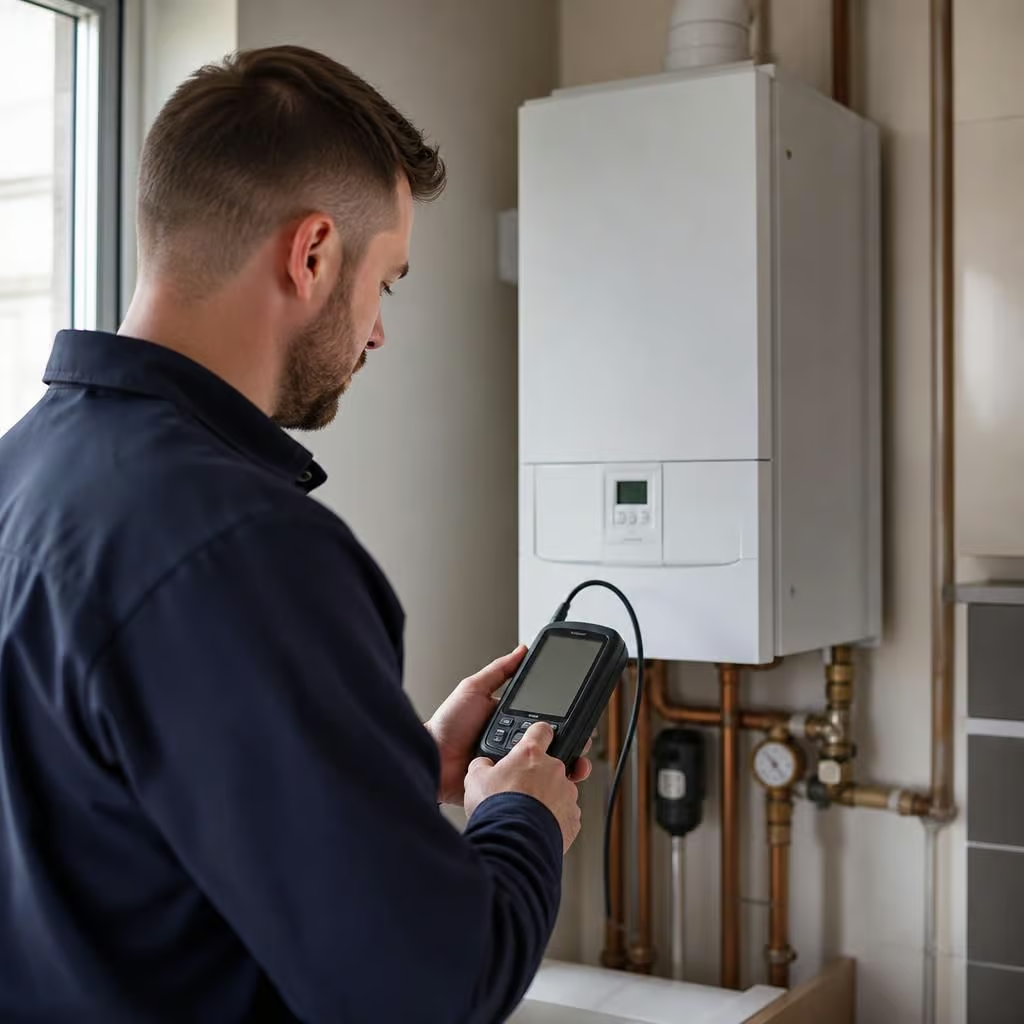
What should I prepare before a gas safety certificate inspection?
Make sure we can access the boiler, gas meter, appliances and visible flues, and tell us about any faults or changes since the last inspection. Keep the previous gas safety certificate and appliance records available if you have them, although we can still inspect the installation without them.
The best preparation is to give us accurate information about the property, its gas appliances and any concerns before we begin. That helps us carry out the inspection safely and record the correct details on the certificate.
Tell us about changes since the last inspection. This includes a replacement boiler, a new gas fire, altered pipework, building work or a change to the flue route. Let us know if an appliance has been disconnected, left unused or is no longer part of the property. An appliance that is not mentioned may still need to be considered when we assess the installation.
Tell us about faults you have noticed, even if the appliance is still working. Unusual smells, staining, soot, yellow flames, repeated shutdowns, condensation around a flue or unusual noises can all help us focus our checks. If a carbon monoxide alarm has sounded, say so before the inspection starts. Do not use an appliance that you believe may be unsafe while you are waiting for it to be checked.
Have the everyday controls available. We may need to operate appliances as part of the inspection. Keep remote controls, timers, thermostats and user instructions nearby where possible. If a boiler or fire has a fault code, note it down rather than resetting it repeatedly before we arrive.
Keep the installation in its normal condition. Do not remove appliance covers, alter gas connections or attempt a repair before the inspection. Only a suitably qualified gas engineer should work on gas appliances and pipework. Cleaning the outside of an appliance is fine, but internal components and flues must not be dismantled by the property owner or tenant.
Make sure the engineer knows about anything that could affect safe testing. This might include building work, restricted ventilation, a loft conversion, a sealed cupboard around an appliance, or a room that has changed use. A gas appliance may need adequate air for combustion, so do not block vents or permanently seal openings before the visit.
If the property is rented, prepare the tenancy details. The landlord, letting agent or property manager should provide the correct property address and the name of the responsible person for the record. The occupier should know which rooms and appliances may need to be checked. Keeping pets secured also helps us work safely and prevents interruptions while appliances are being tested.
For a property with several appliances, make a simple list before the appointment. Include the boiler, gas fire, cooker, hob, water heater and any other fixed gas appliance. Note the room where each one is located and whether it is currently used. This is particularly useful in older homes where an appliance may have been installed before the current owner moved in.
The inspection is not the same as a boiler service. We check whether the gas installation and appliances meet the safety requirements for the inspection, but the certificate does not provide a full assessment of efficiency, condition or future reliability. If you want servicing or repairs considered as well, tell us when arranging the visit so we understand what you need.
If we find a safety concern, we explain what it means and what needs to happen next. We may be able to complete a repair with your agreement, but a gas safety certificate cannot be issued as though the installation were safe when a relevant defect remains. You receive the inspection result and any recommendations in writing, so you know which work is essential and which work is separate maintenance.
Good preparation does not mean correcting or hiding a problem before we arrive. Honest information gives us a more accurate picture of the installation and helps us deal with faults properly, rather than simply recording that an appliance appeared to be working on the day.
If the gas supply has been turned off, let us know before the inspection. We may be unable to carry out every operational check until the supply is restored safely. Don’t turn it back on yourself if it was isolated because of a suspected leak or other danger.
For an empty property, tell us how the supply was isolated and where the shut-off controls are located. That information helps us separate a supply issue from an appliance fault and record any limits on the inspection accurately.