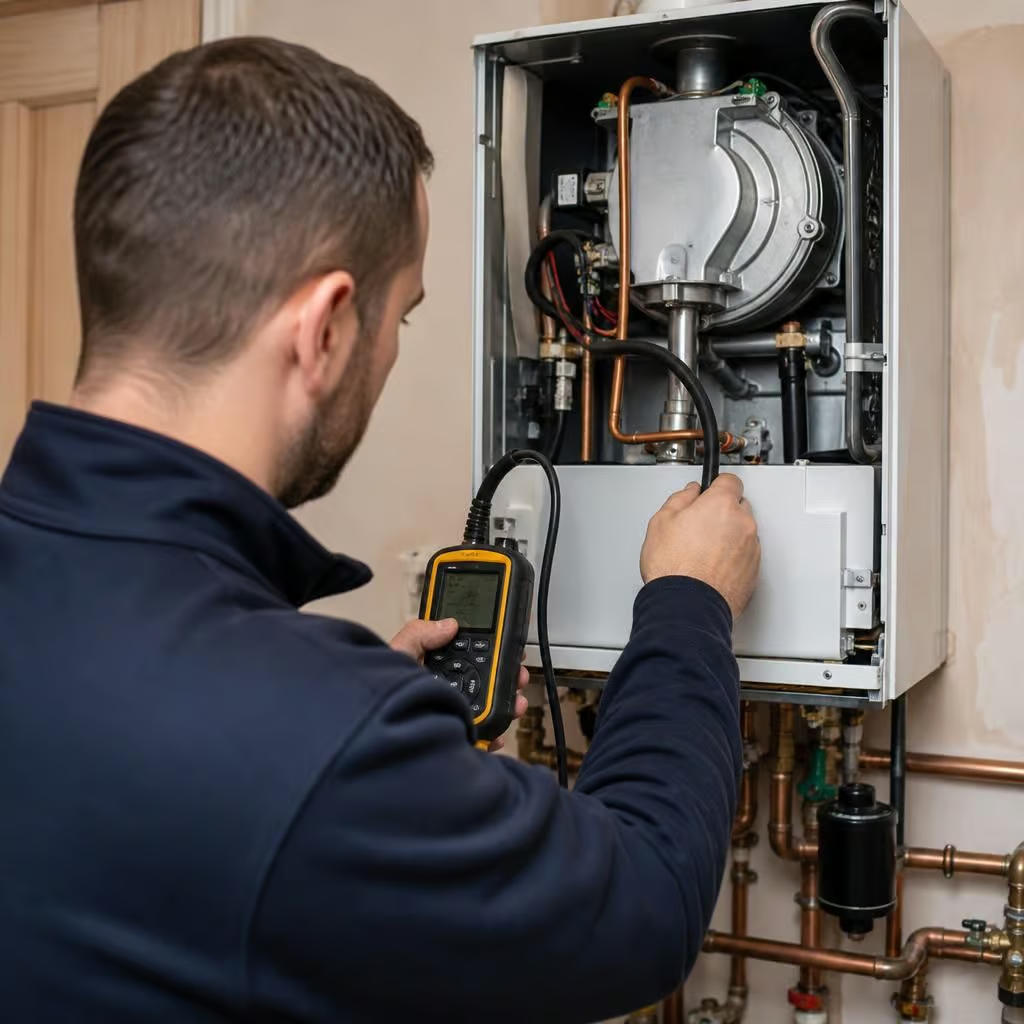
Will gas leak detection confirm whether my appliance is safe to use?
No. Gas leak detection can show that gas is escaping, but it does not by itself confirm that the appliance is safe to use. We must also check the appliance, flue, ventilation and combustion performance before confirming it can remain in service.
A gas leak test gives us information about the gas installation, not a complete safety approval for the appliance. A satisfactory result means we have not found gas escaping under the test conditions. The appliance still needs its own safety checks before it can be considered suitable to use.
Gas can escape from several places, including the appliance connections, flexible hose, isolation valve, meter connection or fixed pipework. A tightness test checks whether the installation holds gas at the required pressure. A gas detector or leak-detection fluid can then help us locate a suspected escape. These tests do not tell us whether the burner is operating correctly or whether combustion products are leaving the property safely.
For the appliance itself, we assess:
- the casing, controls, seals and visible connections;
- the flue route, terminal and joints, including signs of damage or poor installation;
- air vents and other ventilation needed for safe combustion;
- burner operation, ignition and flame stability;
- gas pressure and gas rate while the appliance is operating;
- combustion readings taken with a calibrated flue gas analyser;
- the operation of relevant safety devices and controls; and
- signs of staining, corrosion, overheating, incomplete combustion or carbon monoxide spillage.
These checks matter because an appliance can have no detectable gas leak and still produce dangerous combustion gases. A damaged flue, inadequate ventilation or a fault with the burner can create a risk without causing the gas meter to show a leak.
The surrounding installation matters too. A boiler may be operating correctly, but its flue could terminate in an unsuitable position. An older appliance may also have been installed before current requirements applied. We assess the condition and safety of the installation as it is now, rather than treating the absence of a leak as proof that the original installation remains acceptable.
If we find a dangerous fault, we explain what we have found and what must happen next. Depending on the risk, we may isolate the appliance or gas supply so it cannot be used until the fault is repaired. We record the issue and explain whether the repair involves the appliance, flue, ventilation or pipework. We do not tell you to continue using equipment that has been made unsafe by a leak or other fault.
A repair to the leaking connection may deal with the immediate gas escape, but it may not deal with a separate combustion or flue problem. We therefore reassess the appliance after relevant work, rather than assuming that repairing one fault has made the whole system safe.
Gas Safe registration is the legal requirement for anyone carrying out gas work. It means the engineer is authorised for the relevant type of appliance and work. Our gas engineers use the inspection and testing process to give you a clear outcome: safe to continue using, safe once a specified repair is completed, or unsafe and requiring isolation.
If you can smell gas, hear gas escaping or suspect carbon monoxide, do not use flames or electrical switches. If it is safe, turn off the gas supply, leave the property and contact the appropriate gas emergency service. Do not put the appliance back into use simply because a later leak check shows no escaping gas; it still needs a proper safety assessment.
A satisfactory leak test only describes the installation at the time we test it. It is not a permanent approval for the appliance. Damage to the flue, changes to ventilation or a new operating fault can alter the risk later.
If the appliance passes its safety checks, we explain what we have checked and any limitations that remain. Stop using it and arrange another assessment if you notice staining, unusual smells, unstable flames or signs of carbon monoxide.