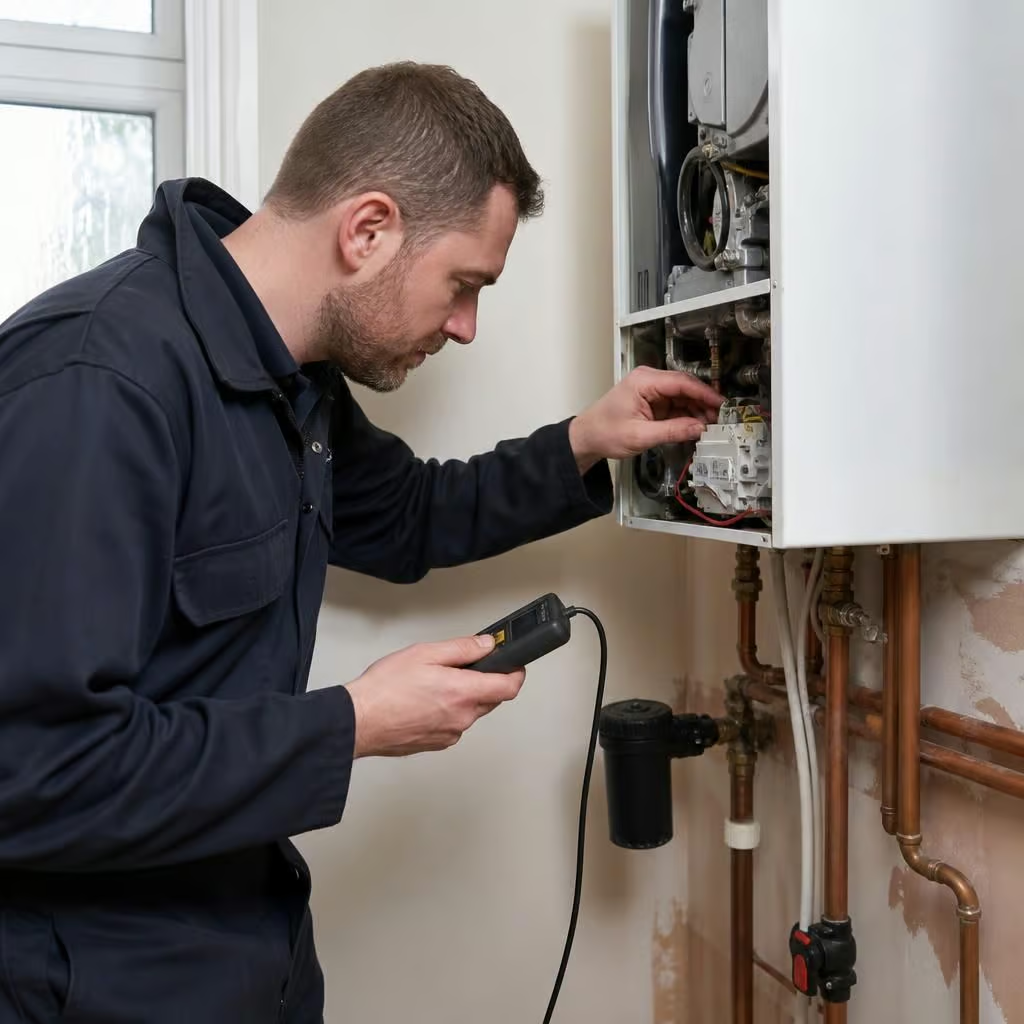
What happens if a gas engineer discovers a dangerous fault?
If a gas engineer finds a dangerous fault, they’ll make the appliance safe by isolating it and explaining that it must not be used. If the fault affects the wider installation, they may shut off the gas supply, explain the repair needed and record the warning before leaving.
A dangerous gas fault means the appliance or installation must not be used until the risk has been removed. We explain what we have found, isolate the unsafe part and tell you what needs to happen next. If the fault affects the gas pipework or more than one appliance, we may need to turn off the gas supply to the property.
What counts as a dangerous fault?
A gas engineer may classify a fault as Immediately Dangerous when continued use could cause gas escape, fire, explosion or carbon monoxide poisoning. Examples include a significant gas leak, a blocked or disconnected flue, combustion products spilling into the room, or an appliance burning gas incorrectly.
An appliance can also be classed as At Risk. This means it may become dangerous if it continues to operate, even if there is no immediate sign of harm. The engineer will explain the category and the reason for it rather than leaving you to guess how serious the problem is.
What happens during the visit?
- We investigate the appliance, flue, ventilation, controls and accessible gas pipework.
- We use appropriate tests to check for gas escapes, unsafe combustion and flue gases.
- We identify whether the fault is limited to one appliance or could affect the wider installation.
- We explain the finding in plain terms, including whether the appliance can be repaired or should be replaced.
The engineer then makes the unsafe appliance safe. This normally means turning it off and preventing it from being used. We may disconnect it, fit a warning label or otherwise isolate the faulty section, depending on the risk and the type of installation.
Can the gas supply be shut off?
Yes. If the installation itself is unsafe, or a gas leak cannot be made safe by isolating one appliance, we may turn off the supply at the emergency control valve. That can leave several appliances without gas, not just the one being inspected.
We explain which appliances are affected and what must be repaired before the supply can be restored. Do not reopen the valve or reconnect an appliance yourself. The installation needs to be checked and tested by a suitably registered gas engineer first.
What paperwork is provided?
Where a dangerous condition is found, the engineer records the defect and the action taken. You should receive a clear explanation of the fault and any warning or defect notice that applies. Keep this paperwork, particularly if the property is rented, being sold or covered by an insurance policy.
For a rented property, tell the landlord or managing agent straight away. They may need to arrange the repair and keep the safety records required for the property. An engineer cannot treat a dangerous appliance as safe simply because the tenant or owner needs heating.
What if the boiler can be repaired?
We first establish the cause rather than replacing parts at random. A repair may involve the gas valve, burner, ignition components, flue, seals, controls or another part of the appliance. We also check related ventilation and pipework where they could have contributed to the fault.
After the repair, we test the appliance again and confirm that it operates safely. If the fault has damaged the boiler, parts are no longer available or the appliance cannot meet safety requirements, replacement may be the more appropriate route. We explain that decision before carrying out additional work.
What if the boiler needs replacing?
A dangerous fault does not automatically mean that the replacement must be chosen on the spot. Once the appliance is isolated, we can assess the flue route, gas supply, condensate discharge, controls and heating demand before preparing a quotation.
We provide the proposed work and cost in writing before starting it. A replacement may involve more than lifting out the old boiler, particularly in an older property. Flue access, ventilation, pipework condition and the position of the condensate connection all need checking so the new installation is safe and suitable.
What should you do if you smell gas?
If you smell gas or suspect a gas escape, avoid naked flames and do not operate electrical switches. If it is safe to do so, open doors and windows, leave the property and call the National Gas Emergency Service on 0800 111 999. If anyone has symptoms such as headache, dizziness, nausea or unusual tiredness, get them into fresh air and seek medical help.
Do not use the appliance again until a qualified engineer has investigated it. A carbon monoxide alarm is useful additional protection, but it does not replace servicing, correct flue installation or proper investigation of a fault.
Gas work must be carried out by someone on the Gas Safe Register. Our Gas Safe engineers can investigate the appliance, explain the risk and carry out the required boiler repair or replacement without treating the warning as a minor issue.
A dangerous fault at one appliance does not automatically mean that every gas appliance in the property must be replaced. We assess the boiler, cooker or fire separately and explain which equipment is affected.
That leaves you with a clear list of what can remain in use, what must stay isolated and what work is needed before the installation is safe again.