
Can you work on older commercial electrical installations?
Yes. We inspect older commercial electrical installations, identify unsafe or outdated parts, and recommend the repairs or upgrades needed to bring the system to a safe, workable standard.
Age alone doesn’t prevent us from working on a commercial electrical installation. We assess what is there, test its safety and capacity, then recommend only the work the building and its use require.
An older installation may still contain sound wiring and equipment. It may also have been extended several times, with different cable types, protective devices and accessories added over the years. We look at the installation as a whole rather than assuming that every older component needs replacing.
During an inspection, we consider:
- the condition of the consumer unit or distribution board
- earthing and bonding arrangements
- the condition of cables, switches, sockets and connection points
- protection against electric shock, including RCD protection where appropriate
- signs of overheating, loose connections, damage or overloading
- the suitability of the supply for machinery, equipment or future alterations
- previous modifications that may not be recorded clearly
Older commercial premises often have a mixture of original circuits and later additions. A board may appear tidy while a fault remains in a concealed connection or an overloaded circuit. Testing helps us distinguish a genuine defect from equipment that is simply older but still suitable.
Some installations were safe when they were installed but no longer provide the level of protection expected today. That doesn’t automatically mean the entire system fails or must be replaced. We explain which observations affect safety, which improvements are recommended and which items can remain in service.
If an EICR is required, we record the condition of the installation at the time of inspection. Where we find a serious defect, we explain the risk in practical terms and identify the work needed to remove it. Where further investigation is needed, we say what cannot yet be confirmed rather than treating an assumption as a fault.
The age and construction of the building can affect the inspection. Areas may be difficult to access, cables may run through later extensions and old records may be incomplete. We record relevant limitations and tell you if opening up, isolating equipment or carrying out additional testing is necessary.
Commercial work also has to fit around the way the premises operate. If a full shutdown is not practical, we can discuss which circuits or areas need to be isolated and whether the work can be planned in stages. We agree the sequence with you before work starts, particularly where refrigeration, machinery, computer equipment, alarms or other essential systems are connected.
A typical recommendation might involve replacing a damaged distribution board, improving circuit protection, repairing a failed connection or separating an overloaded circuit. It might instead involve a larger upgrade where the existing board, cabling or incoming supply cannot safely support the building’s demands. The recommendation depends on test results and actual usage, not simply on the installation’s age.
If an older board contains obsolete components, we explain the implications for future maintenance and fault finding. Replacement can make isolation and testing clearer, but we will not propose it solely because newer equipment exists. Any new work is designed to meet the current requirements that apply to the alteration, while existing parts are assessed on their condition and safety.
Our NICEIC-registered electricians carry out commercial electrical inspections and remedial work with the documentation matched to the job. ECA standards provide a further reference point for the quality and safety of electrical work. You receive the relevant report or certificate, details of completed work and any recommendations that remain outstanding.
Before work begins, we provide a written quotation explaining the tasks included and any known limitations. If testing reveals a separate issue, we discuss it with you before adding work. This lets you decide whether to address an urgent defect immediately, plan a wider upgrade or manage the work in stages.
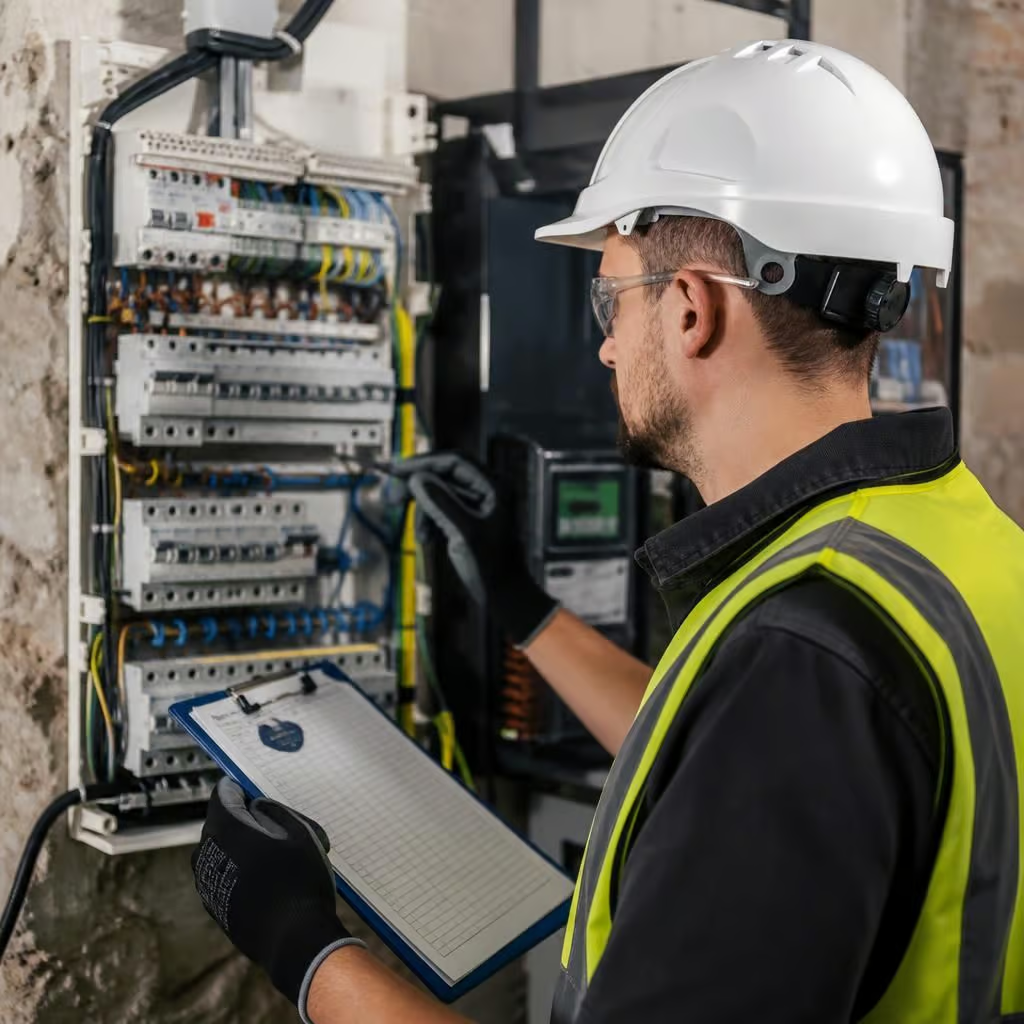
If the building has changed hands several times, the electrical layout may not match the drawings. We trace circuits, identify what each protective device supplies and label the distribution board clearly.
That gives the people responsible for the premises a usable record for future maintenance, fault finding and alterations. It also helps prevent someone isolating the wrong circuit or working from an inaccurate assumption.
Where access is limited, we explain what we can confirm from testing and what would need further investigation. You can then decide whether to improve the records now or include that work in a wider upgrade.