
How often should commercial electrical maintenance be carried out?
Commercial electrical maintenance should be scheduled according to the condition, use and risk of the installation, with inspections and testing at intervals set by a competent person. We can assess the premises and recommend a practical programme that supports safe operation and keeps required records up to date.
Commercial electrical maintenance should follow a written risk-based schedule, with different checks for the fixed installation, portable equipment and safety systems. The right interval depends on how the premises are used, the condition of the installation and the consequences of a failure.
A quiet office with a modern installation will not place the same demands on its electrical systems as a workshop, kitchen, farm building or public venue. Heat, dust, moisture, vibration, chemicals, outdoor equipment and frequent changes to the layout can all increase wear and risk.
- Fixed wiring: The last electrical installation condition report should state when the installation needs its next inspection. That recommendation may be shorter where the building is older, heavily used or exposed to harsh conditions.
- Portable appliances: Staff should carry out sensible visual checks before use, while formal inspection and testing should reflect the type of equipment and the risks of its working environment. A laptop in an office does not need the same approach as a power tool on a building site.
- Emergency lighting: User checks and recorded tests should follow the relevant standard and the premises’ fire safety arrangements. Faults need attention before the system is relied on during an evacuation.
- Distribution boards and protective devices: These need inspection for heat damage, loose connections, nuisance tripping, corrosion and signs of overloading. RCDs and other protective devices should also be tested in line with the manufacturer’s instructions and the installation’s risk assessment.
- Equipment servicing: Motors, extraction systems, heaters, pumps, automatic doors and other fixed equipment may need separate servicing intervals. We use the manufacturer’s instructions alongside the site’s operating conditions.
Some businesses need more frequent checks because a fault could stop production, affect refrigeration, interrupt access systems or put members of the public at risk. A landlord, letting agent or facilities manager may also need inspections timed around tenancy changes, refurbishment or a compliance deadline.
Work should be reviewed after an incident, alteration or change of use. A tripping circuit, burning smell, damaged accessory, water ingress or repeated equipment failure is a reason to investigate rather than wait for the next planned visit. The same applies when machinery is added, partitions are moved, loads increase or a building is converted to a different use.
We start by reviewing the existing reports, the premises and the equipment that matters to the business. We then separate urgent defects from planned maintenance and record what needs checking, who is responsible and when the next action is due. That gives the site team a usable schedule instead of a general instruction to arrange an annual visit.
The inspection itself may include visual checks, dead testing and live testing where appropriate. We look at the condition of accessories and distribution equipment, the effectiveness of earthing and bonding, protective devices, circuit identification and signs of overheating or damage. Testing is planned to limit disruption, with any circuits that must be isolated discussed before work starts.
Records should show what we inspected, which tests we carried out, any defects found and what action remains outstanding. Keeping those records together helps a business demonstrate that it is managing electrical risks, supports insurance and facilities management requirements, and makes the next maintenance review more useful.
There is no benefit in choosing a fixed annual date if the installation’s risks demand a different arrangement. A written programme based on the premises, the equipment and the previous findings gives you a clearer basis for deciding when commercial electrical maintenance is needed and when the schedule should change.
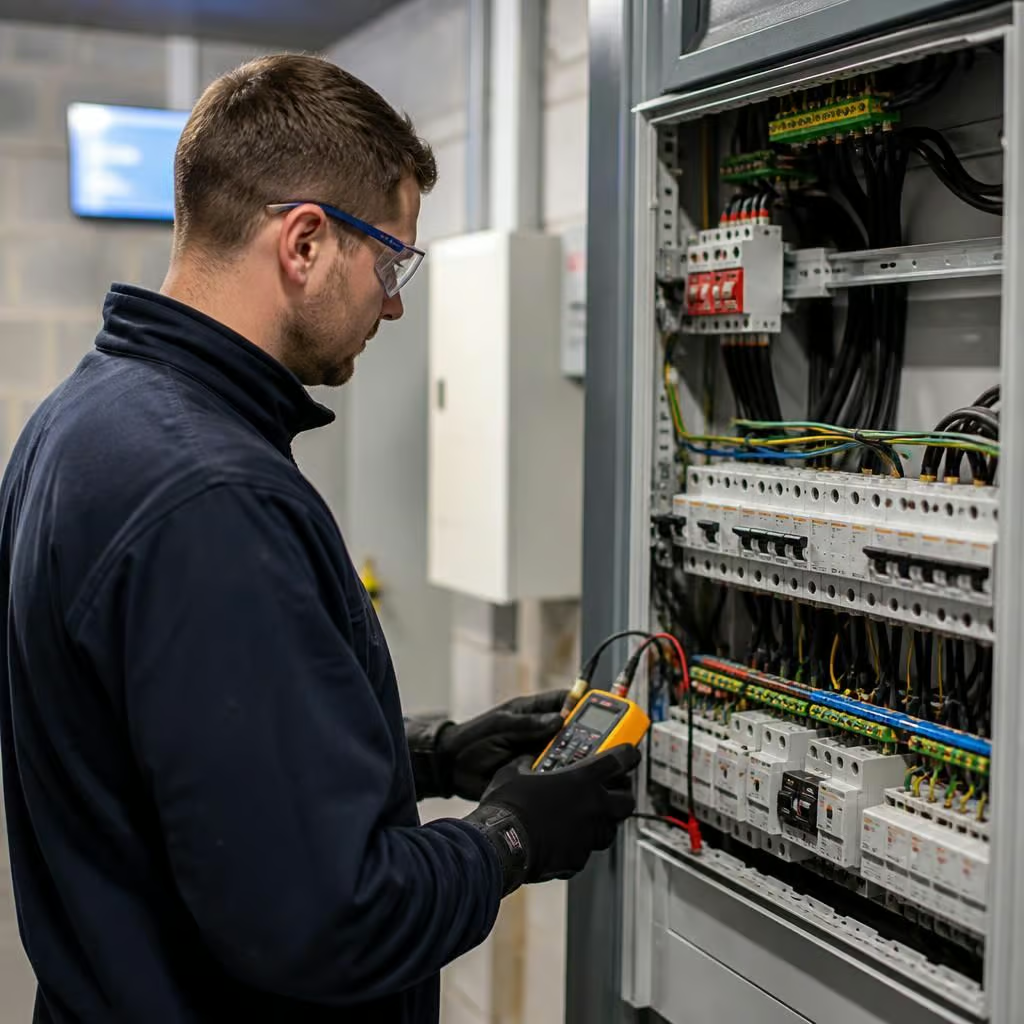
If several people manage the premises, the maintenance plan needs a named person responsible for each action. We record who must arrange a repair, who needs to approve isolation and when outstanding work should be checked again.
That prevents a satisfactory inspection from creating a false sense that every defect has been dealt with. The inspection interval remains part of the plan, but unresolved faults, restricted access or equipment awaiting repair may require an earlier follow-up visit.