How much disruption will commercial electrical work cause?
Disruption depends on the work: a planned upgrade can often be phased around your operations, while an urgent fault may require us to isolate a circuit or piece of equipment. We explain which areas could be affected, agree the sequence with you beforehand and keep the work moving with as little interruption as the installation allows.
Commercial electrical work can cause anything from a short interruption to a temporary closure of part of the premises. The main factors are the condition of the installation, the equipment connected to it and whether the work needs a power shutdown.
Your business may be able to keep trading throughout a survey, testing visit or minor repair. Larger work needs more planning because isolating a distribution board can affect lighting, sockets, heating controls, refrigeration, machinery, security systems or IT equipment. We identify those dependencies before work starts, so the interruption does not come as a surprise.
The type of work makes a difference.
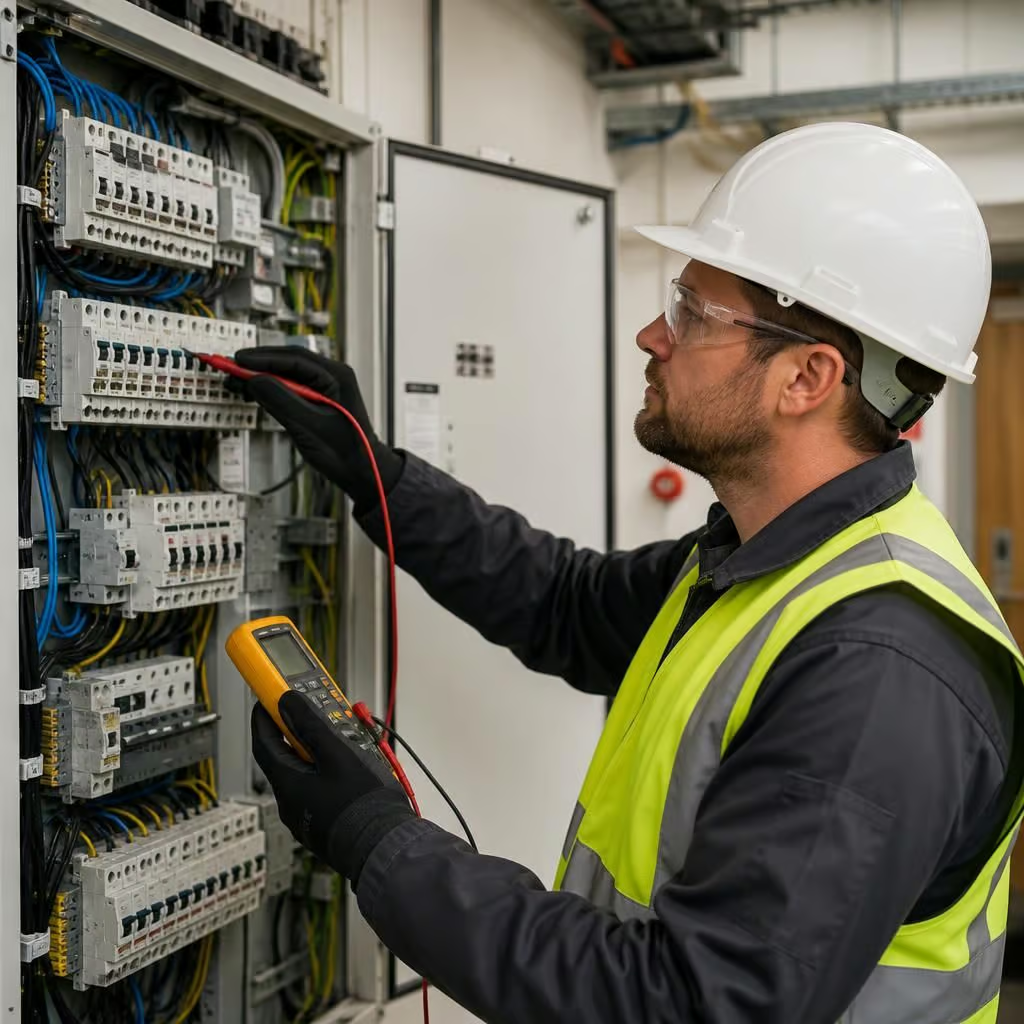
- Testing and inspection: an EICR usually creates little physical disruption, but we may need access to distribution boards, plant rooms, locked areas and representative circuits. Some circuits may need to be isolated briefly while we test them.
- Fault finding and repair: an urgent fault may require an immediate isolation to make the area safe. We then trace the problem methodically rather than repeatedly restoring a circuit that could fail again.
- Consumer unit or distribution board replacement: the connected circuits must be switched off while the equipment is changed and tested. Critical loads need identifying beforehand, particularly in shops, offices, farms, workshops and premises with refrigeration.
- New circuits, lighting and equipment supplies: access above ceilings, through service areas or around machinery can create some noise, dust and movement of staff or stock. We agree suitable working areas before installation.
- Rewiring or major upgrades: this is the most disruptive work because existing cables, accessories and protective equipment may need replacing across several areas. It is usually planned by zone so the whole premises does not become unusable at once.
Older installations can add uncertainty. A circuit may not match the labels on the board, cables may follow unexpected routes and previous alterations may not be documented. We allow time to investigate those conditions rather than forcing a schedule that is likely to change once walls, ceilings or equipment are opened up.
Access and preparation often control the amount of disruption. Clear access to electrical equipment reduces time on site. Staff should know which rooms, cupboards and plant areas need to be available. Valuable stock, sensitive equipment and movable furniture may need protecting or relocating. If contractors, tenants or other trades share the building, we can work from the agreed access arrangements and avoid conflicting activities.
Power interruptions also need operational planning. A business may need to shut down computers correctly, move refrigerated goods, stop machinery safely or arrange access for a responsible person. We explain which circuits are affected and what needs switching off before the isolation. We do not reconnect equipment until the relevant work has been completed and the installation has been tested.
Some work can be completed outside the busiest part of the working day if that fits the project and the premises. That decision depends on access, the risks of working with the building occupied and the availability of anyone responsible for the site. It is better to agree a workable time than to create an unsafe overlap with customers, staff, deliveries or machinery.
During the work, we keep the affected area defined and protect floors, fittings and nearby equipment where necessary. Electrical work can involve drilling, lifting access covers or opening service routes, so we explain any unavoidable noise or dust before it begins. At the end, we remove waste, make the area safe and leave the installation ready for normal use.
If testing uncovers a dangerous fault, the immediate priority is safety rather than keeping every circuit live. We explain the risk, identify what must remain isolated and set out the repair needed. That may create more disruption than the original inspection, but leaving an unsafe circuit energised can put people, equipment and the building at greater risk.
For larger commercial projects, we can identify the likely shutdowns, access requirements and affected areas before pricing the work. You can then plan staff, tenants, deliveries and equipment around the work rather than discovering the impact on the day. We provide a written quotation before work starts, with the agreed scope clear from the outset.
Some systems cannot simply be switched off with the rest of the building. Fire alarms, access control, security systems and refrigeration may need a separate plan, even when the electrical work is limited to one distribution board.
Tell us which services must remain available and who manages them on site. We use that information to plan the sequence of work and explain when an isolation affects those systems. This helps prevent a small electrical job from creating a larger operational problem.