
How long does a consumer unit upgrade take?
A straightforward consumer unit upgrade can often be completed in a single working visit, but older wiring, difficult access or circuit faults may extend the work. We assess the installation first and give you a clear timescale before work starts.
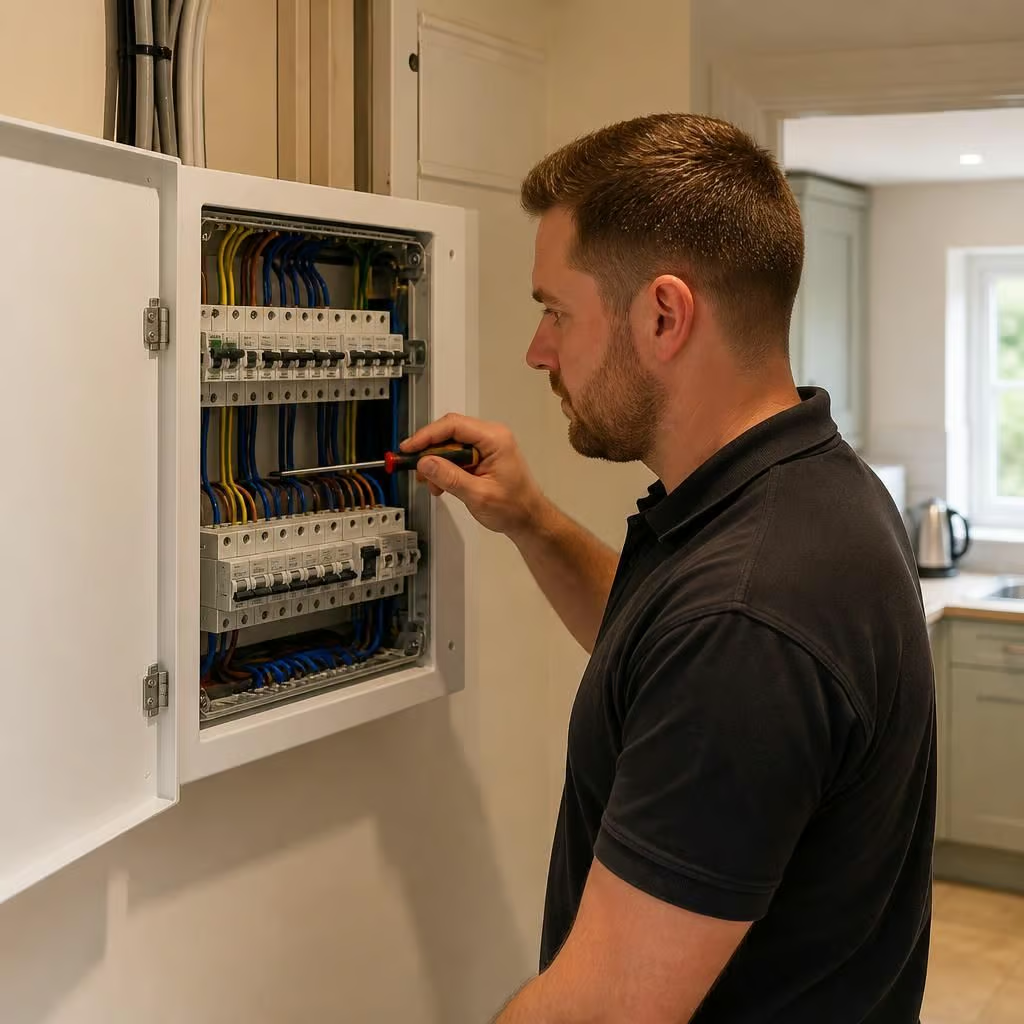
The timescale is usually determined less by fitting the consumer unit and more by what we find around it. The work can take longer if the existing cables are difficult to identify, the earthing needs improvement, or testing reveals faults on one or more circuits.
Before the upgrade, we check what the installation needs. The position of the existing fuse box, the number of circuits and the condition of the incoming cables all affect the work. We also look at the main earthing conductor and bonding to services such as gas and water. These parts may need attention before the new consumer unit can be commissioned safely.
Your home’s age and construction can make a difference too. Older properties may have additions, altered circuits or wiring that has been extended over time. A barn conversion, solid-wall house or property with outbuildings can have less obvious cable routes. We allow for careful tracing and testing rather than assuming that every circuit is labelled correctly.
On the day, we normally work through the upgrade in a set order:
- We confirm the circuits and agree the work with you before isolating the supply.
- We make the installation safe to work on and remove the old fuse box or consumer unit.
- We prepare the cables, fit the new unit and connect the circuits.
- We test each circuit, the protective devices, earthing and bonding.
- We investigate any result that falls outside the required standard.
- We label the unit clearly and explain what has been installed.
The power needs to be switched off while we replace and test the unit. That affects lighting, sockets, appliances, heating controls and any other equipment connected to the installation. We’ll explain when the supply must be isolated so you can plan around the interruption. If an appliance, alarm or heating system needs particular care, tell us before work starts.
Testing is an important part of the timescale. A consumer unit cannot be assessed properly just by checking that the switches turn on. We test the circuits connected to it and check that the protective devices operate as intended. This can expose a loose connection, damaged cable, poor insulation resistance or a circuit that has been altered without suitable protection.
If we find a problem, we’ll show you what needs attention and explain whether it prevents the upgrade from being completed safely. Some issues are straightforward to correct as part of the planned work. Others need a separate repair or further investigation. We provide a written quotation before additional work starts, so you can make a clear decision without unexpected charges.
The physical position of the consumer unit can also affect the job. Restricted access, cupboards, plasterwork or tightly grouped cables can make removal and connection more careful. If the new unit cannot use the existing cable lengths or location, we’ll explain the practical alternatives before proceeding. We won’t assume that moving the unit is necessary when a suitable replacement can remain in place.
For a standard upgrade, the main variable is therefore the condition and layout of the wiring rather than the new enclosure itself. A clear installation with accessible cables and no faults follows a simpler process. A property with unidentified circuits, older earthing or previous alterations needs more investigation and may require remedial work.
We’re NICEIC-registered and ECA-accredited for electrical work, which means the installation is carried out under the standards and inspection processes expected of a professional electrical contractor. After testing, we provide the relevant electrical documentation for the work completed and explain any recommendations that remain.
If you’re arranging an upgrade, useful information beforehand includes the age of the existing fuse box, any tripping or buzzing, recent electrical alterations and the location of the meter and consumer unit. Photographs can help us understand access, but the final timescale depends on what we find during inspection and testing.
A house with an extension, converted outbuilding or separate garage may have more than one consumer unit or a smaller distribution board. The visible fuse box may not supply every circuit. We trace how the boards connect before confirming the work, so the planned timescale covers the whole installation involved.
If boards share supplies or controls, we explain the order of isolation and testing before starting. That helps you understand which parts of the property will lose power and prevents extra work appearing unexpectedly during the upgrade.