
What electrical repairs can a domestic electrician carry out?
A domestic electrician can diagnose and repair faults with sockets, switches, lights, circuits, consumer units and fixed wiring. Where damaged or outdated wiring cannot be safely repaired, we can recommend the smallest practical rewiring job instead.
Most domestic electrical faults can be repaired without rewiring the whole house. The right repair depends on what has failed, why it failed and the condition of the surrounding installation.
A socket may need a new accessory, for example, while repeated tripping may point to damaged cable, a faulty appliance or a problem in the consumer unit. We identify the cause before replacing parts, so the same fault is less likely to return.
- Sockets and switches: loose, cracked, scorched or non-working sockets and switches can often be replaced. We check the connections and the cable behind the accessory rather than treating the visible damage as the whole problem.
- Lighting: we can investigate lights that flicker, stay on, fail to switch or trip the circuit. Repairs may involve a fitting, switch, connection, transformer or damaged cable.
- Tripping circuits: a circuit breaker or RCD that keeps operating is responding to a fault. We test the circuit and connected equipment to separate an appliance fault from a wiring or protective-device fault.
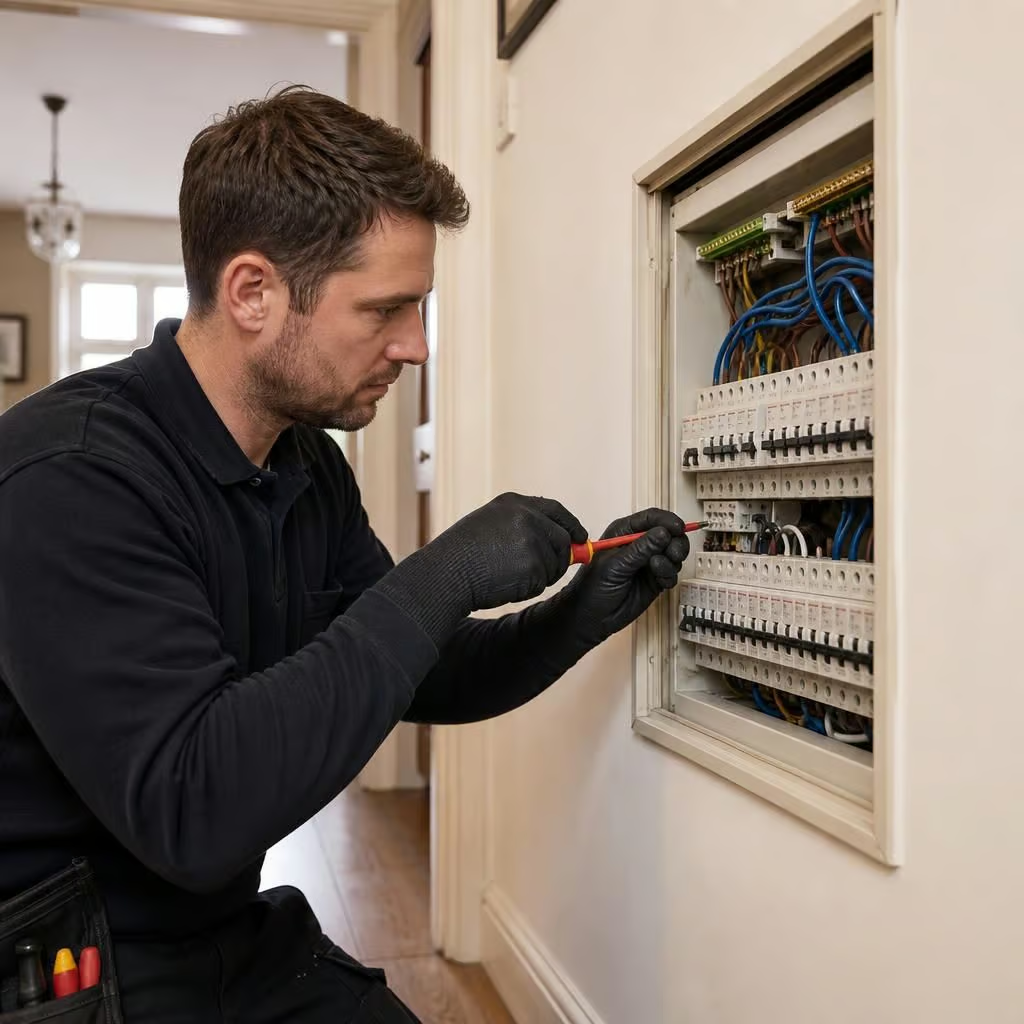
- Consumer units: damaged breakers, loose connections, failed RCDs and heat-damaged units can be repaired or replaced where appropriate. We explain when the existing board can be made safe and when its age or condition makes an upgrade the sensible option.
- Wiring and connections: we can repair accessible damaged cables, loose terminals, failed junctions and poor connections. We also investigate signs of overheating, including a burning smell, discolouration or a warm accessory.
- Outdoor electrics: faults affecting external lights, sockets, outbuildings and garden supplies can be traced and repaired. We check for water entry and cable damage, as a replacement accessory alone will not solve an underlying moisture problem.
- Electrical supplies to fixed equipment: cookers, showers, pumps, immersion heaters and other permanently connected equipment may have a fault in the appliance, its isolator or the supply circuit. We establish which part is responsible before recommending work.
Your symptoms often give us a useful starting point. A single dead socket may indicate a loose connection or a failed accessory. Several dead sockets on one circuit may point to a tripped protective device or a break in the circuit. Lights that fail when another appliance starts may indicate a loose connection or an overloaded circuit. The test results, rather than the symptom alone, determine the repair.
Some faults need attention before we carry out any further diagnosis. If you notice smoke, a burning smell, sparking, visible scorching or an electric shock from an appliance or fitting, stop using it and switch off the affected circuit if you can do so safely. Do not remove the consumer unit cover or handle exposed conductors. We can then assess whether the problem is confined to one fitting or has affected the wider installation.
A repair is not always the same as replacing the failed item. If a socket has overheated because of a loose terminal, we inspect the cable and surrounding connections as well as fitting a replacement. If water has entered an outside light, we address the route of the water before installing another fitting. If a circuit trips because of an old appliance, replacing the consumer unit would not remove the cause.
Older homes need a careful assessment because previous alterations may have left mixed wiring methods, inaccessible junctions or circuits that no longer match how the house is used. We can repair a defined fault where the rest of the installation is suitable, then tell you if further testing or improvement should be planned. A rewire is considered when the wiring is broadly deteriorated, unsafe or no longer practical to repair in sections, not simply because one accessory has failed.
Repairs can be limited to one fitting or circuit, or they can involve finding a fault that is hidden behind finishes or within an outbuilding supply. We explain the work before starting and provide a written quotation where further work is needed. The price reflects the fault, access, parts and any testing required, rather than an automatic recommendation to replace the whole installation.
Electrical work is carried out by our NICEIC-registered electricians, with ECA membership providing an additional indication that the work is assessed against recognised industry standards. Once the repair is complete, we test the affected circuit and explain any limitations or follow-up work that remains.
If a fault keeps returning, treat that as evidence of an unresolved cause rather than something to reset repeatedly. A proper diagnosis can show whether the next step is a small repair, a circuit alteration, a consumer unit upgrade or a larger programme of electrical work.
If a repair can’t be completed safely without further parts or access, we explain what has been isolated and what remains affected. That gives you a clear choice instead of leaving a circuit apparently working when the underlying fault is still present.
Where practical, we make the affected area safe, label any isolation points and record the work carried out. If the repair changes the fixed installation, we’ll explain what testing and certification apply before the circuit is put back into normal use.