
What access do you need for electrical fault finding?
We usually need access to the consumer unit, affected sockets, switches and appliances, plus any accessible loft or service areas where cables run. If wiring is concealed, we explain what further access may be needed before any disruption takes place.
The access needed depends on where the fault appears and how the circuit is wired. We need enough clear, safe working space to test the affected circuit, isolate it if necessary and follow the cable route without putting anyone or the property at risk.
Please clear items from in front of the electrical equipment and remove anything that prevents us reaching the affected room or appliance. We may need to move lightweight furniture, open cupboards or reach behind an appliance. If an appliance is built in or too heavy to move safely, tell us before the visit so we can plan the investigation properly.
A fault can involve more than one room. For example, a socket in a kitchen may be connected to a circuit that also supplies a utility room, garage or outside point. We may therefore need access to connected rooms, outbuildings or external equipment rather than only the place where the fault first appeared.
Some faults only occur when a particular appliance starts, heats up or draws more current. In that case, access to the appliance and its connection point helps us test the circuit under the conditions that cause the problem. Please leave the appliance available and let us know exactly what was running when the fault occurred.
We don’t normally need to open walls or lift floors at the start. We begin with non-invasive tests and a visual inspection. If the results point towards a concealed cable, a damaged connection or a junction beneath a floor, we explain what further access may be needed before carrying out disruptive work.
Older properties can have cables passing through enclosed cupboards, extensions, loft areas or previous alterations. A restricted hatch, stored belongings or fixed flooring can prevent a complete inspection. If we can’t reach part of the route, we’ll explain which parts we have tested and what remains uncertain rather than treating an assumption as a diagnosis.
Access also needs to be safe. Keep children and pets away from the work area, and tell us about any known asbestos, water leaks, unstable flooring or other hazards before we begin. We won’t work in a location where testing could expose people or the building to unnecessary danger.
If the property is rented, the person arranging the visit should have permission for us to enter all relevant rooms and any outbuildings. A tenant’s description of the symptoms is useful, but the investigation may be limited if we cannot reach the equipment or areas connected to the fault.
Information about the fault can reduce the amount of investigation needed. Tell us:
- which room or equipment is affected;
- what happened immediately before the fault appeared;
- whether it is constant or only occurs at certain times;
- which circuits or appliances have already been switched off; and
- about any recent alterations, leaks, DIY work or new equipment.
Photos of inaccessible equipment, labels or warning lights can also help us prepare, but they don’t replace an on-site inspection. Once we have safe access, we can test the installation systematically and tell you whether the fault can be dealt with during the investigation or needs further work.
Our NICEIC and ECA electrical work is carried out by qualified electricians who record the relevant findings. That gives you a clear explanation of what we could access, what we tested and what should happen next.
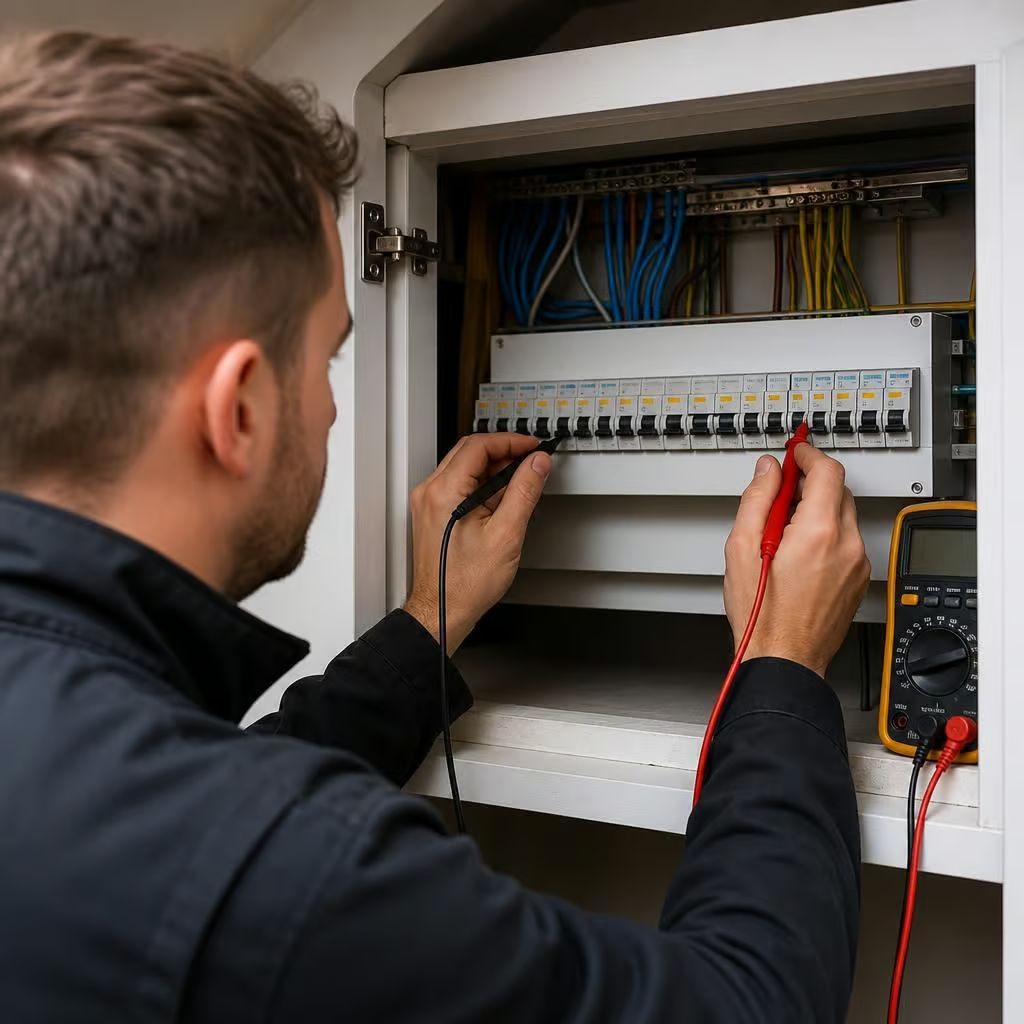
Locked meter cupboards, shared electrical rooms and gated outbuildings can prevent us reaching the supply or the circuit we need to test. Please arrange keys, entry codes and permission for shared areas before the visit.
If access depends on a managing agent, landlord or neighbour, confirm that they know we need to enter. This avoids stopping the investigation before we reach the equipment that may be causing the fault.