
What happens after an EICR inspection?
After the inspection, we explain the EICR report, including any safety observations and whether the installation is satisfactory. If repairs are needed, we discuss the findings with you and provide a written quotation before any work starts.
After an EICR inspection, you receive a written report showing the condition of the installation, any defects found and what should happen next. A satisfactory report records that no dangerous issues were identified within the inspection’s scope. An unsatisfactory report explains which work or further investigation is needed.
The report covers the parts of the installation we inspected and tested. It records relevant details such as the consumer unit, earthing and bonding, wiring, accessories and any limitations affecting the inspection. This matters because an EICR is a report on the installation at that time, not a guarantee that every concealed cable or future fault has been assessed.
We talk through the findings rather than leaving you to interpret technical wording. Some observations need action because they create a safety risk. Others identify an improvement or an area where testing could not establish the cause. We explain the difference, so you can decide what needs doing first.
- Immediate safety concerns: We explain what is unsafe and may recommend making the affected circuit or equipment safe before further use.
- Repairs and replacements: We identify the work needed, such as replacing damaged accessories, correcting wiring or improving earthing and bonding.
- Further investigation: If the inspection reveals a problem that testing cannot fully diagnose, we explain what additional access or testing is required.
- Improvements: We separate recommended upgrades from defects that require attention, so you can distinguish essential work from planned modernisation.
If remedial work is needed, we discuss the scope with you before starting. The quotation sets out the proposed work and price, so you can make an informed decision rather than approving an open-ended job. We do not add surprise charges to agreed work.
The work may be straightforward, such as changing a damaged socket or correcting a connection. A more involved report might point to wider issues with an older installation, including outdated protective devices, inadequate bonding or sections of wiring that need replacing. We explain any disruption, access requirements and likely sequence before the work begins.
Some repairs can affect power to part or all of the property while we make the installation safe. If that applies, we tell you which circuits are affected and what needs to remain switched off. Older homes, extensions and altered installations can contain several phases of previous work, so we investigate the actual arrangement rather than assuming the wiring follows a modern layout.
Once agreed repairs are complete, we carry out the required tests again. This confirms that the affected installation now meets the relevant safety requirements and checks that the work has not introduced another fault. We then provide the appropriate electrical safety paperwork for the completed work.
If the original report was unsatisfactory, the final paperwork should make clear what has been rectified and what, if anything, remains outstanding. A follow-up inspection may be needed where the original findings called for further investigation or where access was not available during the first visit.
Landlords should treat the report as part of their compliance records. If the installation is unsatisfactory, the landlord must arrange the required remedial work within the period stated by the report or regulations. The relevant written confirmation must then be provided to the required parties. We can explain what the findings mean for the property file and which documents need retaining.
For a home being bought, sold or renovated, the report can also help you plan electrical work in stages. It may identify safety repairs that should come first, followed by improvements such as additional socket outlets, lighting changes or a consumer unit upgrade. An EICR does not replace a full survey or a design for planned alterations, so we assess those separately when needed.
Keep the report with the property’s electrical records, along with invoices and paperwork for any remedial work. If a future electrician needs to trace a fault or plan an alteration, these documents show what was inspected, what was changed and which issues were already identified.
In short, the inspection gives you a condition report, not just a pass or fail. You can use it to deal with safety risks first, budget for worthwhile improvements and keep clear evidence of the work completed.
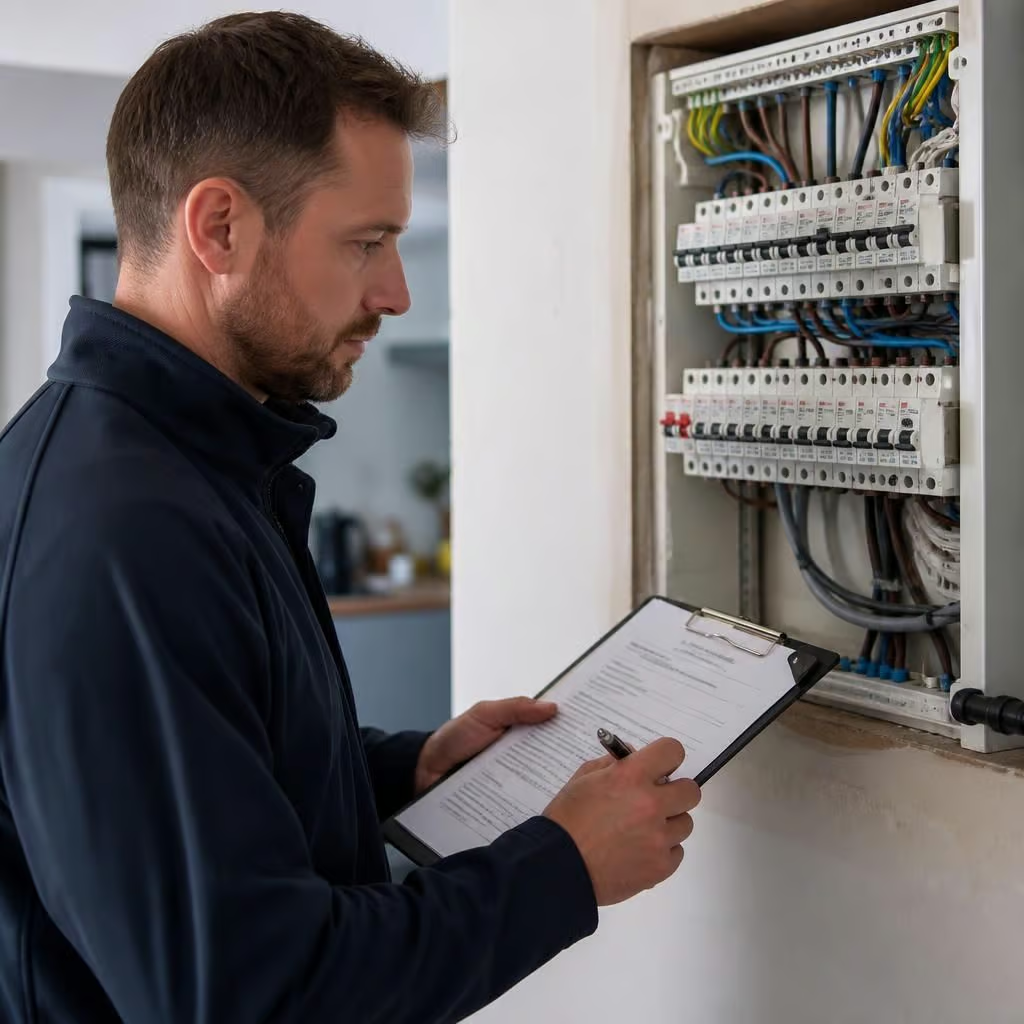
If an electrician carries out remedial work, the paperwork you receive may not be a new EICR. The document depends on the work completed: a Minor Works Certificate may cover a small repair, while an Electrical Installation Certificate is used for a larger alteration or new circuit.
Keep that certificate with the original report. Together, they show what the inspection found and what has since been changed. If a later inspection is needed, we explain why and confirm which parts of the installation need checking again.