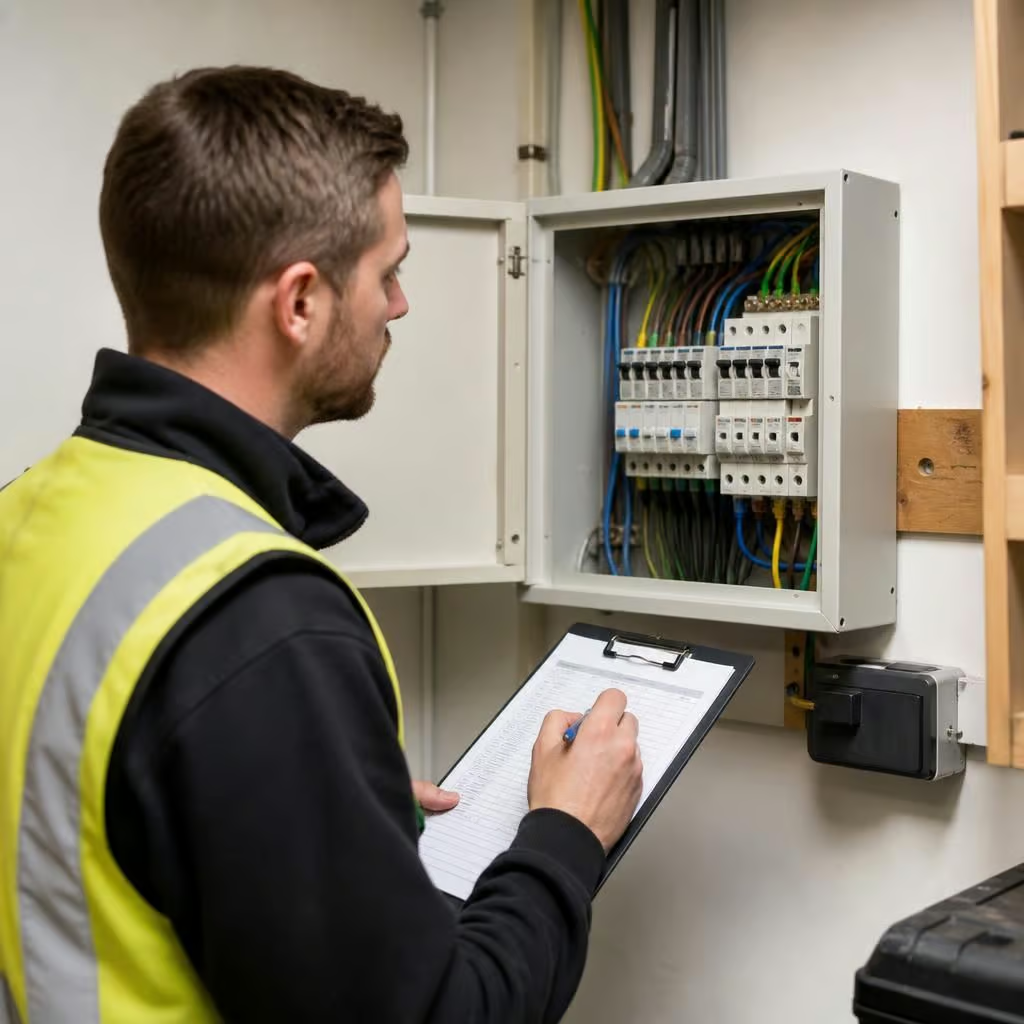
What should I do before an EICR inspection?
Before an EICR inspection, make sure we can reach the consumer unit, sockets, switches and fixed electrical equipment. Have any relevant electrical records available, and tell us about known faults or changes to the installation.
Before an EICR inspection, gather the property’s electrical records, make arrangements for brief power interruptions and avoid changing the installation immediately beforehand. Most homeowners do not need to do anything technical.
Keep the electrical supply available
We need the installation energised for much of the testing. Please don’t switch off the main supply before we arrive unless there is a safety concern. Some tests may operate RCDs or interrupt the electricity briefly, so save work on computers and switch off equipment that could be affected by a power cut.
If the property has an alarm, heating controller, server, aquarium or other equipment that must remain powered, let us know before testing starts. We can then take suitable precautions where possible.
Gather records from previous work
Electrical installation certificates, minor works certificates, building control notices and records from a recent rewire can help us understand the installation. They are not essential, and missing paperwork does not prevent an EICR, but it can provide useful context.
Note any recent changes to the property, such as an extension, converted room, new outbuilding or alteration to the consumer unit. Information about when the work took place and who carried it out may help us identify the parts that need closer attention.
Tell us about equipment that forms part of the installation
Make a note of fixed equipment added since the last inspection. This might include an electric shower, immersion heater, extractor fan, outdoor supply, hot tub, solar system, battery or EV charge point. These items may have their own protective devices and isolation points, so knowing about them helps us assess the installation properly.
An EICR covers the fixed electrical installation rather than portable appliances. It does not replace a portable appliance test, boiler service or inspection of specialist equipment by its own manufacturer or service engineer.
Plan for the inspection to take place without interruption
We may need to test sockets, switches, circuits and protective devices throughout the property. Arrange for someone responsible for the property to be available, particularly if we need to discuss the installation or clarify which areas are included.
Pets should be kept away from the areas being inspected. If tenants, staff or other occupants are present, tell them that the electricity may be interrupted and that we may need to operate switches during the inspection.
You do not need to remove every item from the property or dismantle anything. We will not normally carry out destructive work simply to complete an EICR. If a fitting cannot be inspected without lifting flooring, removing fixed panels or causing damage, we will explain the limitation rather than proceed without agreement.
Do not carry out last-minute electrical work
A quick DIY alteration can make the installation harder to assess and may introduce a separate safety issue. Leave damaged accessories, loose connections and other concerns for a qualified electrician to inspect. Do not remove covers or attempt to repair a circuit before the appointment.
If a repair is completed before the EICR, keep the certificate or invoice and make sure we know what changed. An EICR records the condition of the installation at the time of inspection, so recent work needs to be considered as part of that assessment.
If the property is rented
Landlords should coordinate access with the tenant and explain that testing may cause short power interruptions. Keep the previous electrical report and any records of remedial work available. If the inspection is part of a change of tenancy or a scheduled compliance programme, allow enough time for any follow-up work identified by the report.
For an empty property, arrange access to every included area and leave keys or alarm instructions where needed. If parts of the installation cannot be inspected, the report will record the limitation, which may mean further access or investigation is needed.
Once the inspection is complete, we explain any observations and issue the appropriate report. If the report identifies remedial work, you can decide what to do next using the findings rather than trying to prepare the property by guessing what an inspector might find.
If you notice a burning smell, scorching, sparking or exposed wiring before the appointment, don’t wait for the EICR. Keep people away from the area and switch off the affected circuit only if it’s safe to do so. Arrange an urgent electrical assessment instead.
Minor concerns can be noted for the inspection. Write down what happens, which room or circuit is affected, and whether the problem appears when a particular appliance is used. That detail gives us a useful starting point and helps distinguish an isolated accessory fault from a wider issue.