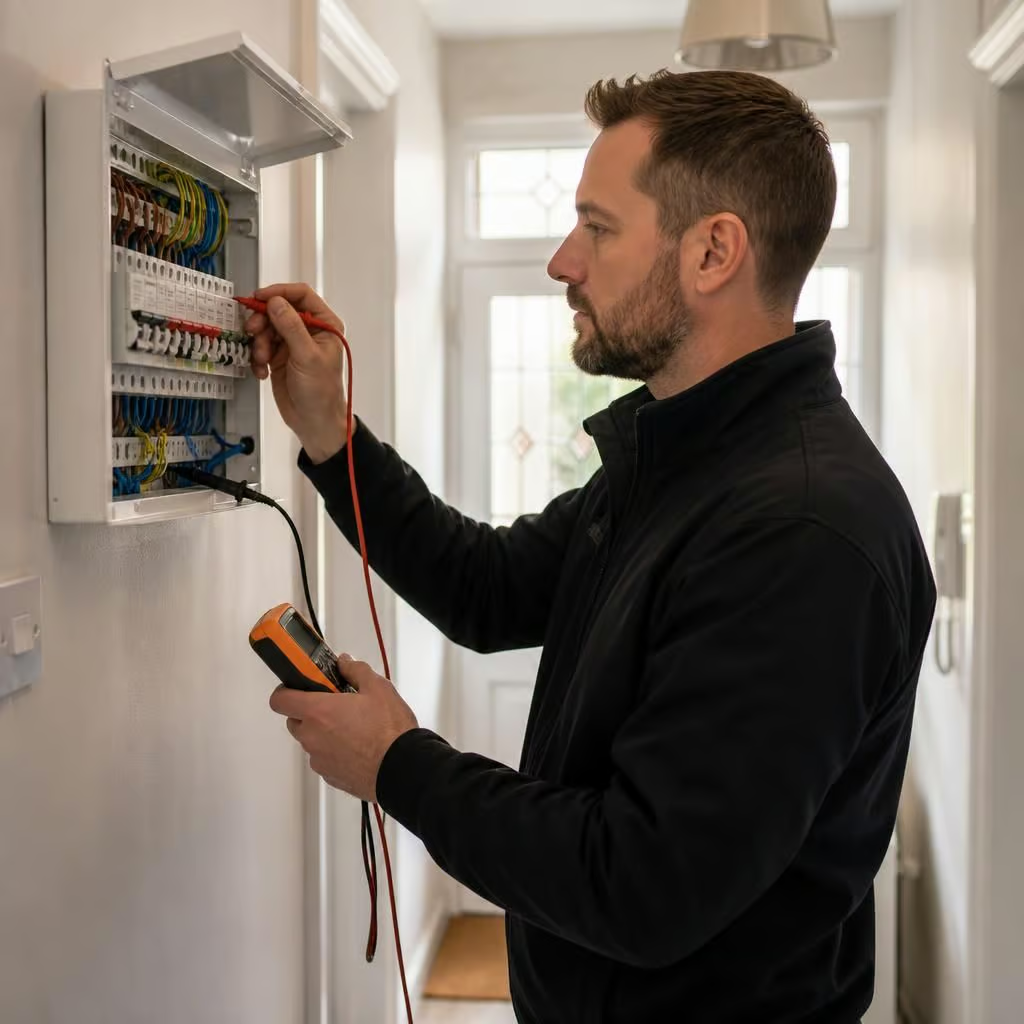
When should you arrange a domestic EICR?
Arrange a domestic EICR when you move into an older home, before major electrical alterations, or if you notice signs of unsafe wiring; owner-occupied homes are commonly inspected every 10 years. Rented homes should have an EICR at least every five years, with a new inspection also needed when the previous report requires it or regulations call for one.
The right time to arrange a domestic EICR is before a known change, deadline or decision puts pressure on the electrical installation. For a homeowner, the best interval depends on the property, how heavily the electrics are used and what the previous report recommended. There is no single date that suits every home.
If you have a previous EICR, start with its recommendation. The report should state when the installation ought to be inspected again, taking account of its condition and the type of property. A home with frequent alterations, outbuildings, workshops or high electrical demand may need more attention than a lightly used modern installation.
- Before a tenancy starts: landlords should arrange the inspection early enough to allow any remedial work and follow-up checks before a tenant moves in. A valid report also needs to be provided to the relevant people within the required timescales.
- Before marketing or completing a property purchase: an EICR gives you a clearer view of the installation before you commit to the property. It can identify work that may affect your budget or delay other plans.
- Before selling a home: commissioning a report in good time lets you deal with significant findings before they become a point of negotiation. It also gives a prospective buyer useful information about the electrical installation.
- Before extensive building work: an inspection can show whether the existing installation is suitable for the changes you are considering. Your electrician can then separate necessary upgrades from work that belongs to the project itself.
- After a serious event: flooding, fire, a lightning strike or substantial water ingress can affect cables and connections that are not visible. Arrange an inspection once the property is safe to access, rather than relying on the fact that some circuits still operate.
- When the previous report is due for review: arranging the next inspection before that point avoids a gap in your records, particularly where a property is rented or managed for someone else.
A domestic EICR is also worth considering when you have inherited a property but cannot establish what work has been carried out. Records may be missing after extensions, loft conversions, rewires or changes of ownership. An inspection does not recreate design documents, but it can show the present condition of the accessible installation and highlight areas that need further investigation.
Homeowners do not normally need an EICR simply because a particular number of years has passed. The decision should reflect the installation’s age, its use and any recommendation on the last report. A home with an up-to-date report and no material changes may not need another inspection immediately. A property with incomplete records or a history of alterations deserves a more cautious approach.
Do not use an EICR as a substitute for the certificate that should accompany new electrical work. A new circuit, consumer unit or other alteration should have the appropriate electrical installation certification when the work is completed. An EICR assesses the installation at the time of inspection; it does not confirm that every earlier alteration complied with the original requirements.
The timing matters because an inspection can produce different outcomes. We record observations using standard codes:
- C1: there is an immediate danger, so urgent action is needed.
- C2: there is a potentially dangerous defect that needs prompt attention.
- C3: improvement is recommended, but the installation is not automatically considered unsatisfactory for that reason alone.
- FI: we need further investigation before deciding whether a defect is present.
If the report identifies C1, C2 or FI observations, arrange the next step rather than filing the report away. We explain what each observation relates to, which work is necessary and whether further access or testing is needed. Once remedial work is complete, the outcome should be documented with the correct certification or follow-up report.
For a rented property, plan the inspection around the tenancy rather than waiting for a tenant, agent or local authority to request paperwork. For a home you occupy yourself, use the previous report and the property’s history to choose a sensible review point. If you are uncertain, we can discuss the installation’s age, alterations and records before recommending the appropriate inspection.
Our NICEIC-registered electricians carry out domestic inspections and explain the findings in plain language. You receive a written report showing the condition of the installation, any observations and the action needed next.
Arrange the inspection when the electrician can reach the main electrical points throughout the property. The consumer unit, sockets, switches, fixed equipment and any accessible outbuildings may need checking.
If furniture, stored items or building work prevent access, the inspection may be limited. We record those limitations in the report, so clearing the relevant areas beforehand can give you a more useful assessment and avoid arranging further access later.