
How should I prepare my property for an EICR?
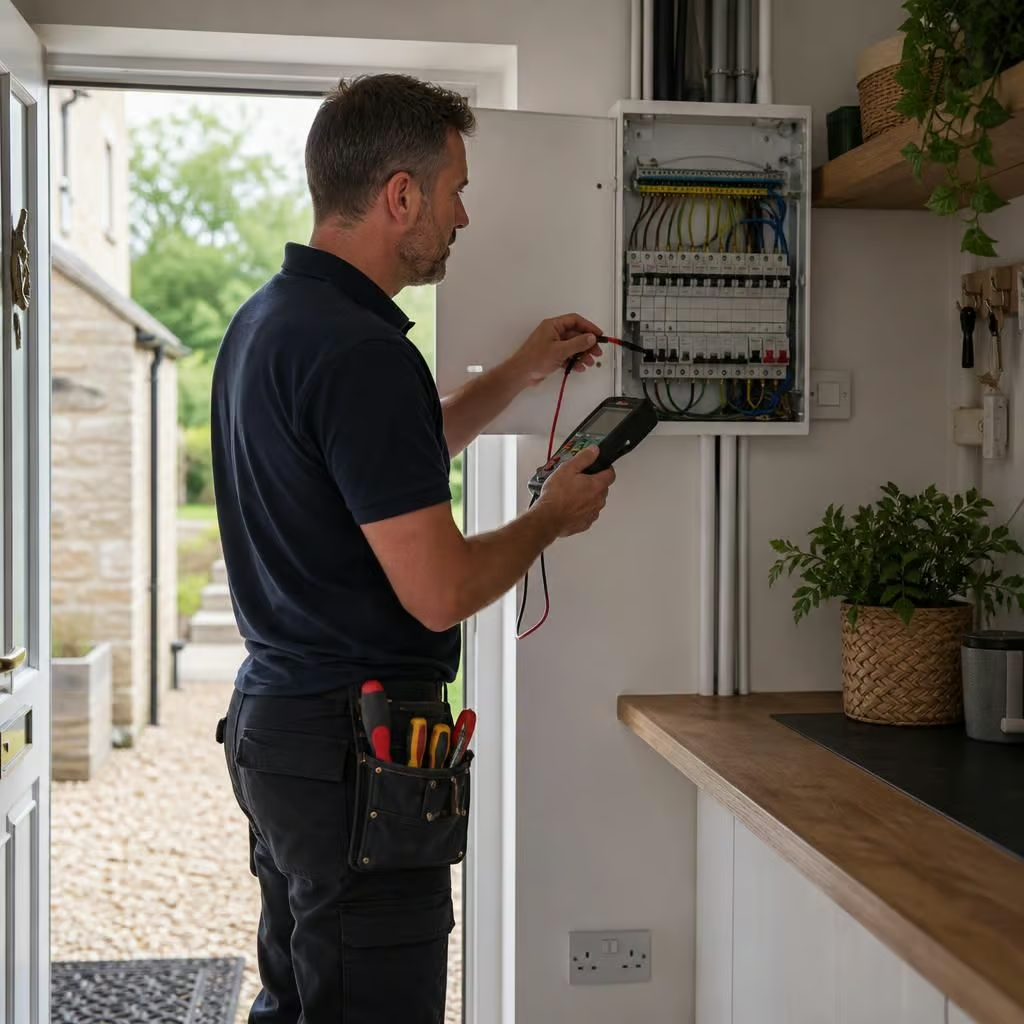
Before an EICR, clear access to the consumer unit, sockets, switches, light fittings and any fixed electrical equipment, and make sure we can enter every area of the property. Have details of known faults, alterations and previous electrical work available, so we can investigate them during the inspection.
The most useful preparation is to provide accurate information about the installation and make the property safe and practical to inspect. You don’t need to remove every item from the house, but the electrician needs a clear understanding of the electrical system and any restrictions that could affect testing.
Gather any available electrical records
Certificates, previous EICR reports, installation records and invoices can show what work has already been completed. This is particularly useful if the property has had an extension, rewiring, a converted room or a change of consumer unit.
If you know when major alterations took place, make a note of this. Electrical work carried out at different times may use different cable routes, protective devices or earthing arrangements. The information helps us compare the installation with its history rather than treating every part as if it was installed at the same time.
Make a note of anything that concerns you
Tell us about recurring trips, warm switches, flickering lights, damaged accessories, burning smells, tingling from metalwork or sockets that have stopped working. A fault may not be present when we inspect, so details about when it happens and which circuit is affected can help us investigate it.
Also mention any recent electrical work that has not yet been tested or any areas where wiring may have been altered. This includes work in lofts, outbuildings, garages, kitchens, bathrooms and extensions.
Explain the layout before testing starts
Older homes and converted buildings can have wiring that is not obvious from the room layout. Let us know about hidden rooms, locked outbuildings, detached garages, external supplies, electric gates, garden offices, workshops and loft spaces. If a circuit supplies more than one building, that matters when we trace and test it.
For a rural or off-gas-grid property, mention equipment such as oil boilers, pumps, immersion heaters, electric fencing, borehole pumps or agricultural supplies. These may form part of the fixed electrical installation or need to be isolated safely during the inspection.
Plan for some temporary interruption
An EICR can involve switching circuits off and carrying out tests that affect power briefly. Save work on computers, pause washing machines and let anyone working from home know that the supply may not remain uninterrupted throughout the inspection.
Keep essential equipment in mind before we begin. If the property has an alarm, access-control system, smart heating controls, medical equipment or other systems that should not lose power, tell us in advance. We can discuss how they should be handled rather than disconnecting anything without the right information.
Deal with access restrictions honestly
If a room, cupboard, outbuilding or part of the installation cannot be entered, tell us before the inspection. A locked area or inaccessible wiring may limit the extent of the report. We record relevant limitations rather than assuming that unseen parts of the installation are satisfactory.
Do not create an unsafe route just to prepare for the visit. If access requires specialist equipment, working at height or entry into a confined space, explain the situation beforehand. We can then establish what inspection is practical and what further arrangements may be needed.
Keep occupants and pets safe
Children and pets should stay away from work areas while testing takes place. We may need to open electrical enclosures, remove accessories or move between rooms while circuits are being checked. An adult who knows the property should be available to answer questions about rooms, outbuildings and previous work.
For a rented property, the landlord, agent or responsible person should make sure the electrician can enter all relevant areas and has permission for the inspection. Tenants should report faults they have noticed, even if the issue appears minor.
Don’t try to correct defects before the inspection
Loose sockets, missing covers, damaged cables and other visible defects should be reported, not concealed or repaired temporarily. DIY changes can make the installation harder to assess and may introduce additional risks. Leave electrical repairs to a qualified person.
We assess the condition of the fixed installation against the requirements that apply to the inspection. The report may identify items that need attention even when the system appears to be working normally. An EICR is a condition assessment, not a guarantee that faults cannot develop later.
After the inspection, we explain any observations and identify what needs urgent attention, what should be improved and what can be monitored. If remedial work is recommended, you can decide what to do from the written findings rather than preparing for repairs before the installation has been assessed.
If your property has solar panels, a battery, an EV charger or another electricity source, tell us before the inspection. These systems can have separate isolation points and may keep parts of the installation energised when the mains supply is switched off.
We identify how each system connects to the installation before testing begins. This helps us isolate equipment safely and include the relevant fixed wiring in the inspection, rather than treating the consumer unit as the only source of supply.