
What should I prepare before a landlord fire safety inspection?
Before a landlord fire safety inspection, gather the tenancy details, alarm and emergency-lighting records, maintenance certificates and any previous inspection notes. Check that access routes are clear, alarms are fitted where required and fire doors, escape windows and extinguishers are accessible.
The best preparation is to make the property, its safety records and any previous actions available for review. We can then assess the arrangements against the building’s layout, occupancy and use, rather than relying on paperwork alone.
Start with the property information
- Give us the full address and confirm whether the property is a single-family rental, shared house, flat or building with communal areas.
- Explain how many people live there, how the rooms are used and whether anyone may need extra help to escape.
- Tell us about locked rooms, loft spaces, cellars, garages, outbuildings and areas that tenants do not normally access.
- Let us know about recent alterations, changes of use or building work. A converted room, new partition or replacement door can affect the escape plan.
- Provide keys, access codes and permission to enter every relevant room. An inspection cannot properly assess doors, alarms or escape routes if areas are unavailable.
If the property forms part of a larger building, include details of shared stairways, corridors, entrances and plant areas. The inspection may need to consider how a fire could affect other residents, not just the rented unit.
Bring together the safety records
Keep the records in one place, either as paper copies or readable electronic files. Useful documents include:
- the latest fire risk assessment, if one applies to the property;
- reports from earlier fire safety inspections;
- records showing alarm testing, servicing, repairs and battery replacement;
- maintenance records for emergency lighting, fire extinguishers, smoke ventilation or other installed fire precautions;
- certificates and reports for electrical work, including any relevant inspection report;
- the current gas safety record and records of work on gas appliances or flues;
- records for oil-fired appliances where the property is off the gas grid;
- installation or commissioning information for fire doors, alarm systems and emergency lighting;
- reports of faults, tenant complaints, false alarms or previous recommendations; and
- evidence that earlier defects have been repaired, including invoices, completion records or photographs.
Not every property needs every document. The relevant evidence depends on the building and the equipment installed. Missing paperwork does not automatically prove that an arrangement is unsafe, but it can make it harder to demonstrate that checks and repairs have been completed.
Check what has changed since the last inspection
Compare the current property with the last report. Note any new furniture in shared areas, changed room layouts, replacement doors, new appliances, electrical alterations or work in loft and storage spaces. Tell us about any incident, near miss or alarm fault, even if it has already been resolved.
Where tenants have made changes, record what happened and when. This helps us distinguish an isolated issue from a recurring problem. It also gives the landlord a clear starting point for any further action.
Make the inspection route clear
Remove stored items from corridors, stairs and landings before we attend. Do not move anything into another escape route or block access to electrical intake equipment, alarm controls, fire extinguishers or emergency lighting.
Make sure doors open fully and that we can inspect the frame, closer, hinges, glazing and gaps. We may need to check the condition of seals and the way a door closes. Do not paint over labels or remove door hardware before the inspection.
Keep alarm control panels, test switches and emergency lighting test points accessible. If the system has a fault indication, make a note of when it appeared and what action has already been taken. We can then include the fault in the inspection rather than treating it as an unexplained failure.
Prepare tenants and occupants
Tell occupants the inspection date and explain which rooms need to be entered. Arrange access to bedrooms, kitchens, living rooms and any private areas that form part of the escape or detection arrangements.
Ask tenants to report alarms that do not sound, doors that do not close, damaged closers, blocked windows, faulty lights or repeated nuisance alarms. Their day-to-day experience can identify problems that a visual check alone may miss.
Do not disable an alarm because it has caused nuisance alarms before the inspection. Record the issue instead. The cause may be contamination, poor positioning, a failed unit or an unsuitable type of alarm, and removing the alarm can leave the property without the intended protection.
Check the information given to tenants
Have the current fire action instructions available. These should match the property’s actual arrangements, including the escape route, what to do if a route is blocked and how to report a fire or alarm fault.
Check that tenants have been told not to wedge fire doors open, obstruct communal routes or interfere with alarms. If the building has a stay-put or simultaneous evacuation procedure, the written instructions must reflect the arrangement used for that building. We can identify where the information no longer matches the physical layout.
Plan for the inspection outcome
Allow time after the inspection to discuss findings. A report may separate immediate safety concerns from maintenance recommendations and longer-term improvements. That distinction helps you decide what needs action first.
If we find a defective alarm, damaged door, unsafe electrical item or inaccessible escape route, we will explain the issue in practical terms. Where further work is needed, we can set out what the work involves and provide a written quotation before it starts. You can then compare the recommendation with the inspection evidence and arrange the necessary decision with the landlord or managing agent.
Keep the completed report with the other property records. Add dates, invoices and completion information when actions are closed. A clear record shows what was found, what was done and whether any remaining recommendation still needs attention at the next review.
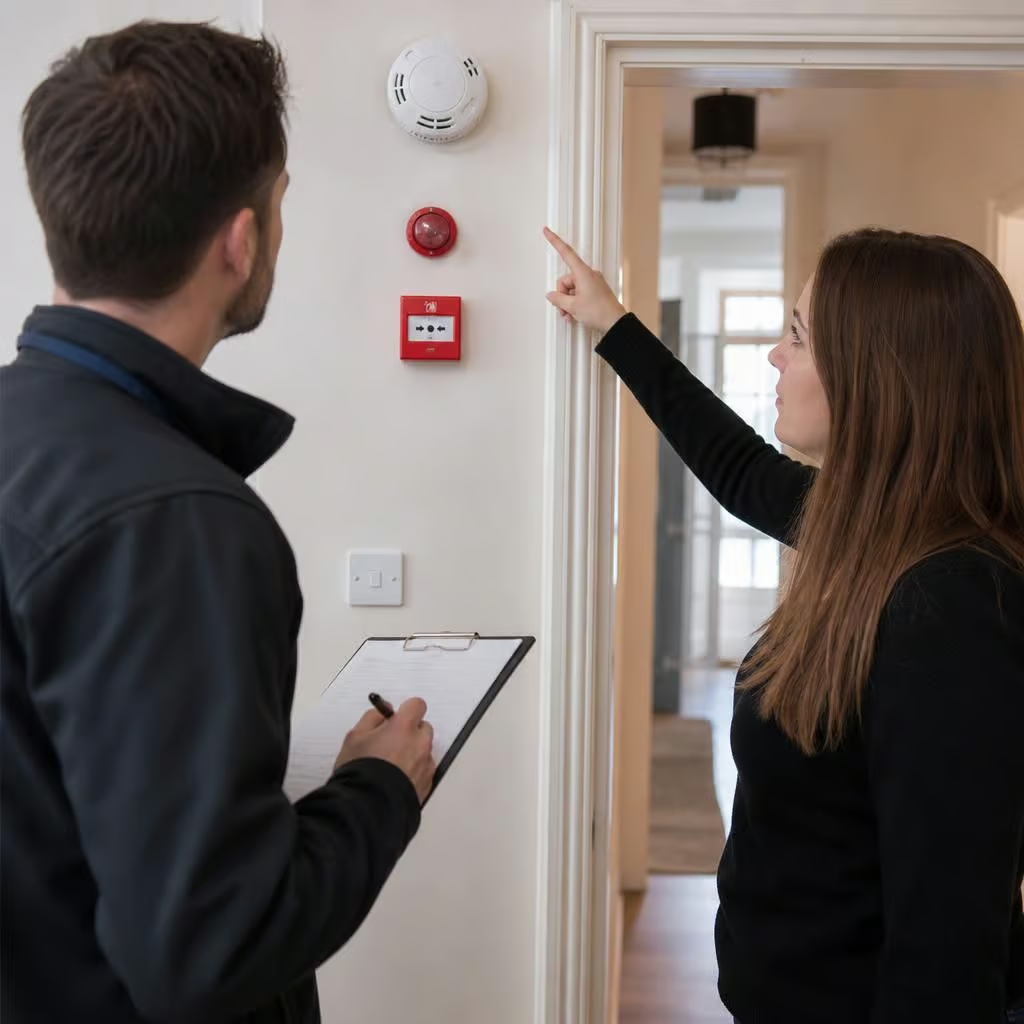
If the rental is leasehold or shares a hallway, stairway or alarm system, identify who manages the communal fire precautions before the inspection. Keep the managing agent’s contact details and any arrangement for reporting faults to hand. We can then separate issues within the let property from matters controlled by the building manager.
It also helps to note anything that needs explaining on the day, such as a temporary repair, a recurring false alarm or a restriction on altering a door or wall. We can record the circumstance accurately instead of treating an unusual feature as an unexplained defect. The completed report should give you a clear basis for deciding what needs attention and who needs to arrange it.