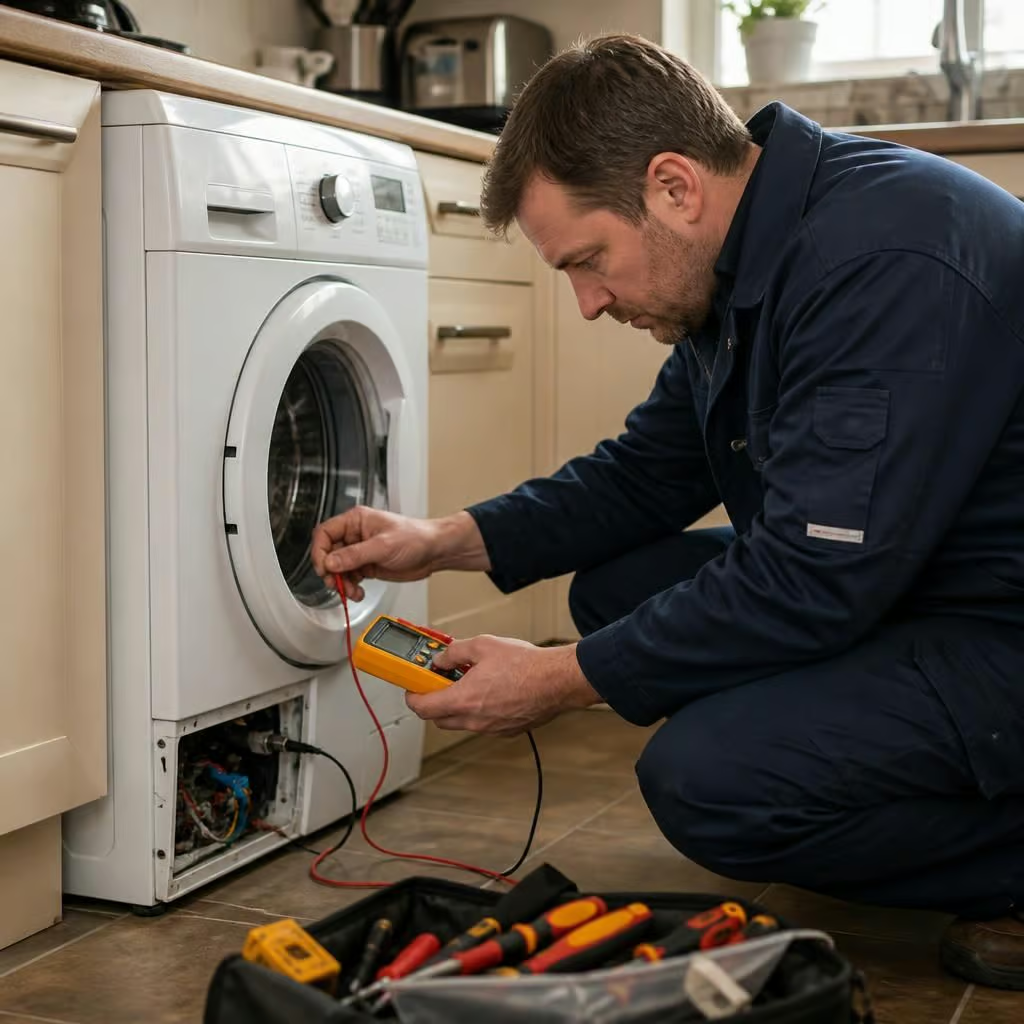
Can an emergency electrician identify an appliance causing the fault?
Yes. We can test the affected circuit, isolate appliances one at a time and identify whether a faulty appliance is causing the breaker to trip or the power to fail.
The next step is to establish whether the appliance, its plug and lead, or the fixed circuit is at fault. Those problems can produce similar symptoms, but the checks and repair are different.
We start by asking what happened immediately before the power failed. A breaker that trips when a washing machine begins its cycle points to a different problem from one that trips when several kitchen appliances run together. A burning smell, scorch mark, buzzing socket or warm plug also changes the order of the checks.
If there is no sign of heat, smoke or damage, unplugging portable appliances can help narrow the fault. We then reconnect them one at a time while monitoring the circuit. We don’t use this approach where a plug, lead or appliance shows damage, or where water may have entered it. In those cases, the item stays disconnected.
A residual current device (RCD) usually trips because electricity is escaping to earth. Moisture, damaged insulation or an internal appliance fault can cause this. A miniature circuit-breaker (MCB) usually trips because of an overload or short circuit. An appliance can therefore appear to be faulty because it draws too much current, while the real issue may be a loose connection or damaged cable.
We check the appliance connection, plug, flex, socket and any accessible isolation switch before testing the circuit itself. An integrated oven, boiler, extractor or dishwasher may be connected through a switched spur rather than a standard plug. We can isolate it safely without dismantling the appliance unnecessarily.
Electrical testing helps separate an appliance problem from a wiring problem. We may test insulation resistance, continuity and the operation of the protective devices. We also check whether the circuit is overloaded or whether a connection has deteriorated. These tests are more reliable than repeatedly resetting the breaker and waiting to see what trips next.
Intermittent faults need particular care. A freezer may run normally during a short visit but leak current as its compressor starts. A dishwasher or washing machine may only cause trouble when its heater operates. We record which circuit is affected and under what conditions, then explain any limits to what can be confirmed while the appliance is not running through a full cycle.
If the appliance is responsible, we normally leave it safely isolated and explain what needs attention. An electrician can identify the electrical symptoms and confirm that the circuit is safe, but an appliance manufacturer’s service engineer may need to repair an internal motor, heater, control board or compressor. Continuing to use the appliance can damage the circuit or create a shock risk.
If the appliance tests normally, the fault may be in the socket, spur, consumer unit or fixed wiring. We then trace the affected section and discuss the repair required. That might involve replacing a damaged accessory, correcting a loose termination or repairing part of the circuit. We won’t recommend replacing an appliance when the evidence points to the installation.
Tell us if the problem began after a leak, renovation, new appliance or DIY work. Those details can identify the likely area before testing starts. Keep the affected appliance disconnected, and don’t remove covers or touch a scorched fitting. If there is smoke, active sparking or a smell of burning, move away from the affected area and contact the emergency services if there is a fire.
Once we have identified the cause, we explain whether the appliance can remain in use, needs a separate repair or should stay isolated. Electrical work is carried out by our NICEIC-registered electricians, with the relevant testing completed after any repair.
Identifying the appliance does not always mean identifying the failed internal part. We can confirm that the fault comes from the appliance rather than the fixed wiring, then explain what an appliance repair technician needs to investigate.
That distinction prevents unnecessary electrical work and stops a faulty appliance being put back into service after the circuit has been reset. We leave the item safely isolated, record what the circuit did during testing and make clear what needs repairing next.