
What should I do before an emergency electrician arrives?
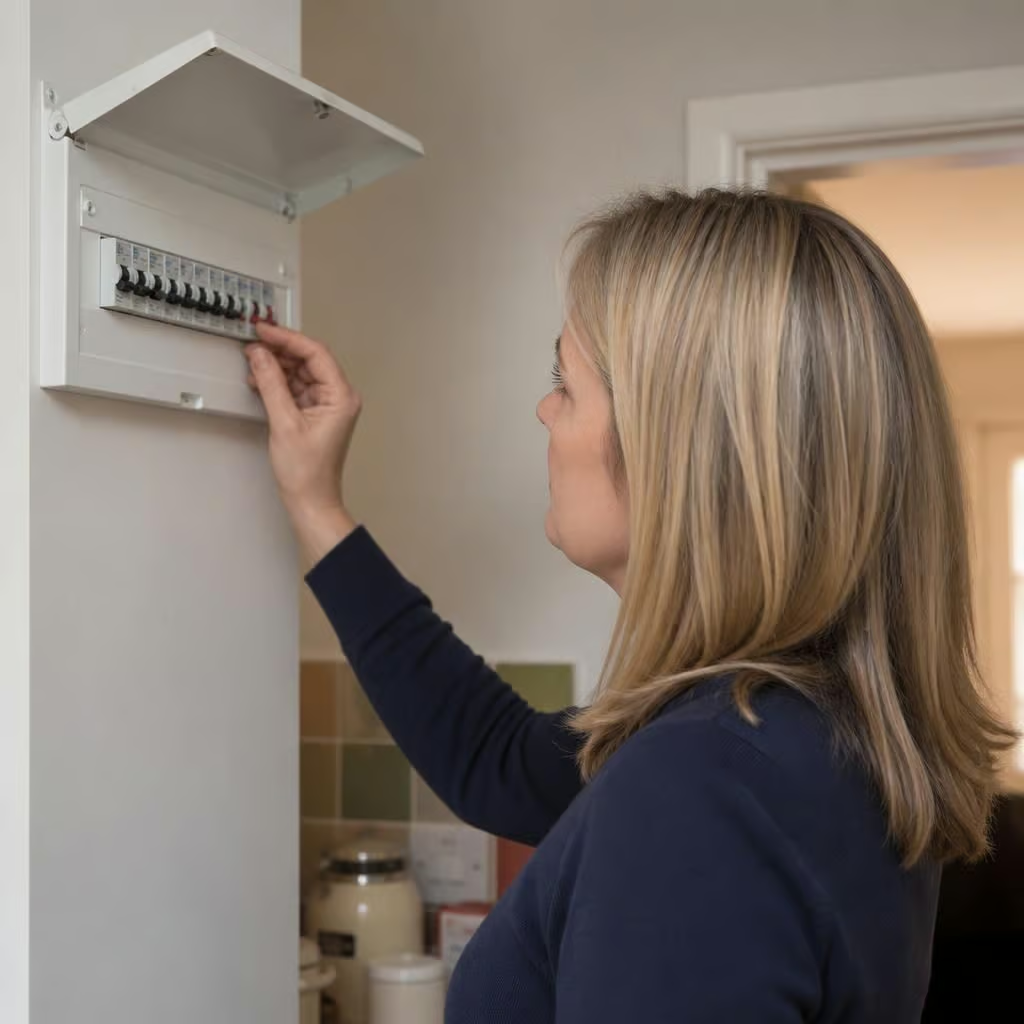
Move people away from the fault, switch off the affected circuit at the consumer unit only if it is safe, and don’t touch exposed wiring or damaged equipment. Note what happened and keep the consumer unit, sockets and affected area accessible so we can diagnose the fault safely.
Once immediate hazards are under control, leave the fault alone, gather useful information and make safe access available. Don’t try to find the fault by removing covers, testing wires or repeatedly resetting the breaker.
- Don’t reset the same circuit repeatedly. A breaker or RCD that trips again is indicating a continuing fault. Repeated resets can make the situation worse, particularly if a cable or appliance has been damaged.
- Keep suspect equipment disconnected from use. Don’t handle a damaged plug, socket, cable or appliance. If the item is already safely isolated, leave it where it is so we can inspect the fault without creating another hazard.
- Write down what happened. Note which circuit stopped working, what was running at the time and whether the fault followed rain, building work, a power cut or the use of a particular appliance. This often helps us narrow the search.
- Take a photograph only if you can do so safely. A clear photograph of the consumer unit labels, a damaged socket or an affected appliance can be useful. Don’t move furniture, remove covers or get close to anything hot, wet or damaged to take it.
- Tell us about electrical equipment that needs continuous power. This could include medical equipment, a heating control, a freezer or security system. We can take those priorities into account when assessing the fault and deciding what can safely remain in use.
- Prepare safe access to the electrical equipment. Make sure we can reach the consumer unit, meter and affected area. Unlock gates or doors where necessary, and move only ordinary household items that you can handle without going near the fault.
- Share relevant property information. Tell us about recent electrical work, an extension, solar panels, a battery, an EV charger or other power equipment. These systems have their own isolation arrangements, so don’t operate them unless we have given you clear instructions.
If you rent the property, contact the landlord or managing agent as well as arranging help, particularly if the fault affects fixed wiring or communal equipment. Keep any details they give you available for the electrician.
When we arrive, our NICEIC-registered electricians start by assessing the installation safely. We work out whether the fault is within a circuit, an appliance or another part of the supply, then explain what needs to happen next. That may mean repairing the fault, replacing a damaged component or leaving part of the installation isolated until further work is agreed.
You don’t need to diagnose the problem before calling. A clear account of what happened and safe access to the installation are usually the most useful preparations.
If nearby properties are also without power, the interruption may be outside your installation. From a safe position, note whether the wider area is affected and tell us when arranging the visit. That helps us distinguish an external supply problem from a fault within the property and direct you to the right organisation where necessary.