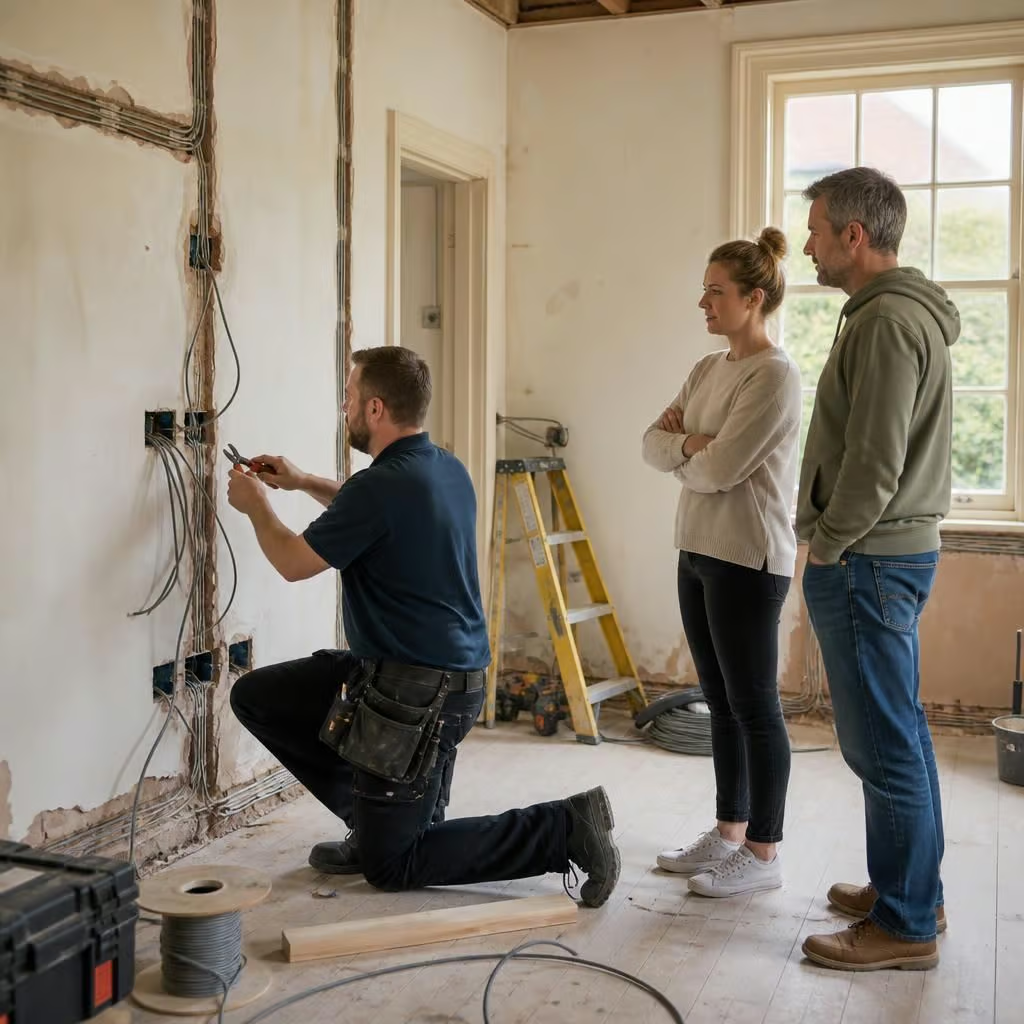
Can I stay in my older house during rewiring?
Often, yes, but rewiring is disruptive and you may need to leave while we isolate the electricity or work in key rooms. We’ll explain which areas need clearing, how we’ll keep the home safe and when each part of the work can be used again.
Staying in an older house during a rewire is often possible, but it depends on the size of the installation and how the work is sequenced. A full rewire can make parts of the house unsuitable at different stages, so we agree an occupancy plan before work starts rather than assuming every room will remain usable.
Your electrician first needs to understand how you use the house. We discuss sleeping arrangements, cooking, working from home, internet equipment, heating controls and any medical equipment that needs a continuous supply. That lets us identify essential circuits and decide whether you need to leave for particular stages.
A rewire usually progresses in sections. We may work through selected rooms, complete the wiring and make the circuits safe before moving elsewhere. This can leave you with access to part of the house, although the kitchen, bathroom, stairs or main entrance may become restricted while those areas are being worked on. The exact sequence depends on the existing wiring, the cable routes and the construction of the building.
Older houses often need more intrusive access than newer properties. Floorboards may need lifting, and we may need to open small sections of plaster or skirting to reach concealed cables. Furniture must move away from walls, and valuable or fragile items should be removed from rooms before we start. If the property has original plaster, exposed beams or other features that need particular care, tell us during the survey so we can plan access around them.
Power may be unavailable while we isolate and test circuits. You should not reconnect equipment or enter an area where cables, sockets or floorboards remain exposed. Children and pets need to stay away from the work area, even when tools are not being used. If someone in the household relies on electrically powered medical equipment, arrange an alternative supply before the work begins and tell us about it during the survey.
Cooking and refrigeration need particular thought. If the kitchen circuit is being replaced, you may need another way to prepare food for part of the project. We can explain when that circuit will be isolated, but you should not rely on a socket that has not yet been tested and returned to service. The same applies to electric showers, washing machines, heating controls and home-office equipment.
Dust and noise are usually manageable, but they cannot be removed completely. Chasing walls, lifting boards and drilling for accessories can disturb adjoining rooms. We protect working areas where practical, keep tools and materials together, and clear away debris as the installation progresses. You should still expect some cleaning and moving furniture back once each section is complete.
Staying becomes less practical when the whole house needs access at once, when the wiring is in very poor condition, or when the work affects the only kitchen, bathroom or heating controls. A house with vulnerable occupants may also need a more conservative plan. In those cases, temporary accommodation can reduce disruption and keep people away from unfinished work.
Before we begin, we explain which areas need to be clear, which services may be interrupted and what must remain untouched. We then test the completed circuits before bringing them back into use and provide the relevant certification for the finished installation. That gives you a clear basis for deciding whether to remain in the house or move out for part of the rewire.
If the house contains materials that may include asbestos, the question is not simply whether staying feels manageable. We stop and advise on the appropriate assessment before disturbing them, so the rewire does not continue through an unsafe area.
That can change the work sequence and the days on which particular rooms are available. We explain the implication before proceeding, rather than leaving you to discover it once the work has started.