
Will rewiring damage the original features of an older house?
Rewiring can disturb original features, but careful planning limits the damage. We use existing routes where possible, protect period details and explain any necessary lifting of floorboards, plaster or panelling before work starts.
Usually, no. A properly planned rewire should not damage an older house’s character, but it may involve limited access holes, lifted boards or small areas of disturbed plaster. The aim is to make those interventions as few and as easy to repair as possible, rather than pretending the work will leave every surface untouched.
The first step is to understand how the house was built. Solid masonry walls, suspended timber floors, roof voids and later extensions each need a different cable route. We inspect the existing installation, note fragile finishes and identify places where lifting or drilling could cause damage. That survey also shows where the new consumer unit, switches, sockets and lighting controls can sit without creating an awkward modern feature.
Older houses often give us useful hidden routes. Cables may pass through floor voids, cupboards, loft spaces or existing service openings. We use those routes where they are safe and suitable, instead of cutting long channels into valuable plaster or masonry. Floorboards are lifted only where access is needed, and we take account of their direction, fixings and condition before deciding how to reach the cable runs.
Some walls cannot be avoided. Chasing a solid wall for cables can disturb lime plaster, stonework or decorative surfaces, particularly where the wall has moved over time. In those areas, we discuss alternatives such as a route within a cupboard, loft space or floor void. A carefully positioned surface route may be less damaging than a concealed installation that requires extensive cutting. The least visible option is not always the least harmful one.
Listed status does not automatically prevent a rewire, but it can affect what may be altered. The local planning authority or conservation officer may need to approve work that changes historic fabric. We can identify likely concerns during the survey, but the property owner remains responsible for obtaining any consent that applies. Work should not begin in a protected area until the necessary permissions are clear.
Access around original joinery needs particular care. Removing a fixed cupboard, skirting board or panel can damage old timber and may make it difficult to refit neatly. We record what must stay in place and plan routes around it. Where an item has to be removed, we agree the method before work starts rather than forcing access on the day.
A rewire can also change the appearance of the electrical accessories. Standard white plastic sockets may look out of place beside older joinery, while decorative metal fittings may not suit every room or budget. We can discuss positions, finishes and plate styles before the quotation is finalised. Moving a socket a short distance may avoid a vulnerable section of plaster or preserve a more important feature.
Some damage is avoidable, but not all disruption can be removed. New cables need safe routes, and concealed wiring cannot always follow the path of the old installation. If an existing cable has been buried in an unsuitable place, retaining that route may create a safety problem. We explain where access will be needed, which surfaces may be affected and what other trades or repairs may follow.
Plaster repairs and decoration should be discussed separately from the electrical work. We can identify likely areas of disturbance and include agreed making-good responsibilities in the written quotation. Fine decorative plaster, lime finishes, wallpaper and painted joinery may require a specialist repairer. That is particularly important in a period home, where a modern hard repair can be more noticeable than the original access point.
During the work, we protect rooms and keep removed fittings and floorboards in order. Careful working matters, but so does knowing when to stop. If we uncover fragile plaster, unexpected voids, unsafe materials or evidence of an earlier alteration, we assess the route again rather than forcing the planned approach.
Some older properties contain materials that should not be disturbed without further checks. Textured coatings, insulation boards and other building products can contain asbestos. If a suspected material lies across a proposed route, we do not cut into it casually. The next step may be specialist testing or removal before the electrical work continues.
The finished installation should improve safety without making the house look newly built in the wrong way. The new wiring must still meet current electrical requirements, including suitable earthing, bonding, circuit protection and testing. We are NICEIC- and ECA-registered, so the work is inspected and tested as part of the installation, with the relevant electrical certification provided afterwards.
A sensible survey therefore weighs three things together: the safest cable route, the smallest physical intervention and a finished appearance that suits the building. The quotation should set out the access expected, the accessories selected, any likely making-good and what happens if concealed conditions change. That gives you a realistic view of the work before deciding how far to alter the house.
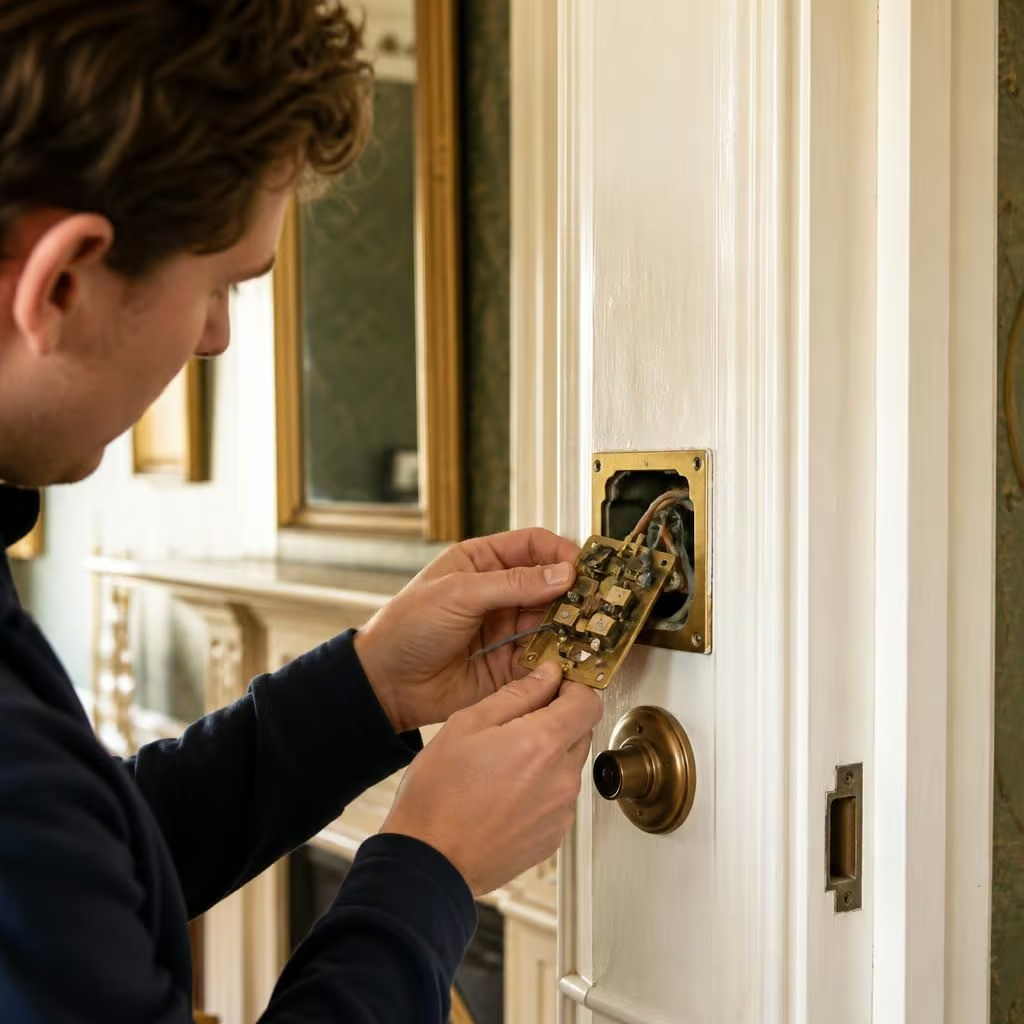
Original light fittings and switches don’t always need to disappear during a rewire. We inspect each one for damage, heat marks, earthing and compatibility with the new circuits. A sound fitting may be retained, while an unsafe item needs repair or replacement before it can remain in service.
That assessment helps preserve the details that matter without keeping outdated electrical parts simply because they look right. We record which fittings are to stay, agree any replacements before work begins and route the new wiring so those features can be refitted neatly.