
Can battery-powered equipment be included in PAT testing?
Yes. Battery-powered equipment can be included in PAT testing, with visual checks and appropriate electrical tests; its charger or power supply is tested separately where it connects to the mains.
The main point is that PAT testing applies to the equipment’s electrical risk, not simply to whether it runs from a battery. We assess the appliance, its charging arrangement and the way staff use it before selecting the appropriate checks.
Examples of battery-powered equipment that may be included are:
- rechargeable power tools and gardening equipment;
- laptops, tablets, phones and handheld scanners;
- cordless cleaning equipment;
- portable lighting and inspection equipment;
- kitchen and catering equipment with rechargeable batteries; and
- equipment supplied through a docking station, charging cradle or mains adaptor.
A device supplied only at a safe extra-low voltage may not need the same electrical tests as a mains appliance. In that case, we concentrate on its condition, battery compartment, casing, controls, leads and connectors. We also check that the equipment is suitable for its intended use and that its charging instructions are being followed.
The mains charger or power supply is assessed separately where it can be connected to a socket. That may include checks such as the condition of the flex and plug, earth continuity on an earthed charger, insulation integrity and polarity where appropriate. We choose tests according to the charger’s construction and the manufacturer’s instructions rather than applying the same test to every item.
A battery pack is not normally treated like a standard mains appliance simply because it stores electrical energy. We look for swelling, cracking, leakage, overheating, damaged terminals and signs of impact. A battery showing any of these defects should be taken out of service and handled in line with the manufacturer’s safety guidance. PAT testing does not confirm battery capacity, charging speed or remaining service life.
Rechargeable equipment can also present risks that a basic electrical test cannot identify. We consider damaged housings, blocked ventilation, exposed conductors, loose battery covers and unsuitable extension leads or chargers. For equipment used outdoors, in workshops or on building sites, the working environment forms part of the assessment.
Where a device fails a check, we identify the reason clearly and mark the item so it is not returned to use by mistake. A failed charger, damaged cable or defective battery may need repair or replacement. We do not treat a pass label as evidence that an appliance is safe indefinitely; staff should still report damage and remove suspect equipment from service.
The final record can distinguish between the battery-powered appliance, its charger and any related docking equipment. That gives the person responsible for the premises a clearer maintenance trail and avoids assuming that testing one part covers the others. We can also explain which items need retesting based on their use, condition and risk rather than relying on a blanket interval.
For workplace equipment, our NICEIC-registered electricians carry out the relevant electrical checks and provide the inspection records and labels needed for the site’s safety documentation. The result is a practical record of what was examined, what passed, and what needs attention.
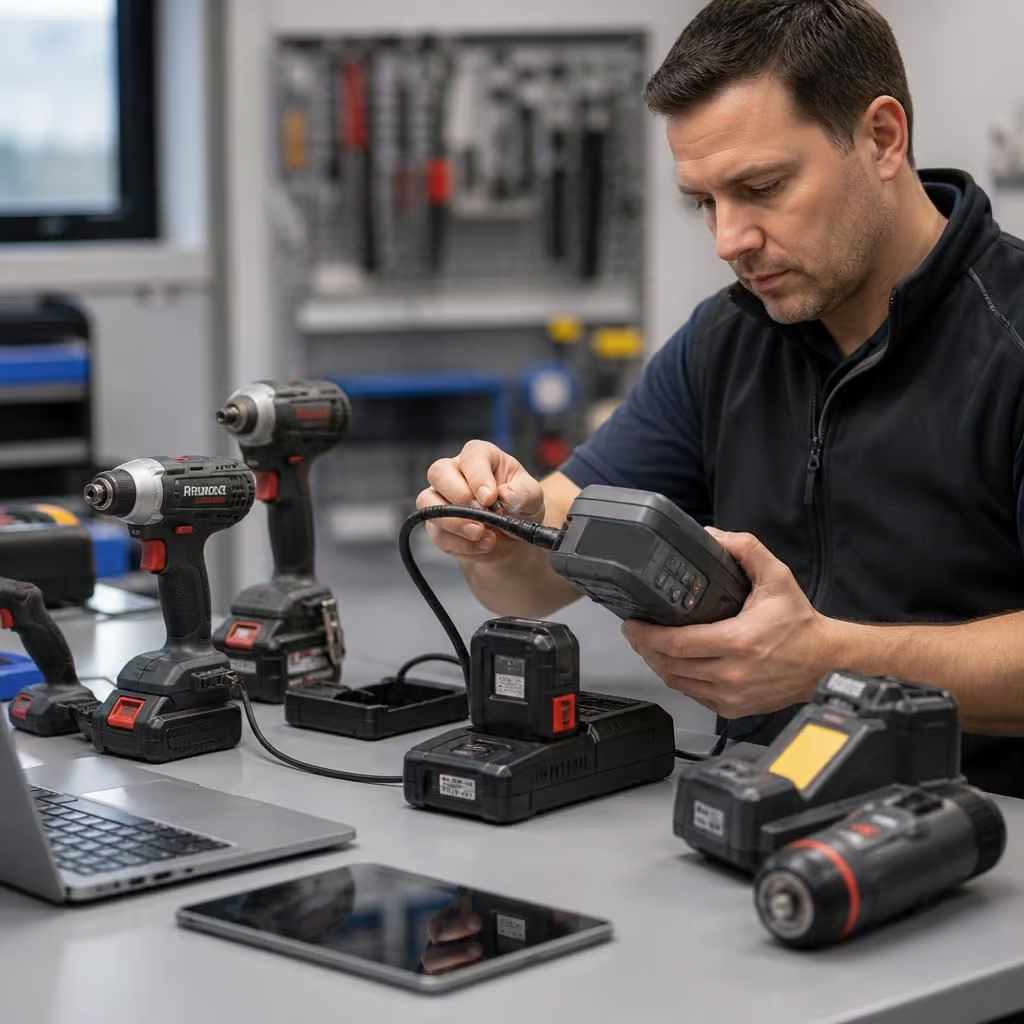
Battery-powered equipment is often moved between rooms, vehicles and work areas, so its condition can change after testing. A cracked casing, loose battery cover or damaged connector needs reporting even if the item previously passed.
We can help separate electrical test records from day-to-day checks. Staff then know what to look for before use, while the person responsible for the premises has a clear record of the formal inspection.