
Does PAT testing cover fixed appliances?
Usually, no. PAT testing covers electrical appliances that can be moved and connected by a plug; fixed appliances need inspection and testing as part of the building’s electrical installation, with suitable checks for the appliance itself where necessary.
Fixed appliances still need electrical safety checks, but they are not normally included in a standard portable appliance testing visit. Their safety is usually assessed through inspection and testing of the appliance, its connection and the circuit supplying it.
The important distinction is how the equipment is connected and used, rather than whether it has a switch or a plug. A built-in appliance that cannot be moved without tools is fixed equipment. An appliance that can be moved during normal use remains portable or movable, even if it is plugged into a socket.
Common examples of fixed equipment include:
- Built-in ovens, hobs and microwaves
- Extractor fans and fixed ventilation equipment
- Hand dryers and fixed hairdryers
- Immersion heaters and fixed water-heating equipment
- Dishwashers and washing machines installed beneath units
- Hard-wired pumps, heaters, fans and catering equipment
- Fixed workshop, commercial or agricultural machinery
A standard PAT schedule may include equipment that staff can unplug and move, but it will not normally test the fixed wiring, fused connection unit, isolator or appliance terminals behind a built-in unit. A PAT label on a nearby portable item does not confirm that the fixed appliance or its supply circuit is safe.
Fixed appliances may be checked in several ways. We start with a visual inspection for damaged cables, scorching, loose covers, signs of overheating, poor access and unsuitable connections. We then choose electrical tests that suit the equipment. These can include earth continuity, insulation resistance, polarity and protective conductor checks.
Some appliances contain electronic controls, heating elements, motors or surge protection. Applying the wrong test voltage can damage them or produce a misleading result. We therefore use the appliance instructions and the type of connection to decide how to test it. Where a conventional PAT test is unsuitable, inspection and circuit testing may provide the safer assessment.
The supply circuit matters as much as the appliance. If a built-in oven trips its protective device, the fault may be in the oven, the cable, the connection unit, the circuit protection or the wider installation. Testing only the appliance would not identify every possible cause. We may need to isolate the equipment, inspect the connection point and test the circuit from the consumer unit.
For fixed wiring, the relevant inspection is usually an Electrical Installation Condition Report, often called an EICR. An EICR examines the installation as a whole, including circuits that supply fixed appliances. It is different from a PAT record and does not remove the need to inspect equipment that may develop a fault through wear, contamination or heat.
Commercial premises often need both types of record. Portable items such as kettles, monitors and extension leads can be managed through a risk-based PAT programme. Fixed equipment can be listed separately, with inspection, testing, servicing or maintenance arranged according to its use and the manufacturer’s instructions.
There is no single testing interval that suits every fixed appliance. A cooker in a domestic kitchen has a different risk profile from a commercial fryer, a hand dryer in a public washroom or a pump in a farm building. We consider the environment, frequency of use, likelihood of damage, previous faults, user access and the consequences of failure before recommending what should be checked and when.
Portable appliance testing is not a blanket legal requirement for every item. The responsible person still needs to maintain electrical equipment so it remains safe to use. For landlords, employers and property managers, that means keeping suitable inspection and maintenance records and acting on defects rather than relying on a label alone.
If a fixed appliance fails an inspection, we record the defect and explain whether the equipment needs repair, replacement or further investigation. A damaged appliance should be isolated from use until the risk has been dealt with. We do not treat a failed item as passed simply because the surrounding PAT schedule is up to date.
Where fixed equipment forms part of a wider electrical installation, our NICEIC- and ECA-related electrical work covers the circuit, connections and protective devices as well as the appliance itself. That gives you a clearer record of what was examined and which items still need servicing by an appliance specialist.
Before arranging testing, make a list of the equipment that is built in, hard-wired or difficult to move. Tell us about any tripping, overheating, burning smells or previous repairs. We can then separate portable items from fixed equipment and explain which inspection or test is appropriate for each one.
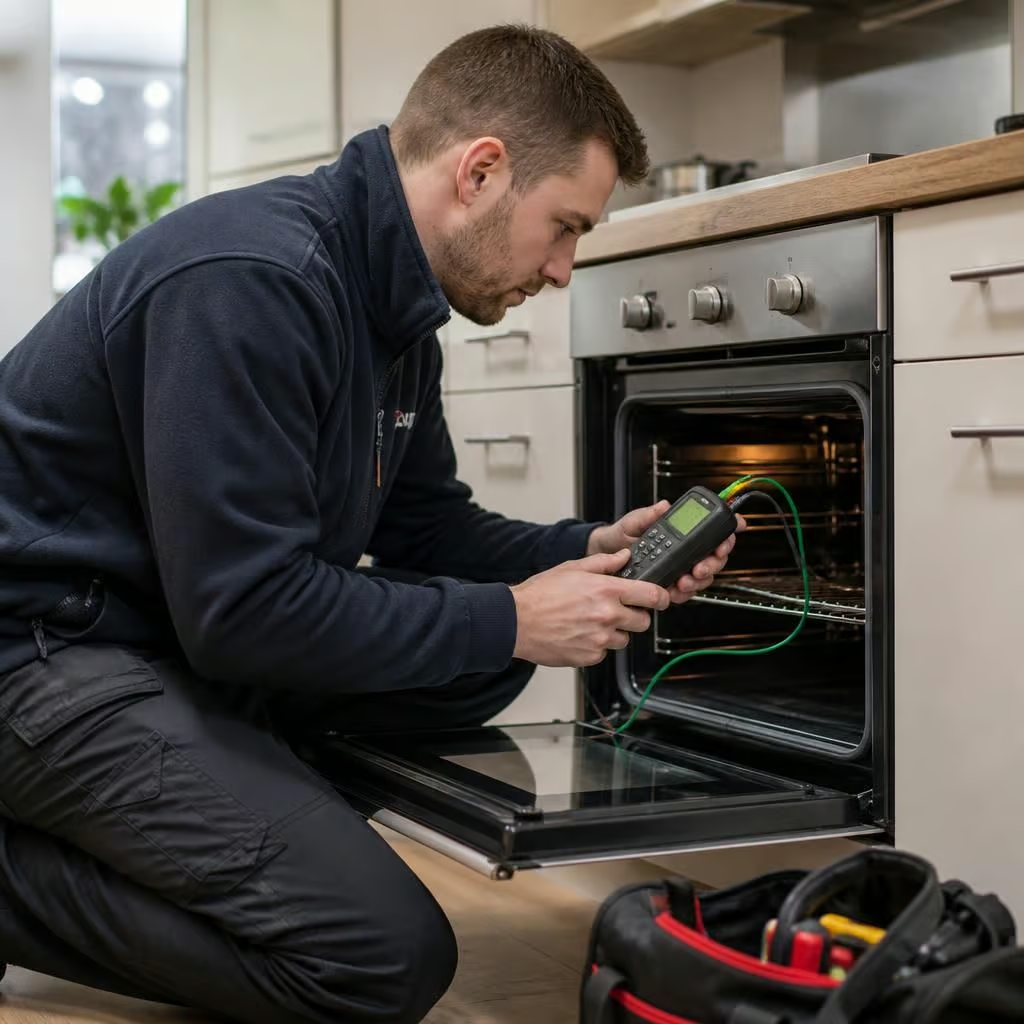
If a fixed appliance is included in an inspection, we identify it separately in the report rather than adding it to a portable appliance list. We record its location, connection method, visible condition and any limits on the testing carried out.
That detail tells you what the result actually covers. It also gives the next engineer a useful starting point if the appliance later develops a fault or needs repair. Any defect is described clearly, with advice on whether the item should be isolated, repaired or assessed by the appliance manufacturer.