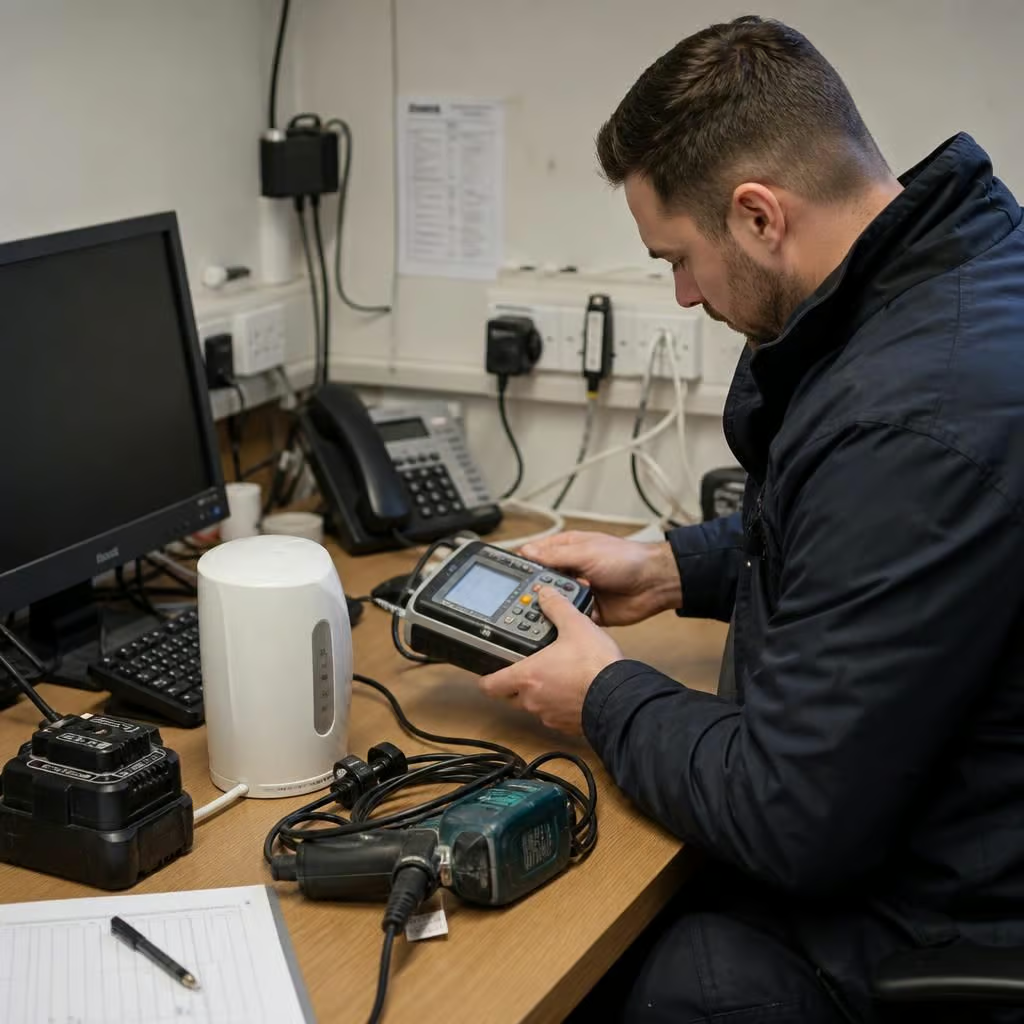
What information do you need to quote for PAT testing?
To quote accurately, we need an approximate appliance count, the types of equipment involved, their locations and any access restrictions. Details of the premises, working environment and existing PAT records also help us price the visit without guesswork.
The best PAT testing quote comes from a clear description of the premises, the equipment in scope and the records you need afterwards. We use that information to separate routine testing from work that needs extra preparation, reporting or follow-up.
Tell us what kind of property we’ll be testing and how it is used. An office, rented house, workshop, farm building, school or customer-facing premises can present different risks. We also need to know whether staff, tenants, contractors or members of the public use the equipment. That context helps us judge which appliances and leads need closer attention.
A simple appliance count may not show the full amount of work. Please group the equipment where possible, for example:
- computers, monitors, printers and other office equipment;
- kettles, microwaves, fridges and other kitchen appliances;
- extension leads, trailing sockets and portable chargers;
- power tools, workshop equipment and items used outdoors;
- lamps, heaters and appliances supplied in rented accommodation; and
- equipment stored in cupboards, plant rooms, sheds or other less accessible areas.
Some equipment needs a visual inspection only, while other items may need electrical testing. The plug, lead, casing, strain relief and signs of damage all matter. We’ll also consider whether an appliance is earthed or double-insulated, as that affects the checks carried out and the information recorded.
Let us know if the premises contain equipment that must remain in service. Computers, refrigeration, alarms, medical equipment and production tools may need a planned sequence rather than being disconnected all at once. We can then account for safe isolation and reconnection in the quotation, rather than finding the issue during the visit.
Photos can help when the equipment is spread across several rooms or buildings. A few clear images of storage areas, workshops, distribution points and unusual appliances can show us the layout and the condition of the equipment before we price the work. A floor plan or room list is useful where several people will help us identify items.
Tell us what happened at the last inspection if you have that information. Details such as overdue tests, damaged leads, missing labels, inaccessible items or a previous failure list help us plan the visit. We don’t need a perfect asset register to start a quote; even a spreadsheet, photographs or an older report can prevent duplicate work.
It also helps to explain what you want done with items that don’t pass. You may want a failed appliance labelled and removed from use, or you may want us to identify minor repairs for separate approval. We’ll keep testing and repair decisions clear, so a quotation does not assume that every failed item will be repaired.
Before we prepare the price, we’ll normally confirm these practical details:
- the address or addresses covered by the request;
- the number of buildings, floors or separate areas;
- whether equipment belongs to the property, tenants or another business;
- any restricted rooms, security procedures or site induction requirements;
- the person who can identify equipment and approve access;
- the preferred format for the asset record and report; and
- any deadline linked to a tenancy, insurance requirement, audit or handover.
Tell us if you need more than test labels. A quotation may need to include an updated appliance register, individual results, a list of failures, photographic evidence or a signed report. Giving us the required format at the start helps us include the right administration rather than treating it as an extra later.
We’ll confirm what the quotation includes, what falls outside the testing scope and what happens if equipment cannot be tested safely. You can then compare prices on the same basis and know what records you’ll receive when the work is complete.
It helps to separate portable appliances from fixed electrical equipment when you describe the job. PAT testing covers items that can be moved or disconnected, such as monitors, kettles, tools and extension leads. Fixed wiring, sockets and consumer units need different inspection work.
If you’re unsure where that boundary falls, send us a short equipment list or photographs. We’ll identify what belongs in the PAT testing quote and explain anything that needs separate attention, so the price reflects the work you actually need.