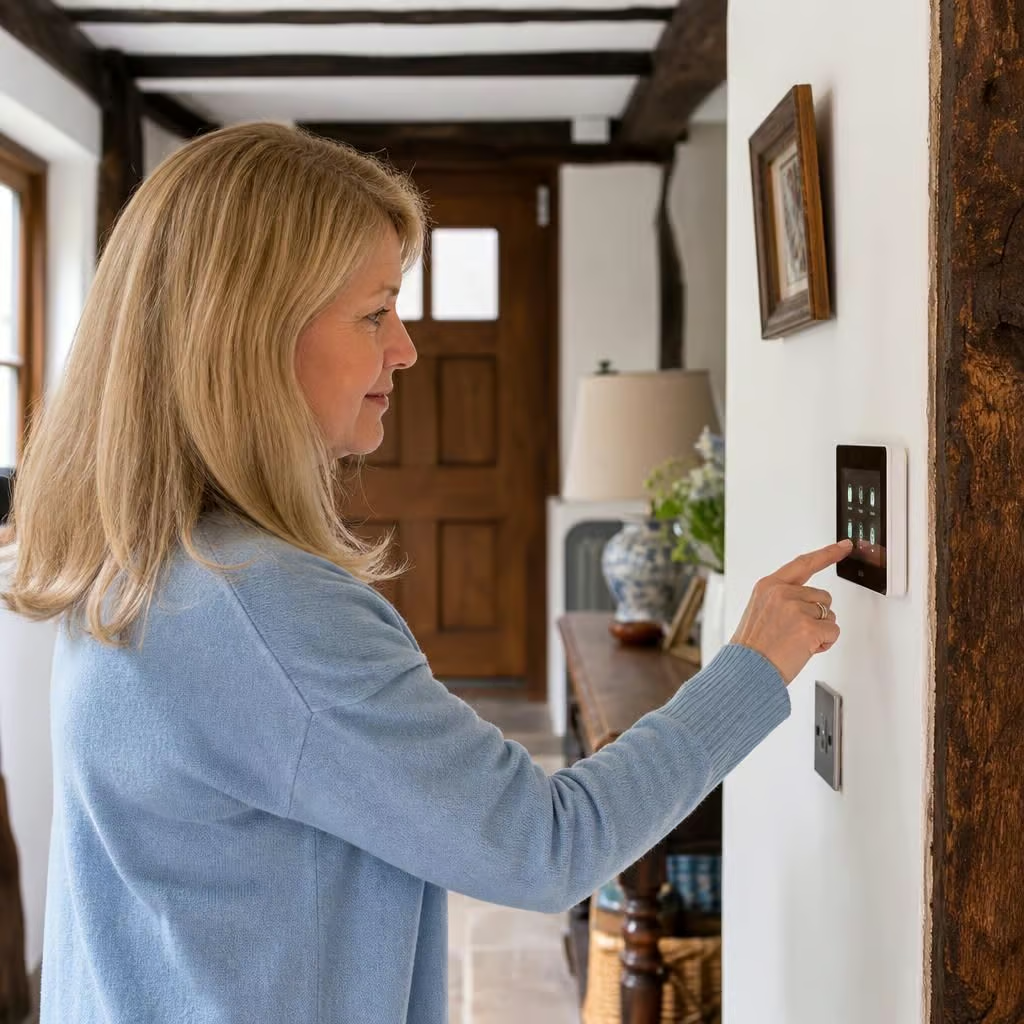
Is smart home automation suitable for an older property?
Yes. Older properties can usually accommodate smart home automation, provided we check the existing wiring, Wi-Fi coverage and compatibility of the chosen controls before installation.
Age alone does not rule out smart home automation. The important question is how the system will work with the building, the electrical installation and the way you use each room. A suitable design might use wireless controls, a small number of wired modules, or a combination of both.
Older properties often have features that need more careful planning than a modern house. Solid walls can weaken wireless signals. Thick floors and extensions can create dead spots. An older consumer unit may have limited spare capacity, while some lighting circuits may not contain the neutral wire needed by certain smart switches. We identify these constraints before recommending equipment, rather than assuming that every product will fit.
Your existing switches may also affect the choice. LED lamps can draw too little power for some dimmers, and older transformers may not work correctly with modern controls. Two-way lighting, outside lights and fittings with several lamps each need their own checks. We test the circuit and select compatible control equipment, so lights do not flicker, fail to switch or become difficult to operate manually.
A full rewire is not normally needed simply to add automation. Wireless sensors, battery-powered buttons and smart plugs can provide useful control without opening walls or lifting floors. Where a permanent connection is more dependable, we can install a wired module at a suitable point. This gives you practical automation while limiting decoration and building work.
Some older homes benefit from a wired backbone with wireless devices in individual rooms. This can suit a house with thick masonry walls or several separate wings. We assess signal strength around the property and place any additional network equipment where it will serve the system properly. A single router in one room may not provide reliable coverage across a stone house, outbuilding or converted barn.
Heating control needs particular care. An older boiler may use straightforward switched controls, while a newer appliance may need a compatible digital connection. A smart thermostat must also work with the receiver, programmer, zone valves and existing wiring. We check the complete control chain rather than fitting a thermostat in isolation. If the property has several heating zones, we explain what each zone can control and what would need changing to create more.
Room temperature can be misleading in an older building. A draughty hallway, a solid external wall or a room with a large stove may cause the sensor to read differently from the occupied part of the room. We discuss sensor positions and control habits before installation. The result should make the heating easier to manage, not cause the boiler to cycle unnecessarily or leave one part of the house uncomfortable.
Older electrical installations deserve a safety check before we add connected equipment. We look at earthing, protective devices, circuit condition and the available space in the consumer unit. We do not use automation equipment to hide a fault or compensate for wiring that needs attention. If we find a separate electrical issue, we explain it clearly and set out the work needed before the new controls can be connected safely.
Listed buildings and period properties bring an additional consideration. Internal wireless equipment can often reduce the need for visible cabling, but external cameras, doorbells, lights and aerials may affect the appearance of the building. Planning or conservation requirements can apply to some external changes. We help you distinguish between discreet internal additions and work that may need approval, so the installation does not create an avoidable problem.
Automation can also improve day-to-day use without trying to control everything. A hallway light can respond to movement, a bathroom fan can run from humidity, and heating schedules can follow the rooms you actually occupy. Door and window sensors can show whether a vulnerable opening has been left unsecured. Each function should have a clear purpose and a manual alternative when that is more convenient.
Reliance on the internet is worth considering in a rural property. Some systems send every command through a remote service, while others can carry out basic schedules or local commands within the home. We explain what continues to work if the broadband connection fails. A physical switch, local controller or direct heating control can be important for essential functions. A power cut is different: battery-backed equipment may preserve settings, but mains-powered lights, heating and network equipment will still need electricity.
Privacy also forms part of the suitability assessment. Cameras, microphones, occupancy sensors and door-entry equipment can collect information about people in the home. We discuss where devices should face, who can access the account and which functions can operate without recording more than necessary. Strong passwords, separate user access and sensible notification settings matter as much as the hardware.
The work can usually be planned around the parts of the house that matter most. We start with the rooms and tasks you want to improve, then trace the relevant circuits and consider wireless coverage. The installation may involve replacing switches, adding sensors, connecting a controller or adjusting heating controls. We keep cable routes as short and discreet as the property allows, and we avoid chasing historic plaster simply to create an unnecessary feature.
Cost depends on the number of rooms, the condition of the wiring, the type of control required and whether heating or security equipment is included. A small installation may involve a few connected devices. A larger project may need network improvements, new circuit protection, additional control modules and work across several systems. We provide a written quotation before work starts, with the proposed equipment and any preparatory electrical work set out separately.
Good automation should remain usable if the app changes or a visitor does not have a phone. We leave ordinary controls in place where practical and explain how to operate the system from the switches, controller and app. We also show you how to change schedules, add authorised users and reset a device without losing control of the rest of the house.
An older property is a good candidate when the proposed functions solve real problems and the installation respects its wiring, construction and appearance. A survey is worthwhile if you are unsure about wireless coverage, heating compatibility, listed-building restrictions or the condition of the consumer unit. We can then separate useful improvements from equipment that would add complexity without improving the way the home works.
An older home does not need to become fully automated to benefit from smart control. You can keep sound switches, fittings and heating equipment in place, then add control only where it improves daily use. That might mean managing the hall light, checking an outbuilding door or adjusting heating from one room.
Where a feature would require too much alteration to the building, we say so. We can plan the installation in stages, leaving the rest of the property unchanged until there is a clear reason to extend it. This keeps the system easier to understand and avoids spending money on functions you are unlikely to use.