
What cable size does a 3-phase EV charger need?
There isn’t one fixed cable size for a 3-phase EV charger: the choice depends on the charger’s current, cable length, installation method, voltage drop and other loads. We calculate the cable and protective device together, rather than choosing a size from the charger rating alone.
The cable must carry the charger’s maximum permitted current without overheating, excessive voltage drop or nuisance tripping. That means the correct size can only be chosen after we know the charger rating, route and installation conditions.
A 3-phase charger normally uses the three live conductors, with neutral and earth where the charger requires them. The supply cable is separate from the lead that connects the charger to the vehicle. We size the fixed supply cable for the charger’s full output, even if you usually charge at a lower setting.
The charger rating sets the starting point. An 11 kW charger draws less current on each phase than a 22 kW charger. The manufacturer’s installation instructions confirm the maximum current, terminal arrangement and protective requirements. We use those details rather than selecting a cable from the charger’s headline power alone.
The route can change the required size. A short cable clipped directly to a wall sheds heat more easily than one surrounded by insulation, enclosed in a conduit or grouped with other cables. A buried cable also needs suitable mechanical protection and a route that allows it to dissipate heat. We assess the complete route, including bends, ducts, walls and any sections passing through insulation.
Distance affects voltage drop. The longer the run from the distribution board to the charger, the more voltage the cable can lose. A cable that is adequate for a short garage installation may not be suitable for a long run to a detached outbuilding. Where the distance is substantial, we may select a larger cable so the charger receives the voltage it needs at the far end.
We also allow for the surrounding electrical load. The charger’s circuit must work alongside the cooker, heating system, immersion heater, workshop equipment and other large loads. The incoming supply and distribution board must be able to support the installation. If the property has a three-phase connection but limited available capacity, a larger cable alone will not solve that constraint.
- Charger current: the maximum current on each phase.
- Cable length: including the route between buildings where relevant.
- Installation method: clipped direct, enclosed, insulated, buried or grouped with other cables.
- Ambient conditions: heat, insulation and exposure that affect how well the cable can lose heat.
- Voltage drop: particularly important on long runs.
- Protective devices: the circuit breaker, RCD arrangement and other equipment must suit the cable and charger.
- Supply capacity: the property’s three-phase service and existing demand must be checked.
Load balancing can reduce the charger’s operating current when other equipment is running, but it does not automatically justify a smaller cable. We design the circuit around the charger’s permitted maximum and treat load management as part of the control system.
The cable may run from a new or upgraded distribution board rather than directly from an older consumer unit. If the existing board has no suitable spare way, inadequate protection or signs of heat damage, we explain what needs changing before the charger is connected. An older property may also need the route reviewed carefully where walls, outbuildings or buried services make installation more involved.
Before work starts, we provide a written quotation covering the cable route, protective equipment and any board alterations. On installation, we secure and label the circuit, connect the charger to the manufacturer’s requirements and test the completed work. We record the relevant electrical test results and explain how the charger’s current settings relate to the installed circuit.
Our NICEIC-registered electricians work to the requirements for EV charging installations, so the cable size, protective devices and test paperwork are considered together rather than as separate parts of the job.
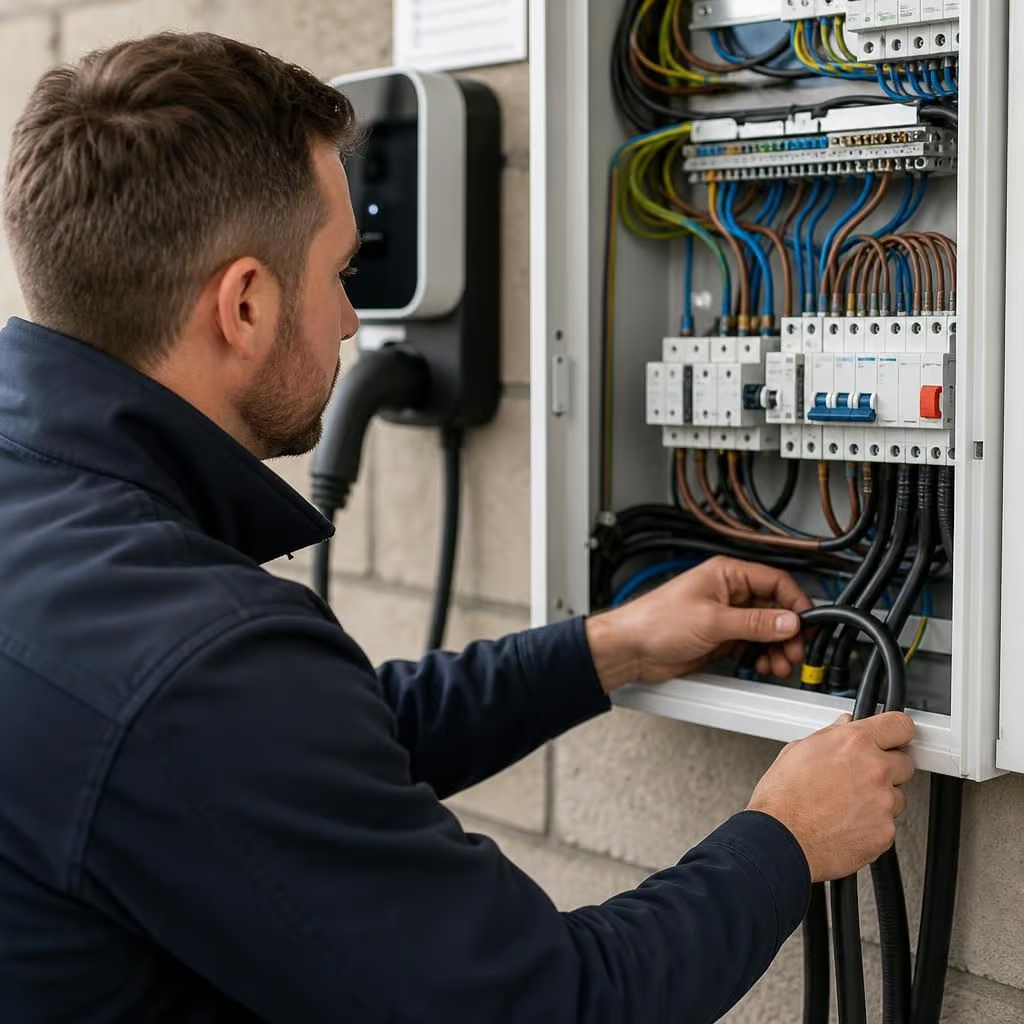
A cable can pass the calculation but still be difficult to install safely at its terminations. Your charger, distribution board and cable route must accept the cable’s size, bending radius and connection requirements.
We check the available space in the board and charger terminals before choosing the cable. That avoids forcing an oversized cable into unsuitable connections or creating unnecessary alterations. The finished circuit is then tested with the charger connected, so the installation records relate to the equipment actually in use.