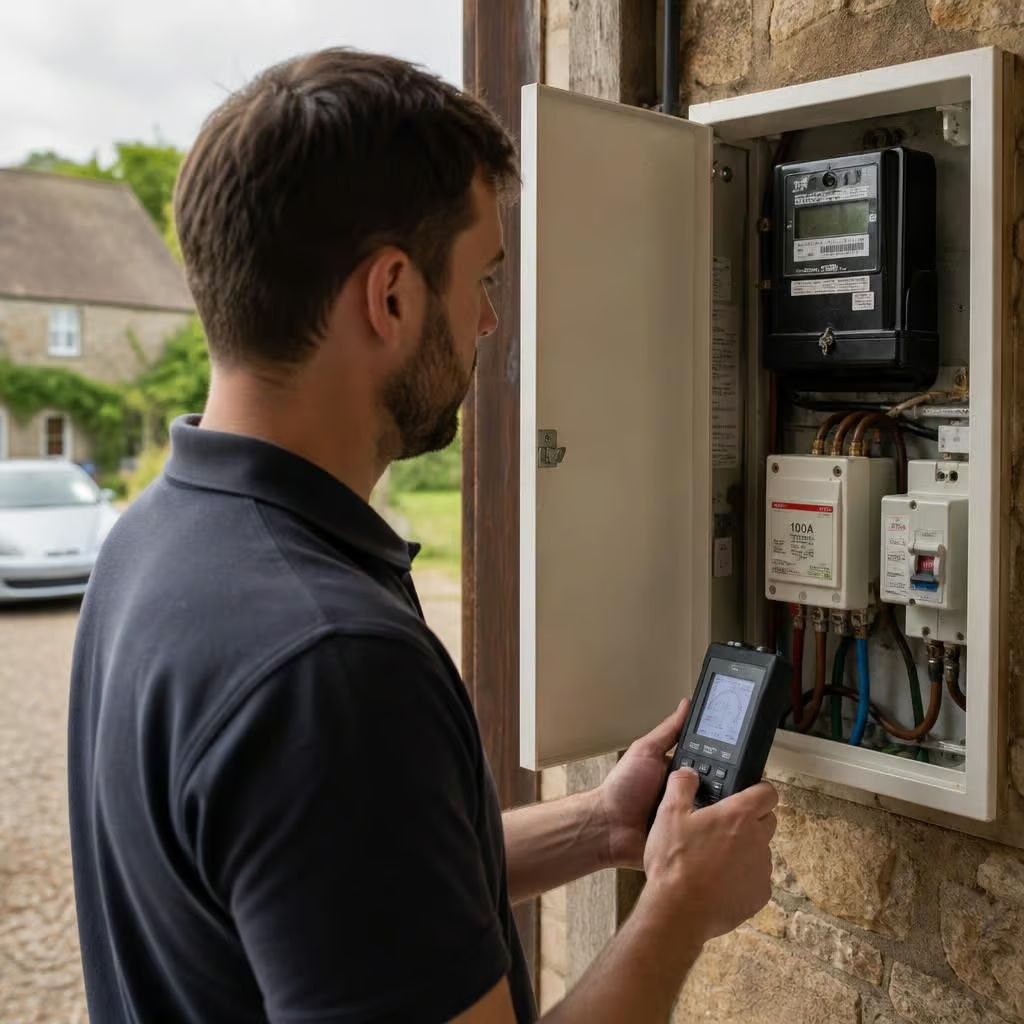
Does my home have the right electrical supply for a 22kW charger?
A 22kW home charger normally needs a three-phase electrical supply with enough spare capacity; most homes have a single-phase supply, which cannot deliver the charger’s full output. We check the incoming supply, consumer unit and proposed cable route, then explain whether an upgrade is needed or whether a 7kW charger is the practical option.
In most homes, no. A 22kW charger normally needs a 400V three-phase supply, with the charger drawing about 32 amps from each phase. Most domestic properties have a single-phase supply, so the available electricity arrangement matters more than the age or size of the house.
A three-phase supply does not automatically mean that a 22kW installation will be approved. The property must also have enough spare capacity after allowing for the heating system, cooker, immersion heater, workshop equipment, solar installation and other large electrical loads. The local distribution network operator may need to confirm that the connection can support the additional demand.
What we establish during the assessment
- Whether the property has single-phase or three-phase electricity.
- The rating of the service fuse and the capacity available to the property.
- Whether the meter tails, main switch and distribution board are suitable for the additional circuit.
- Whether the earthing arrangement and protective devices are appropriate for an EV charging installation.
- How far the charger is from the electrical intake, and what cable route the installation will need.
- Whether the proposed charger can be connected without compromising the rest of the home’s electrical safety.
The service arrangement is not always obvious from the consumer unit. We confirm it from the electrical intake and meter position rather than relying on the appearance of the board. Rural properties, converted buildings and older homes can have unusual arrangements, long cable runs or supplies shared between separate parts of a building.
Your car may not use 22kW
A 22kW charge point only provides 22kW when the vehicle can accept it. Many electric cars have a lower-capacity onboard AC charger, so they will charge at their own maximum rate even when connected to a higher-rated unit. We check the vehicle’s AC charging specification before recommending the larger charger.
If the car cannot accept 22kW, a three-phase installation may offer little practical benefit. A 7kW single-phase charger can be the more sensible choice, particularly where the property has no three-phase supply and the car’s onboard charger cannot use the extra capacity.
When the property has a single-phase supply
A single-phase supply does not prevent home charging. It usually means that a 7kW charger is the appropriate option, subject to the property’s available capacity and the proposed circuit. We can also assess whether load management will allow charging alongside other high-demand equipment.
Load management monitors the home’s demand and reduces the charger’s output when other equipment is using more electricity. It can help avoid exceeding the supply’s limit, but it does not create a three-phase supply or turn a 7kW connection into a 22kW one. We explain the effect on charging time before you choose that arrangement.
When a three-phase supply is available
We still need to confirm how the phases are distributed and whether the proposed circuit can be protected correctly. Existing three-phase equipment may already use much of the available capacity. The charge point also needs the correct isolating, protective and switching equipment, installed in a position that remains accessible for maintenance.
Some installations need approval from the distribution network operator before work can proceed. We identify that requirement during the assessment and explain what it means for the installation rather than treating the supply as suitable simply because three phases are present.
Older and rural properties
An older house may have a supply that has served the property for decades without supporting a high-power vehicle charger. Barn conversions and properties with outbuildings can also have long underground cable runs, separate consumer units or supplies serving more than one building. We trace the proposed route and consider the existing arrangement as a whole.
Where the property is off the gas grid, an oil boiler, immersion heater or electric heating system may already create substantial demand. Solar panels and battery storage can affect how the system is designed, but they do not remove the need to check the grid connection and protective equipment.
If the supply needs changing
There are several possible outcomes. We may recommend a lower-powered charger, a managed charging arrangement, or an application to upgrade the electricity supply. A supply upgrade can involve work at the service intake as well as changes within the property, so we set out the likely electrical work and any third-party involvement before you decide.
We do not assume that an upgrade is worthwhile. We compare the available charging rate with the vehicle’s capability, your normal charging pattern and the disruption involved. If a simpler charger meets the way you use the car, we will explain that clearly.
For the installation itself, we provide a written quotation before work starts. The quotation sets out the charger circuit, cable route, protective equipment and any identified supply work, so you can see what is included before making a decision. Our electrical work is carried out by NICEIC-registered electricians, with the installation tested and the relevant paperwork provided when it is complete.
The useful evidence to have ready is the car’s maximum AC charging rate, a photograph of the meter and consumer unit, and details of any electric heating, solar PV, battery or workshop equipment. We can then focus the assessment on whether the supply, the property and the vehicle are a sensible match for a 22kW charger.
A large service fuse does not mean that 22kW is automatically available for charging. Its rating shows the maximum the supply is designed to carry, not the capacity left after the home’s existing demand.
That distinction matters in homes with electric heating, workshops, pumps or outbuildings. We use the supply details and the property’s electrical loads to work out whether a 22kW charger can be added sensibly. If the available capacity is limited, we’ll explain the practical effect of managed charging or a supply change before you commit to the installation.