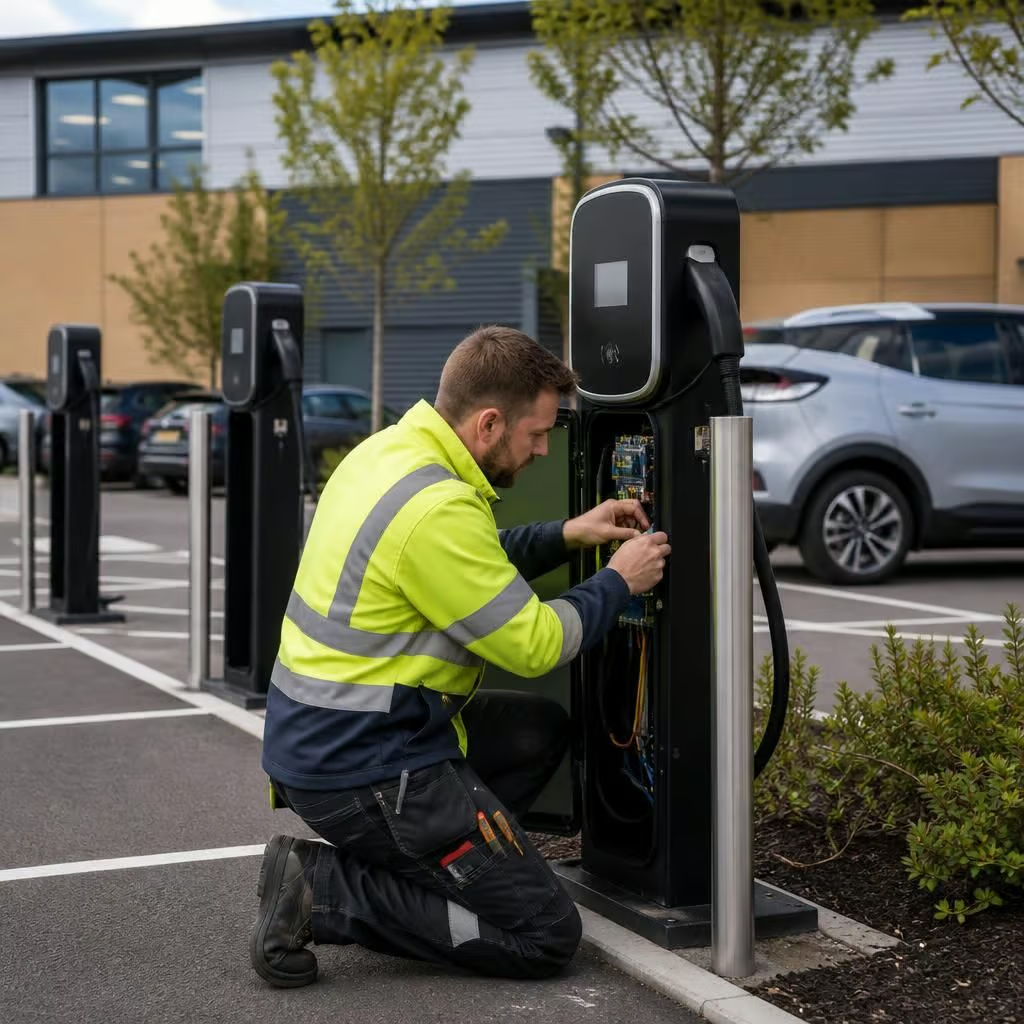
How long does commercial EV charging station installation take?
Commercial EV charging station installation can range from a straightforward installation visit to a longer project involving electrical upgrades, groundworks or a network connection. We confirm the likely timescale after surveying the site, checking available power and agreeing any planning, access or groundwork requirements.
There is no reliable fixed timescale for a commercial EV charging project. The survey determines the programme by confirming the available electrical capacity, cable routes, ground conditions and how drivers will use the stations.
A site with spare capacity, short cable runs and suitable mounting locations has fewer stages to coordinate. A site needing a new connection, additional capacity, excavation or approval takes longer because those tasks must be completed before the chargers can be commissioned.
The main stages are:
- Initial discussion: We establish how many vehicles need charging, when they are on site, where drivers park and whether charging is for staff, visitors, tenants or the public.
- Site survey: We inspect the incoming electrical supply, distribution boards, earthing, cable routes, parking layout and proposed charger locations. We also identify obstacles such as tarmac, concrete, drainage, landscaping and access routes.
- Design and quotation: You receive a written proposal setting out the equipment, cable routes, protection, groundworks and any electrical changes. This makes it clear which work is included before the project begins.
- Approvals and preparation: If the supply needs a new connection or greater capacity, the distribution network operator may need to assess the request. Planning requirements, landlord consent, site access and any groundworks also need arranging where they apply.
- Installation: We install the electrical protection, cabling, chargers, bases, bollards and signage included in the design. The time on site depends on the number of charge points and how difficult it is to reach each parking bay.
- Testing and handover: We test the installation, configure the charging equipment and explain its operation. If the site uses payment or charge management software, the account, access rules and pricing also need to be set up.
What can extend the programme?
Limited electrical capacity is a common reason for extra work. A commercial building may have enough power for lighting and office equipment but not enough spare capacity for several vehicles charging together. We assess the existing supply rather than assuming the main intake can support the proposed load.
Where the available capacity is restricted, the design may need load management. This controls charging demand so the site does not exceed its agreed supply. It can reduce the need for a larger connection, but we need to understand the vehicles’ parking times and charging requirements before deciding if it is suitable.
Long or difficult cable routes also affect the installation. A charger beside the main electrical intake is simpler to connect than one across a yard, car park or separate building. We may need ducts, protective containment, additional distribution equipment or changes to the parking layout.
Groundworks add another part to the programme. New bases, trenches, ducting and reinstatement need planning around the surface, drainage and vehicle access. Concrete, tarmac and landscaped areas require different methods, and the site may need to keep parts of the car park available during the work.
The number and position of chargers matter as much as the charger rating. Several bays may share a cable route, or each unit may need a separate run from the distribution equipment. A phased installation can make sense if the site wants to start with a smaller number of bays and expand later.
Public or managed access introduces configuration work beyond the electrical installation. A workplace may need staff access rules, while a landlord or public site may need payment handling, user instructions and clear bay signage. We confirm these requirements before equipment is ordered so the installed system matches the way the site operates.
Our NICEIC and ECA electrical experience covers the inspection, protection, cabling and testing needed for a commercial installation. The finished work is tested before handover, with the relevant information provided for the person managing the site.
The most useful way to establish a timescale is to survey the site before choosing the charger model or installation date. A few photographs can help with an initial discussion, but they cannot confirm buried services, incoming supply capacity or the condition of existing equipment. Once we have inspected those points, we can separate the work that can happen during the installation from the approvals, supply upgrades or groundworks that need to happen beforehand.
The installation date is easier to hold when the design is agreed before equipment is ordered. Changes to bay positions, cable routes or access rules can affect materials, permissions and testing. We record these details during the survey and confirm them in the quotation.
A live workplace or managed car park also needs a clear work sequence. We plan how vehicles and pedestrians move during each stage, and can separate excavation, electrical installation and commissioning when that reduces disruption. This gives the site manager a clear view of when each area is affected.