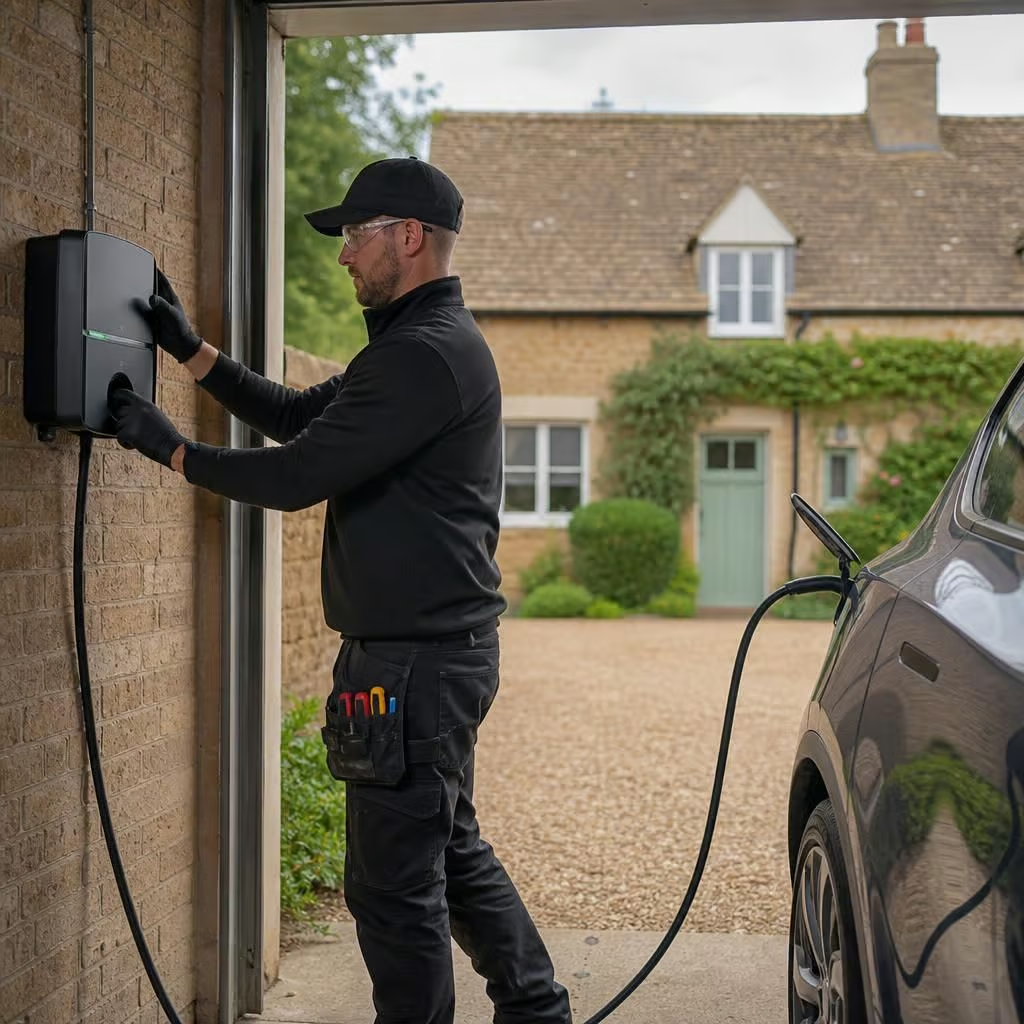
How disruptive is EV charger installation?
Most EV charger installations cause limited disruption: we agree the cable route, make the necessary wall openings, connect the charge point and test it.
If the existing consumer unit or cabling needs upgrading, we’ll explain the extra work before installation starts.
For a straightforward installation, the disruption is usually limited to a short period without electricity, drilling for fixings and routing the supply cable. The amount of work depends mainly on the distance between the consumer unit, charger and parking space.
Before installation
Your charger position affects almost every part of the job. During the assessment, we look at the parking arrangement, the cable route, the consumer unit, the earthing and the condition of the wall where the charger will be mounted. We also check whether the existing electrical installation can safely support an EV charger.
A charger close to the consumer unit and external wall usually means less cable and fewer fixings. A longer route through a loft, garage or outbuilding takes more planning. If the cable needs to cross a driveway or garden, we discuss the practical options before work begins rather than leaving the decision until installation day.
Older properties do not automatically make the work more disruptive. Solid walls, barn conversions and outbuildings can affect the best route, but surface-mounted cable containment may avoid unnecessary chasing or damage. Where the appearance of the building matters, we agree how the cable will be positioned and finished.
We provide a written quotation before work starts. It sets out the proposed equipment, cable route and any additional electrical work, so the likely scope is clear before you make a decision.
What happens on the day
- We confirm the charger position and cable route with you before starting.
- We protect the working area and isolate the relevant electrical circuits.
- We drill the required wall fixings and route the supply cable between the consumer unit and charger.
- We install the protective equipment, connect the charger and complete the electrical checks.
- We commission the unit and explain its basic operation before leaving.
The main interruption inside the house is the power isolation needed to work safely at the consumer unit. It may affect lighting, heating controls, internet equipment or appliances connected to the circuits being isolated. We explain when this is needed, and you can plan around it if you work from home or have equipment that must remain powered.
Drilling is normally limited to the holes needed for the charger and cable fixings. Cable containment can be installed neatly on the surface where chasing the wall would create more dust, damage or repair work. If a concealed route is preferred and the building allows it, that can involve more making-good afterwards.
When the consumer unit needs attention
Your existing consumer unit may not have the protection required for an EV charging circuit. In that case, we may need to add suitable protective equipment or discuss an upgrade before the charger can be commissioned. The work then involves more time at the consumer unit and a longer period with the power isolated.
This is not a fault with the charger. It is a safety issue with the electrical installation supplying it. We explain what we find and why it matters, rather than connecting new equipment to an installation that needs attention first.
When the route is more involved
A charger on the opposite side of the property, a detached garage or a distant parking space can require a longer cable route. External walls, loft spaces and outbuildings may need additional fixings or cable protection. If the cable must be buried beneath a drive or other hard surface, groundworks will create more disruption than a wall-mounted route.
We identify these issues during the assessment. You can then compare the proposed route with alternatives, including a different charger position or a less invasive surface route. We do not treat the shortest route as the only consideration; access, appearance, future maintenance and safe cable protection all matter.
After the installation
Once the charger is connected, we test the circuit and charging equipment. We remove installation waste and leave the work area tidy. You receive the relevant paperwork and an explanation of the controls you need to use.
Our electricians are NICEIC-registered, so the electrical work is carried out by engineers working to the required safety standards. If the installation reveals a wider issue, we separate that from the charger work and explain the choices before carrying out anything additional.
In short, a simple route usually means limited drilling and one planned power interruption. Longer cable runs, difficult access, consumer unit changes or groundworks increase the disruption. A proper assessment gives you a clearer view of the work before the installation begins.
If the charger is going on a side wall, garage or outbuilding, clear the route before we arrive. Move stored items away from the consumer unit and charger position, and make sure we can reach any loft, driveway or garden access needed for the cable.
This avoids delays and means we can keep equipment, fixings and cable runs within the agreed working area. You won’t normally need to empty the room or move out of the property, but we’ll tell you in advance if access or electrical isolation needs extra planning.