
How disruptive is installing an EV charger at home?
For most homes, installing an EV charger involves drilling for the cable, fixing the unit and connecting it to the consumer unit, so disruption is usually limited to that route. If the cable needs to cross walls, floors or paving, we explain the work beforehand and leave the area tidy when the installation is complete.
For most homes, installing an EV charger is a contained job rather than a major building project. The main interruption comes from drilling, running the supply cable and temporarily switching off the electricity while we connect and test the charger.
The amount of work depends on how far the charger is from the consumer unit and how easily we can reach the cable route. A charger on an external wall near the consumer unit generally involves less work than one at the far side of the house, on a detached garage or beside a separate parking area.
Before installation, we look at the construction of the property as well as the electrical system. A brick or block wall may need a clean cable entry point. A solid-wall, listed or barn-conversion property may need a more carefully considered route to avoid unnecessary damage. If the cable has to cross a loft, outbuilding or external wall, we explain how we intend to run and protect it.
Where a cable can run through an accessible internal space, we keep the route as short and unobtrusive as practical. If surface-mounted cable or conduit is the better option, we position it neatly and choose a route that avoids doors, walkways and areas likely to be damaged. We discuss the visible parts with you before drilling or fixing anything.
Driveways and detached garages can involve more disruption. The cable may need to travel around the outside of the house, pass through a garage wall or cross ground between buildings. If excavation is needed, we identify that before work starts rather than discovering it on installation day. The surface, access and route all affect how much preparation is required.
Older homes can need additional electrical work before a charger is connected. We check the earthing arrangement, protective devices, consumer unit and available capacity. If the existing board cannot safely support the charger, we explain whether it needs an upgrade or whether an alternative arrangement is appropriate. That may create extra work indoors, but it prevents the charger from being added to an unsuitable installation.
During the installation, you may need to keep clear of the working area and avoid using the electrical supply for part of the job. We protect floors and nearby surfaces while working indoors, keep tools and materials together, and avoid leaving loose cable or open electrical parts unattended. The charger is fixed securely, the cable is connected, and the installation is tested before we finish.
Testing is an important part of the work, not an optional final check. We verify the charger’s protective measures and confirm that it communicates correctly with the vehicle or its control system. If the charger uses an app or home network, we can explain the setup required for monitoring and charging controls.
There are a few practical effects to plan for:
- Your normal parking space may be unavailable while we work around the wall, driveway or garage.
- The electricity may need to be switched off temporarily, so equipment such as alarms, routers or medical devices may need consideration.
- Drilling can create some noise and dust, particularly where the charger is fixed to masonry.
- A longer cable route may mean visible conduit, additional fixings or work through more than one part of the property.
- Groundworks, difficult access or electrical upgrades can extend the work beyond a straightforward wall-mounted installation.
We set out any foreseeable extra work in the written quotation before installation begins. You can then decide whether the proposed position and route are acceptable, or whether changing the charger location would reduce the work. We do not treat a standard installation as permission to add avoidable disruption.
After the charger has been commissioned, we remove installation materials and check the area with you. The result should be a safe, tested charger with its cable route understood, rather than an unfinished electrical job that leaves you working out what has changed.
Our electricians carry out the electrical work in line with the requirements for domestic EV charging installations. NICEIC and ECA registration means the electrical design and testing are handled by an appropriately assessed electrical contractor, which matters most when the charger is connected to an older or altered home installation.
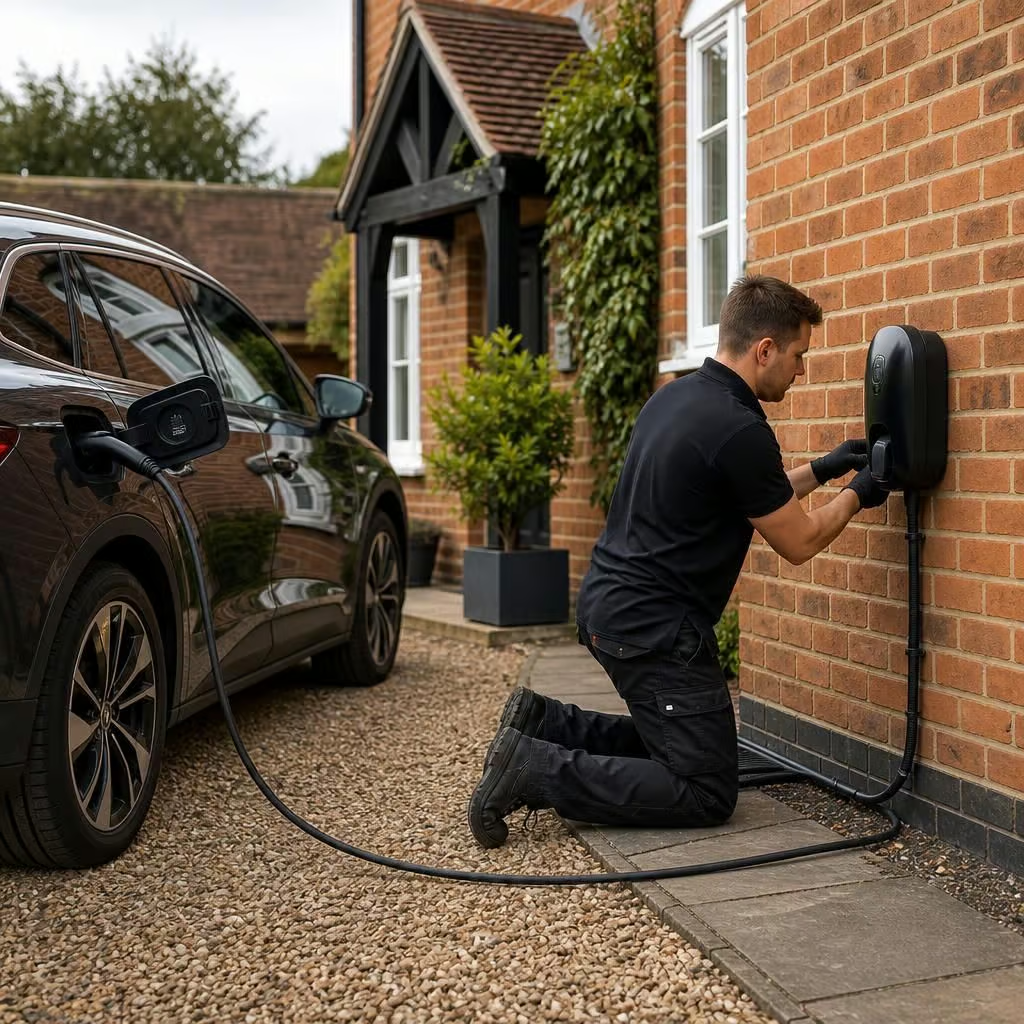
If the charger is positioned where the cable reaches the car without crossing a doorway or walking route, the installation causes less disruption after we leave. We agree the parking position and cable reach before fixing the unit, rather than choosing a wall location that creates a daily trip hazard.
This matters particularly when the parking space is beside a narrow path or shared drive. A slightly different position may give a cleaner route and avoid moving the cable across areas used by people, pets or vehicles.