
What disruption should we expect during EV charger installation?
Expect some drilling, cable routing and a brief interruption to the electricity supply while we connect and test the charger; the total installation time depends on the cable route and any consumer-unit work needed. We agree access and parking arrangements beforehand, then keep the work area contained and leave it tidy.
Most home EV charger installations cause limited disruption, but the work can affect parking, access and power to part of the house while we install and test the equipment. The amount of work depends on the charger position, the route back to the consumer unit and whether the existing electrical installation needs changes.
Before installation, we look at the points that determine how disruptive the work will be:
- Charger position: A charger close to the consumer unit usually needs less cable and fewer internal alterations. A detached garage, far-side wall or parking space away from the house may need a longer route.
- Cable route: We consider external walls, loft spaces, cupboards, garages and other areas that the cable may need to pass through. The route must be safe, accessible for maintenance and acceptable to you.
- Wall and ground conditions: Brick, stone, rendered walls and older construction can all affect the drilling and fixing method. If the cable needs to cross a driveway, garden or other hard surface, we explain the work before it starts.
- Existing electrics: The consumer unit, earthing, cable capacity and available electrical supply all affect the installation. An upgrade may be needed if the existing equipment cannot safely support the charger.
That assessment matters in older homes. Solid walls, outbuildings and long runs between the parking space and the house can make a neat installation more involved than fixing a charger beside a modern garage. We identify those issues before work begins rather than discovering them halfway through the installation.
On the day, the work normally centres on four activities. We mount the charge point, route and secure the supply cable, connect it to the electrical installation and carry out the required checks. There may be drilling through a wall, lifting or moving small sections of fittings, and access through rooms or cupboards along the chosen route.
Part of the home’s electrical supply may need to be isolated while we connect and test the charger. This can affect lights, sockets or appliances for a period during the work. We explain which areas are affected before we isolate anything, so you can plan around it.
Your car may also need to be moved before work starts. The working area must remain clear around the charger position, cable route and consumer unit. If the charger is near a parking bay, that space may not be usable while we drill, fix equipment or test the connection. Where access is shared, we discuss the practical arrangements with you beforehand.
Some installations need more than surface-mounted cable. If the safest route involves a trench or changes to a driveway, paving or garden surface, we explain what has to be opened and how the route will be reinstated. The extent of any making-good depends on the surface and the route agreed during the survey. It should not be assumed that every installation includes building or landscaping work.
An electrical upgrade can add work before the charger itself is connected. This might involve changes at the consumer unit, improved earthing or replacement of unsuitable components. We explain why the change is needed and separate it from the charger installation, so the scope of the work is clear.
We aim to keep the affected area contained. We use the agreed route, protect nearby working surfaces and avoid leaving loose cable or materials in circulation areas. Once the physical work is finished, we test the installation and provide the relevant paperwork. The charger should not be used until those checks are complete.
If the proposed route would create unnecessary damage or an awkward cable run, we discuss alternatives before drilling. A different charger position, a revised route or additional electrical work may reduce disruption, but it can also change the installation cost. You can then decide how you want the work to proceed.
Our NICEIC- and ECA-registered electricians assess the charger as part of the wider electrical installation, not as an isolated wall fitting. That is particularly important where the property has older wiring, an outbuilding supply or a consumer unit that has been extended over time.
For an accurate expectation of disruption, the useful information is the proposed charger location, where the car will park, the position of the consumer unit and any preferred cable route. We use those details to explain what access we need, what may be isolated and whether any additional electrical work is likely.
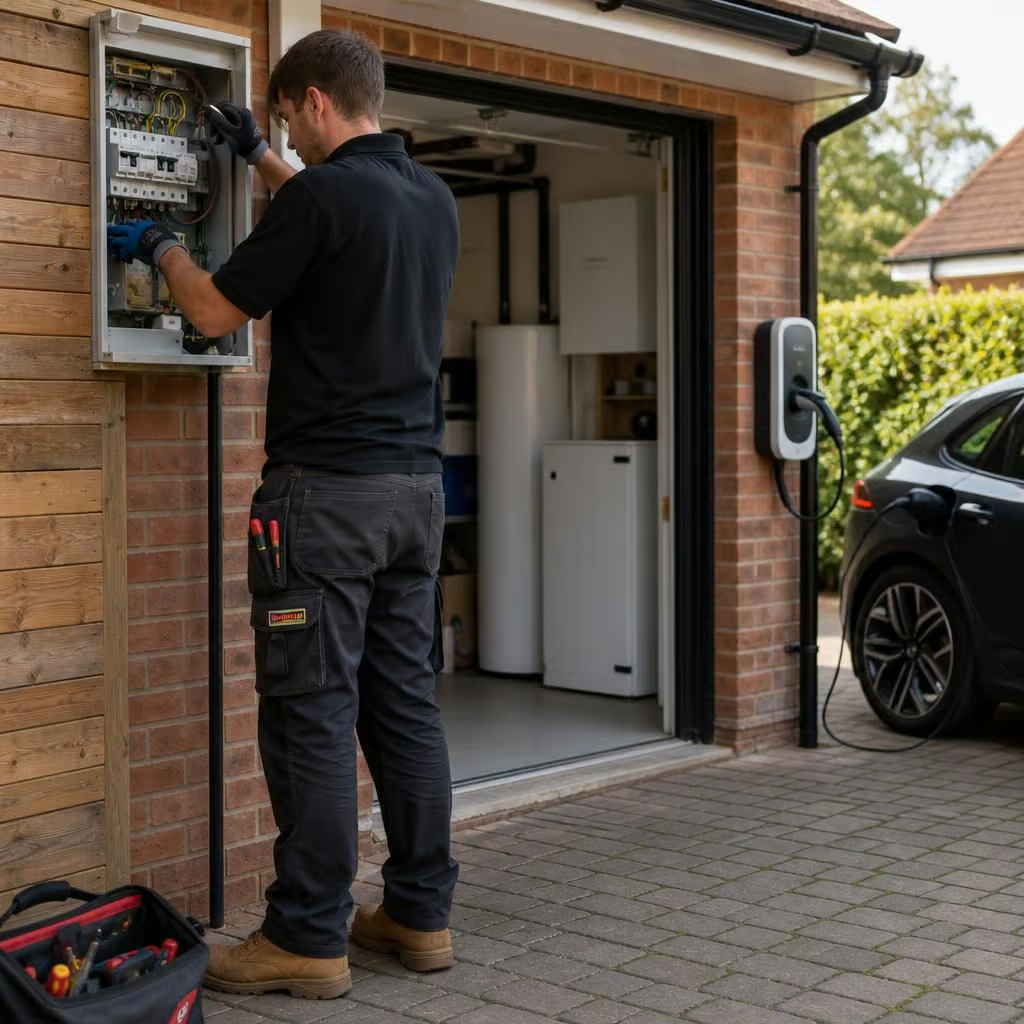
If the agreed cable route proves unsuitable once work starts, we won’t change it without explaining why. An unexpected obstruction, hidden service or unsuitable wall can affect the safest way to reach the charger.
We’ll show you the practical alternatives and explain how each could affect access, appearance and cost. You can then approve a revised route before we continue, rather than finding extra work on the final bill.