
Can you install a dual EV charger at my property?
Yes. We can install a dual EV charger where the electrical supply, parking layout and cable route are suitable, after checking the property and recommending the safest arrangement for charging two vehicles.
A dual EV charging installation is practical when the property can support two charge points without overloading its electrical supply. We design the system around how the vehicles are used, where they park and how much power the rest of the property needs.
Two charge points or one dual-socket unit? A dual installation can use two separate chargers or a single unit with two charging outlets. Separate chargers may suit parking spaces at different points around a building. A dual-socket unit can keep the equipment together and simplify cable routing. We recommend the arrangement that gives the best access without creating trip hazards or unnecessary external cabling.
The electrical supply comes first. Two vehicles may charge at the same time as the oven, immersion heater, heat pump or other high-demand equipment is running. We examine the incoming supply, consumer unit, earthing arrangement and existing circuits before deciding how the chargers should share available power.
Where the supply cannot safely provide the maximum output to both vehicles at once, load management can control the charging rate. The system reduces or pauses charging when the property is using more electricity, then increases the available charging power when demand falls. This can avoid an unnecessary supply upgrade, although it means charging times depend on what else is operating.
If the available capacity is not sufficient even with managed charging, we explain what work would be needed. That may include an upgrade to the consumer unit, changes to the earthing arrangement or an application to the distribution network operator. We set out any additional electrical work before installation rather than treating it as an unexpected extra.
The parking layout affects the design. Each vehicle needs a safe route between its charging socket and the charge point. We consider driveways, garages, shared parking areas, gates and pedestrian access. On a longer route, we may need to protect the cable mechanically or choose a different charger position. We do not leave loose cable across a path or position equipment where vehicles could damage it.
Older homes often need more care at this stage. Solid walls, listed buildings, barn conversions and detached garages can make external cable runs or drilling unsuitable. We look at the construction of the property and discuss visible trunking, concealed routes and any necessary groundworks before you choose the final position.
Solar panels and batteries can be included in the plan. If the property generates or stores electricity, we can consider how the two chargers should interact with that system. Charging may be arranged around available solar generation or battery use, subject to the equipment and control settings. We explain what the system can and cannot prioritise, so the charging behaviour is clear before the work begins.
Commercial sites need a different assessment. For a workplace, holiday property, landlord or managed car park, we look at who uses each space and how access is controlled. We can discuss dedicated parking bays, cable protection, future expansion and how electricity use should be separated between occupiers or vehicles. The final arrangement needs to work for the site operator as well as the individual drivers.
We also consider whether both charge points need to operate independently. Two drivers may need separate access, charging schedules or user controls. Where the installation is connected to a wider management system, we confirm the practical requirements before specifying the equipment.
The installation itself depends on the survey findings. We agree the charger positions, cable routes, protection and load-management approach before work starts. Our electricians install the dedicated circuits, protective equipment and charging hardware, then test the completed electrical work. We explain how to connect each vehicle and how the charging controls divide power between the two outlets.
NICEIC and ECA registration means our electrical work is carried out under recognised industry requirements, with the relevant certification provided for the completed installation. If the property has an existing electrical fault or outdated consumer unit, we explain that separately rather than connecting new chargers to an unsuitable system.
A dual charger is not automatically the right choice for every property. If one vehicle is normally charged overnight, a single charge point may be enough. If two vehicles regularly need charging together, a properly managed dual installation can make better use of the available supply and avoid moving cables between cars. The survey gives you the information needed to make that decision.
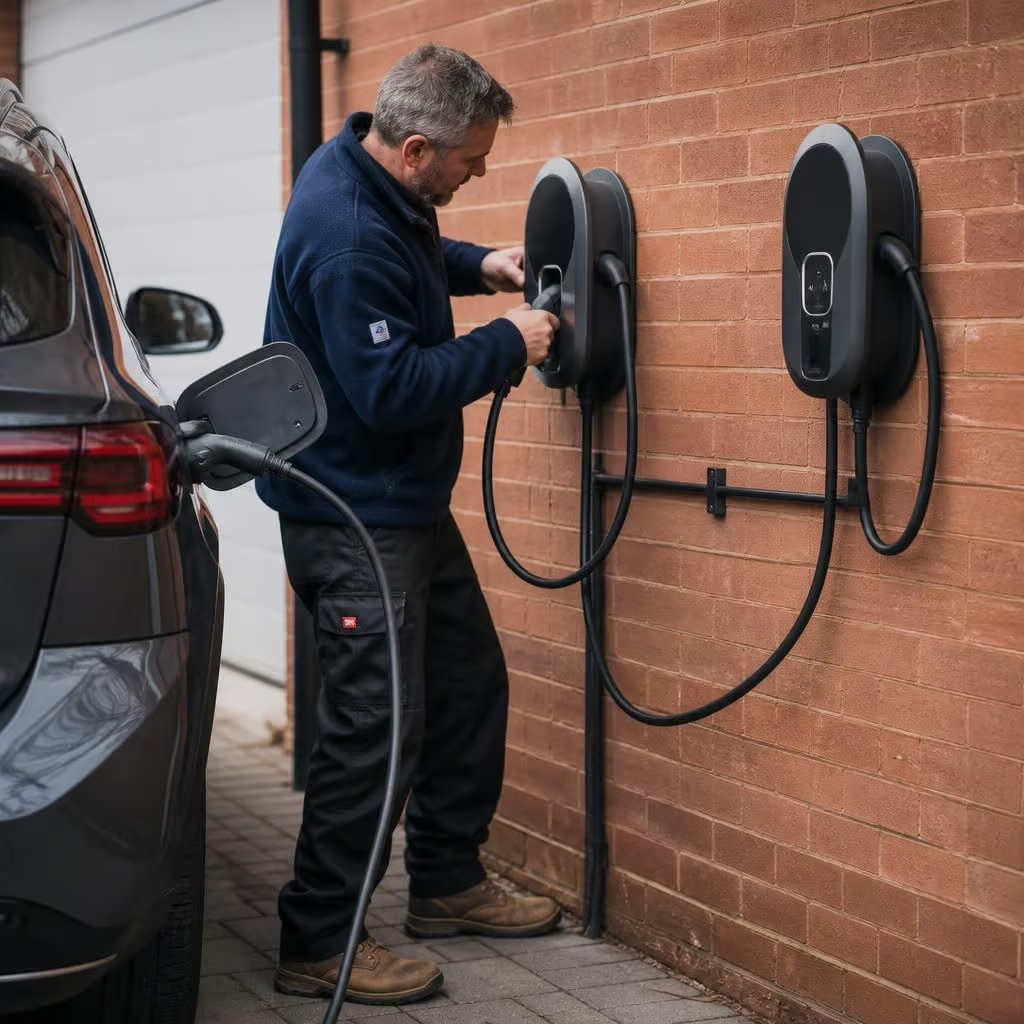
When two vehicles are connected, the available power may be shared between them rather than delivered at the maximum rate to both. We explain how that sharing works before installation, so you know what charging to expect when both cars are plugged in.
Once the equipment is fitted, we test each outlet and the charging controls as part of the completed electrical installation. You receive the relevant certification and a clear handover, including how to connect both vehicles and adjust the charging settings.