
How long will rapid EV charging station installation take?
A straightforward rapid EV charging station installation can often be completed in one visit. Sites needing an electricity supply upgrade, groundworks, planning permission or more complex cabling will take longer, so we confirm the timescale after surveying the site.
A rapid EV charging station can be installed in one visit when the site already has suitable electrical capacity, an agreed charger position and a clear cable route. The overall programme takes longer when the electricity supply needs upgrading, permissions are required or groundworks form part of the job.
The installation normally follows several stages:
- Site assessment: We inspect the incoming supply, distribution equipment, earthing arrangement, proposed charger position and cable route. We also look at access for installation equipment and the space needed around the charger.
- Electrical design: We calculate the charger’s load and check whether the existing supply and protective equipment can support it. The design may include new switchgear, protection, metering arrangements or load management.
- Permissions and approvals: A commercial site may need landlord consent, highway approval, planning input or agreement from the distribution network operator. We identify these requirements before fixing an installation date.
- Groundworks: Trenching, ducting, concrete bases, cable routes beneath parking areas and reinstatement can add work before the electrical installation begins. A site with an accessible wall and short cable route avoids much of this disruption.
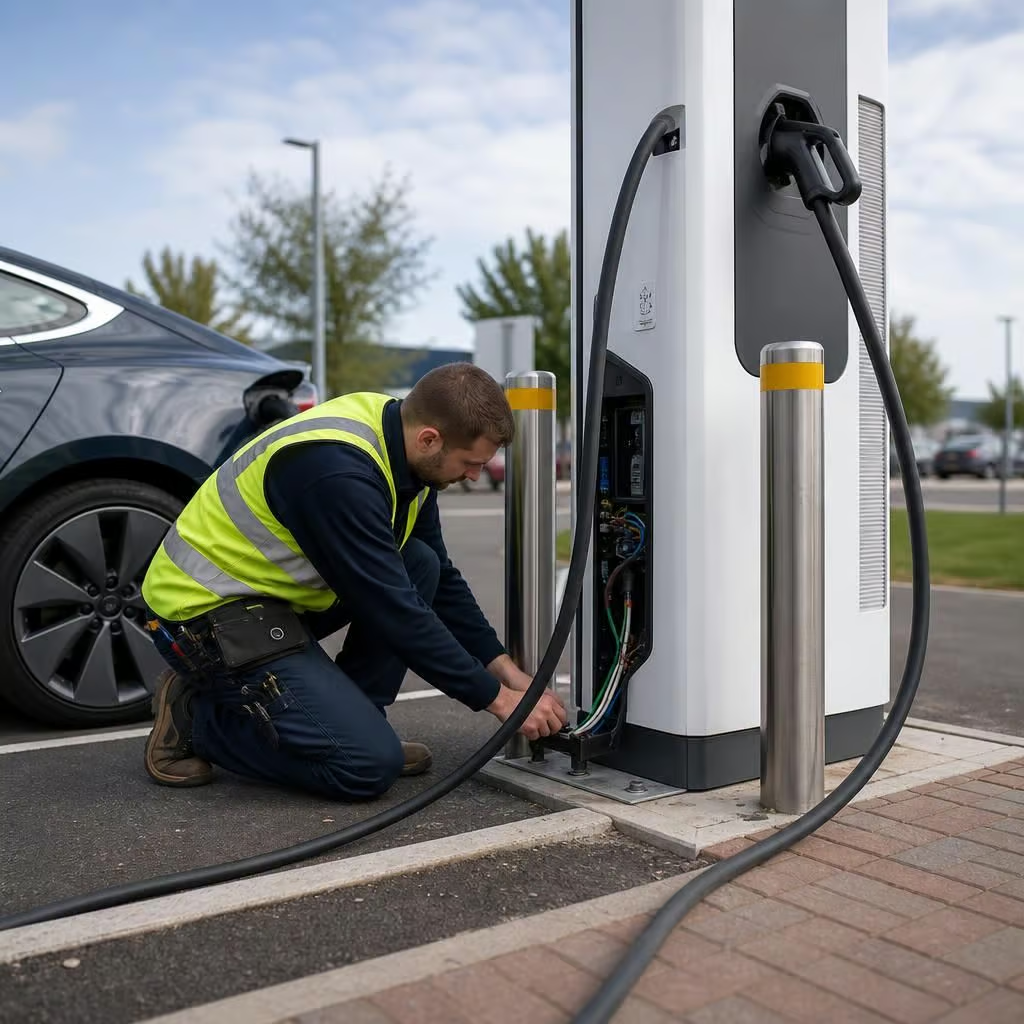
- Installation and testing: We fit the charger, install the cabling and protective equipment, make the connections, test the system and configure the charge point. We then explain its operation and provide the relevant paperwork.
Your electricity supply is the main factor affecting the programme. A rapid charger places a much larger demand on a property than a standard home charge point. If the available capacity is insufficient, we may need the network operator to assess and alter the service connection. That process sits outside the physical charger installation and can become the longest part of the project.
Your proposed location also matters. A charger close to the main electrical equipment needs less cable and usually less building work. A charger at the far end of a car park may need larger cables, buried ducts, protective barriers and a new base. Multiple chargers can require a planned load-management system so that the site does not exceed its available supply.
For a domestic installation, the work may be relatively contained when the charger is near the consumer unit and the cable can be routed without major alteration. Older homes can still be suitable, but we may need to upgrade the consumer unit, improve earthing or make other electrical changes before the charger can be commissioned. We explain those findings before work starts rather than treating them as unexpected extras.
Commercial installations usually need more coordination. We may need to plan around staff, visitors, deliveries and parked vehicles, while civil contractors or other site managers may need to work alongside us. A farm, business premises or shared car park may also have longer cable runs and more than one supply or meter. We agree the sequence with the person responsible for the property so the work is controlled properly.
Planning permission is not required for every installation, but listed buildings, conservation areas, commercial premises and chargers close to public highways can need additional checks. Leaseholders and tenants may also need written consent. Resolving these points early prevents the charger being installed before the site is legally ready for it.
On the installation visit, we protect the working area, isolate the relevant circuits and install the charger and associated equipment. We test the earthing, protective devices, cable installation and charging function before handing the system over. Our electrical work is carried out by NICEIC- and ECA-recognised professionals, so the testing and certification form part of the completed installation.
We provide the expected sequence and timing once the survey and design are complete. If the project needs a supply upgrade or groundworks, we separate those dependencies from the charger fitting itself. That gives you a clearer view of what must happen first, what may affect the programme and when the station can be put into service.
Installation time and charging time are separate things. A station may be fitted during one visit, but your vehicle must also support the charger’s output. The available electricity supply can limit charging power too.
We confirm the equipment’s expected performance during the design stage. That way, you know when the station should be ready for use and what charging speed your vehicle and property can realistically support.