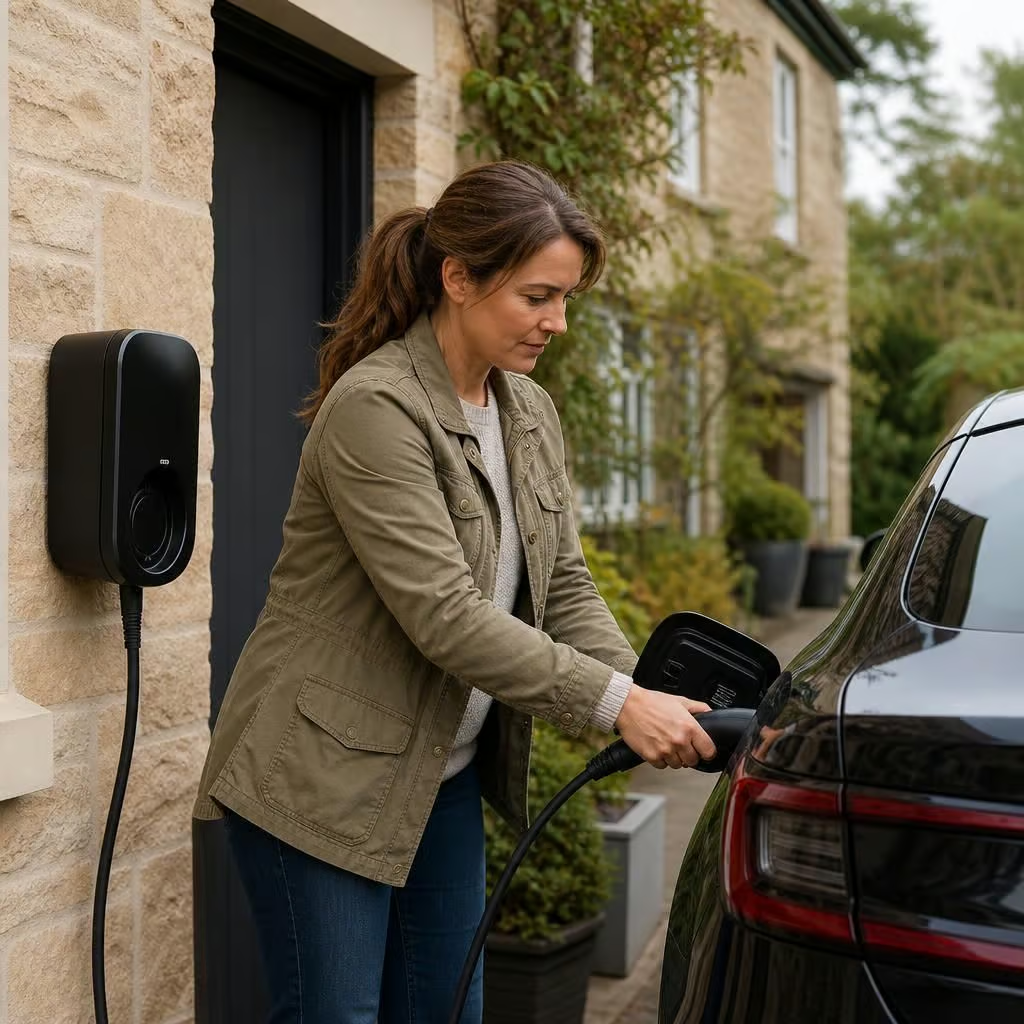
What disruption should I expect when an EV charging station is installed?
Most EV charging station installations cause limited disruption: we run the cable, secure the charger, connect it safely and complete the testing. Drilling, cable concealment, consumer unit work or trenching can add mess and time, so we confirm the proposed route and any extra work before installation.
For a straightforward installation, disruption is usually limited to drilling, cable work and electrical testing. The main difference comes from the distance between the consumer unit and the proposed charger, and from how neatly that route can be accessed.
Before installation, we look at the parking position, the wall or post for the charger, the consumer unit and the route between them. If the cable needs to pass through a room, cupboard, loft or garage, we explain the access needed before work starts. You can then decide whether the shortest route or the least visible route matters more to you.
Most common cable routes
- External wall route: the cable is fixed along the outside of the building, with suitable protection where required. This usually avoids lifting floors or disturbing internal decoration.
- Internal route: the cable may pass through cupboards, a garage, a loft space or beneath floorboards. We only open up areas needed for the agreed route and take care around finished surfaces.
- Driveway or garden route: a buried cable may require a trench between the property and a detached garage, parking area or charger post. We agree the route and reinstatement requirements with you before this work begins.
Drilling through the wall creates some noise and a small amount of dust. We protect the immediate work area, keep the drilling to the necessary points and remove installation waste afterwards. If the charger is going on a rendered, stone or older wall, the fixing method needs to suit the surface rather than simply relying on standard plugs.
Inside the property, we inspect the consumer unit and the existing earthing arrangement. A separate protective device may be needed for the charger. If the consumer unit is old, crowded or unsuitable, we explain the electrical work required before starting. That could add some work inside the property, but it avoids leaving a new high-load circuit connected to equipment that cannot safely support it.
An older or rural property does not automatically create more disruption. Solid walls, outbuildings and long cable runs can change the route, though. Listed buildings and properties with carefully finished interiors may need a less intrusive position or a more considered cable path. We discuss those constraints during the survey rather than deciding on the day without your agreement.
On installation day, we first protect the work area and confirm the agreed charger position. We then install the cable, make the connection at the consumer unit, mount the charger and fit any required protection. Power may need to be isolated while the electrical connections are made, so we tell you before that happens.
We test the circuit, protective devices, earthing and charger operation before handing it over. The final checks also confirm that the charger communicates correctly with its controls or app where those features form part of the installation. We show you how to start and stop a charge, explain the basic settings and identify the equipment that may need resetting if a protective device operates.
The paperwork matters as much as the physical installation. For electrical work, NICEIC and ECA registration means the installation is carried out within recognised electrical safety standards, with the relevant certification provided for the completed work. Keep this paperwork with the property records, particularly if the charger is connected to a rented or managed property.
We provide a written quotation before work starts. If the survey finds that the cable route, consumer unit or earthing arrangement needs something different from the initial expectation, we explain the change and its cost before carrying it out. You should not have to discover extra work through the final bill.
When the work is finished, we remove dust and offcuts from the installation area and leave the access points as tidy as the agreed route allows. The most useful preparation is to clear access to the consumer unit, charger position and cable route, and to tell us about any buried services or areas that must not be disturbed.
The least disruptive installation is usually planned before any drilling starts. If the proposed position sits near finished interiors, a detached garage or an older wall, we compare the practical options during the survey rather than changing the route once work has begun.
That planning also helps separate installation work from remedial work. If the existing electrical equipment needs attention before it can safely supply the charger, we set that out in the quotation first. You can then decide whether to proceed with the additional work, change the charger position or pause the installation without unexpected disruption on the day.