Is an energy supplier EV charger suitable for my home?
An energy supplier’s EV charger can suit your home if its charging features, tariff conditions and installation requirements match your car, parking arrangement and electricity supply. We check the consumer unit, cable route and proposed charger before confirming whether it is a practical choice for your property.
An energy supplier EV charger can be suitable, but the supplier’s name does not decide that. The important checks are the charger’s electrical demand, the condition of the existing installation, the cable route, the parking arrangement and the way you intend to charge.
Supplier packages often combine a charger with an electricity tariff and an app. That can work well if you are happy to let the app schedule charging or charge at particular tariff periods. It may be less suitable if you want to use another app, charge manually most of the time or change tariff regularly. Check what still works if you leave the tariff, stop using the app or lose your internet connection.
Your car also needs to work with the charging features being offered. Most home chargers provide the standard connection your vehicle expects, but smart charging may depend on the car, the charger and the supplier’s software communicating correctly. We check those requirements before installation rather than assuming that every vehicle can use every feature.
Your home’s electrical installation must support a dedicated charging circuit. We inspect the consumer unit, earthing arrangements, cable capacity and available space for protective equipment. An older installation may need remedial electrical work before the charger can be connected. That is particularly relevant in older rural properties where the consumer unit, incoming supply or earthing may not match modern requirements.
A charger can also affect the demand placed on the property. If the oven, immersion heater, electric heating or other high-load equipment runs while the car charges, the combined demand may exceed what the installation can safely provide. We assess this and can specify load management where the chosen charger supports it. That allows charging to reduce or pause when the rest of the property is using more electricity.
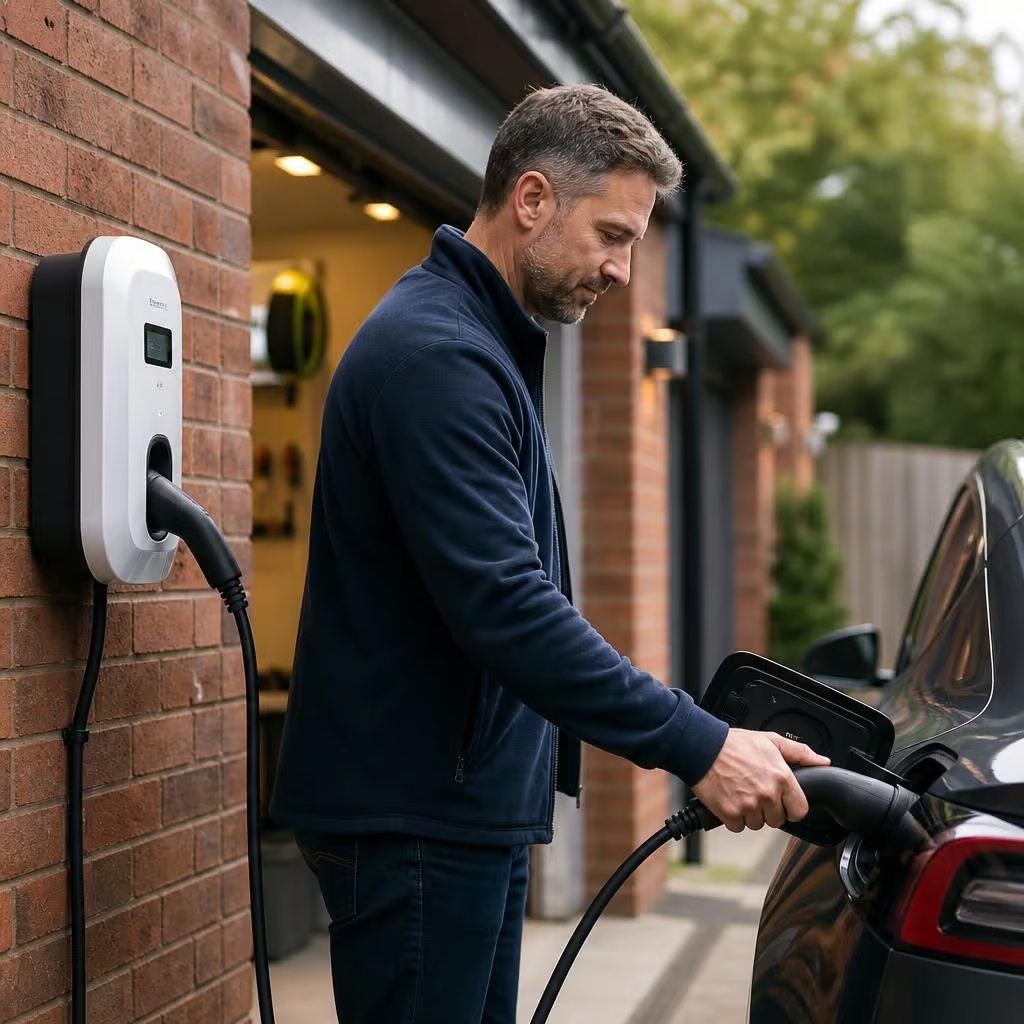
The parking position matters as much as the charger. You need a practical place to park without creating a trip hazard or stretching the cable across a public path. We look at the distance between the consumer unit, the charger and the parking space, then plan a route that protects the cable and keeps the finished installation tidy.
Walls, outbuildings, gravel drives and listed or older properties can all affect the route. We discuss visible containment, drilling positions and any access restrictions before work starts. If the parking space is away from the house, the cable route may require additional protection or groundwork that is not included in a simple wall-mounted installation.
Planning or property permissions may also matter. A listed building, shared access, rented property, leasehold home or installation close to a public highway can involve additional consent. You remain responsible for permissions that belong to the property, but we can identify questions to resolve before you commit to the charger.
The tariff should suit your charging pattern, not dictate it. A supplier’s overnight or smart tariff may help if the car is usually parked at home and can charge during the relevant periods. It may offer less value if you often return at different times, need immediate charging or do most charging away from home. Work out how often you charge at home and whether automatic scheduling is convenient before choosing the package.
If you have solar panels or are considering them, check whether the supplier’s charger can respond to solar generation and whether that feature works with your existing inverter and monitoring system. Solar charging is not automatic simply because both systems are installed at the same property. We check compatibility and explain what the charger can and cannot control.
The installation itself normally involves mounting the charger, running a dedicated cable, fitting the required protection at the consumer unit, testing the circuit and setting up the charger. We explain where the equipment will sit and what the cable route involves before giving a written quotation. Any work needed to make the existing installation safe should appear in that quotation rather than being added unexpectedly.
Our NICEIC and ECA electrical credentials mean the circuit is designed, installed and tested as electrical work rather than treated as a simple appliance connection. You receive the relevant installation information and test results for your records, which can matter when you sell the property or arrange later electrical work.
An energy supplier charger is usually a sensible choice when:
- you have suitable off-street parking;
- the property has an electrical supply and consumer unit that can support a dedicated circuit;
- the supplier’s app and tariff match the way you charge;
- the charger works with your car and any solar system; and
- you are comfortable with any conditions attached to the tariff or smart-charging service.
It may not be the right choice if the package locks important features to one tariff, your parking arrangement makes the cable route impractical, or the property needs substantial electrical upgrades first. In those cases, comparing the installation requirements and ongoing conditions separately can give you a clearer decision than comparing the headline package price.
We can assess the property, charger arrangement and intended charging pattern before you choose. You can then decide with a clear view of the electrical work, cable route, permissions and supplier conditions involved.
Your car may accept less power than the charger can provide, so a higher-rated unit won’t necessarily shorten charging. We check the vehicle’s maximum AC charging rate and compare it with the supply available at your home.
That gives you a charger matched to the car rather than paying for capacity you can’t use. We also explain how the charging rate may change when other high-load appliances are running, so you know what to expect before choosing the supplier’s package.