
What affects the cost of an energy supplier EV charger?
The cost of an energy supplier EV charger depends on the charger specification, the cable route, the distance from your consumer unit and any electrical upgrades your home needs. We assess the installation properly, including consumer unit capacity and cable access, so the quotation reflects the work rather than just the charger price.
The largest difference in energy supplier EV charger costs is usually the installation work, not the charger itself. A straightforward wall-mounted installation may cost less than one involving a detached garage, a long cable route, a new consumer unit or changes to the electrical supply. The supplier’s package can also move costs between the installation, the charger and the charging tariff.
The charger included in the package
Supplier offers may include different charger specifications. Check whether the price covers a basic unit, a tethered charger with a fixed cable, or an untethered model that uses a separate charging lead. Smart charging functions, solar charging compatibility, load management and app controls can all affect the equipment price.
A lower initial price does not always mean a lower overall cost. Some packages recover part of the equipment cost through a tariff, a contract term or a separate monthly charge. Before comparing offers, check:
- who owns the charger after installation;
- whether installation is included or charged separately;
- what happens if you change supplier;
- whether the tariff has conditions linked to smart charging;
- if there are fees for ending or changing the package; and
- what the quoted price excludes.
The condition of the existing electrics
Your consumer unit may already support an EV charger, but an older installation may need work first. We check the protective devices, earthing, cable condition and available capacity before we recommend a charging arrangement. If the consumer unit needs upgrading, that work forms part of the installation cost rather than an optional extra to discover later.
A recent electrical installation may need fewer changes. A property with an older fuse board, mixed wiring or limited capacity may need more preparation. We explain why each item is needed and provide a written quotation before work starts, so the price reflects the actual condition of the installation.
The distance and route from the consumer unit
A charger beside the consumer unit is usually simpler to install than one at the far end of a property. The route may pass through a loft, under floors, along an external wall or across to a detached garage. Each route affects the cable length, fixings, access and amount of making-good required.
Older and rural properties often have thicker walls, outbuildings or more than one electrical distribution board. A neat route may require additional containment, drilling or trenching. We discuss the position with you before installation rather than choosing the shortest route without considering how it will look or how the building is used.
Parking arrangements and access
The charger needs to be positioned so the cable reaches the vehicle without creating a trip hazard or obstructing access. If the car is parked on a drive, the work may be relatively direct. A detached garage, shared parking area or a vehicle parked away from the house can add cable, excavation or protection requirements.
Listed buildings, older walls and conservation areas may also restrict where equipment or cabling can go. We take the building and the parking layout into account during the survey, then identify any practical constraint that could affect the quoted work.
Load management and solar integration
Charging an EV adds a substantial electrical load to the property. If the cooker, immersion heater, heat pump or other high-demand equipment may run at the same time, the charger might need load management. This controls charging so the property does not exceed the available electrical capacity. The required equipment and configuration can affect the price.
If you have solar panels or plan to add them, the charger may need compatible controls and a suitable monitoring arrangement. Solar charging can involve more than connecting the charger to the existing system, particularly if a battery is also installed. We assess how the systems work together instead of treating the charger as an isolated appliance.
Survey findings and extra work
A remote supplier quote may assume a standard installation. The final cost can change when an electrician sees the property and confirms the cable route, consumer unit, earthing and charger position. That is why a proper survey matters, especially in an older home or one with a detached parking area.
Ask the supplier to state clearly if the price excludes any of the following:
- consumer unit or protective device upgrades;
- additional cable beyond the package allowance;
- trenching, drilling or external cable protection;
- work on an outbuilding or separate distribution board;
- repairs to unsafe or damaged existing wiring; and
- changes needed for solar, battery or load-management controls.
We carry out the electrical assessment before agreeing the work. As NICEIC- and ECA-registered electricians, we check that the installation is suitable for the charger rather than simply fitting the unit supplied by an energy company. You receive the cost of the required work in writing before anything starts.
Comparing the real cost
Compare the complete arrangement, not just the headline installation price. Put the charger, installation work, tariff conditions, contract commitment and any likely electrical upgrades side by side. A package with a low upfront cost may suit you if its terms fit the way you charge. It may not be the best choice if you want to change supplier, charge mainly at different times or keep full control of the equipment.
For a reliable comparison, ask for an itemised quotation based on your actual parking space and electrical installation. That shows which costs are unavoidable, which depend on the charger selected and which come from the supplier’s tariff package.
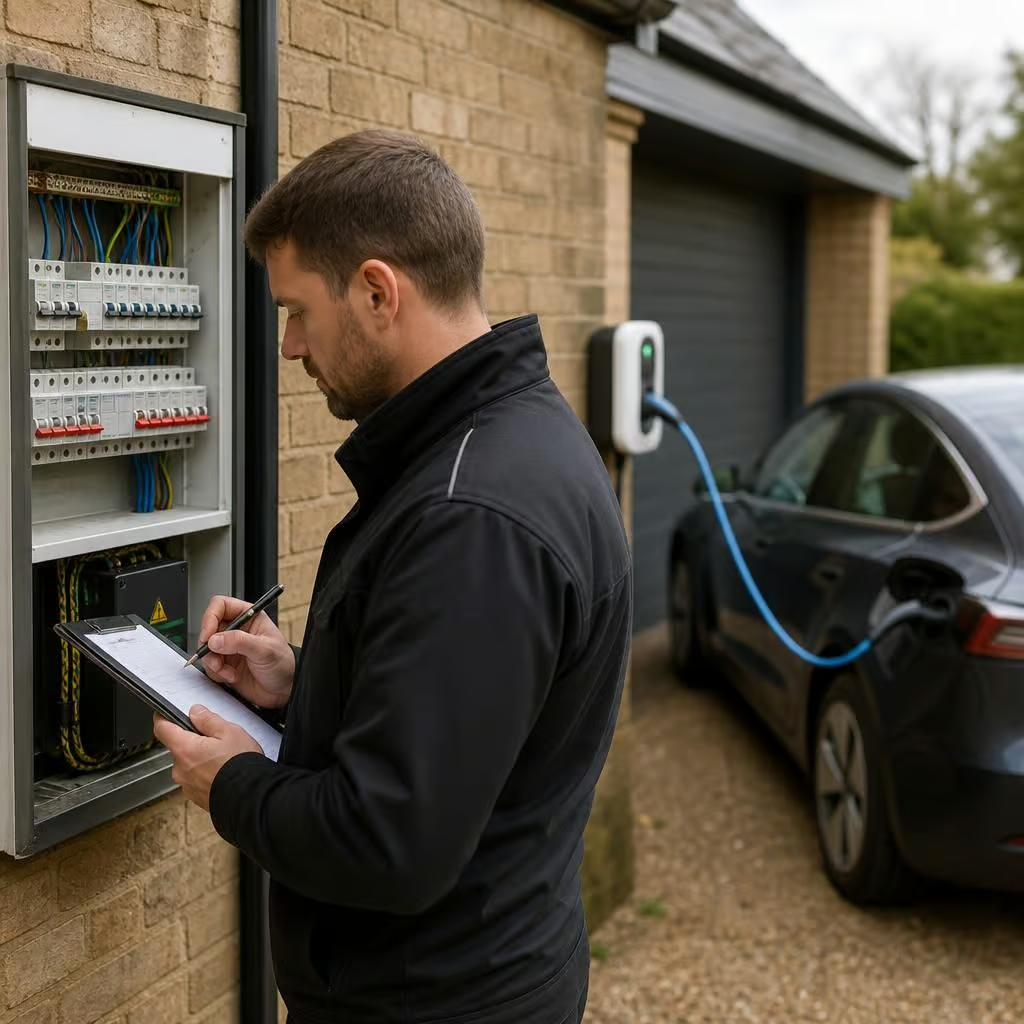
If the incoming electricity supply cannot support the charger alongside the rest of the property’s demand, the installation may need more than an internal upgrade. We identify that during the electrical assessment and explain whether the network operator needs to be involved. That possibility can affect both the final cost and the installation arrangements, so it should be clear before you accept a supplier’s package.