
How long does home EV charger installation take?
A straightforward home EV charger installation is often completed in one visit after the electrical checks are complete. The overall timescale depends on the cable route, charger position, consumer unit and any remedial work identified during the survey.
The installation appointment is only one part of the timetable. Before we book the work, we establish the cable route, the condition of the electrical installation and any permissions or remedial work that could affect the date.
A typical installation follows these stages:
- Initial survey: We confirm where the car is parked, where the charger will sit and how the cable can reach it. We assess the consumer unit, earthing arrangement, meter position and available supply.
- Specification and quotation: The survey shows whether the cable can run internally, externally, through a wall or below ground. We set out the charger, protection, cable route and any additional work in writing before anything starts.
- Preparation: If the consumer unit needs upgrading, the cable route needs excavation or another electrical fault needs correcting, we include that work in the programme. These tasks can require more than one appointment.
- Installation: We fit the charger, run and secure the cable, install the required protective equipment and connect it to the property’s supply. We keep the work area tidy and make good where this forms part of the agreed work.
- Testing and handover: We test the circuit and charger, explain the controls and help with the initial setup where the charger uses an app or online connection. You receive the relevant electrical paperwork when the work is complete.
The shortest timetable usually applies where the charger is close to the consumer unit, the cable route is straightforward and the existing installation is suitable. A longer route does not automatically prevent installation, but it can involve more cable, additional protection or access through walls, floors and external areas.
Your consumer unit may affect the timing. Older boards may lack the protective equipment needed for an EV charge point. If the board is in poor condition, has limited capacity or does not provide suitable protection, we explain the required upgrade before installation. We do not connect a charger to an installation that cannot safely support it.
Properties with detached garages, parking away from the house or long drives often need a different cable route. We may need to run cable through an outbuilding, protect it against impact or install it below ground. Hard surfaces, drainage, boundaries and the position of existing services can all affect the work involved.
Rural and older homes can need extra assessment because the wiring, earthing and supply arrangements may have been changed over several decades. If the property has an older consumer unit or an outbuilding with a separate supply, we check how the charger will be protected rather than assuming the existing arrangement is suitable.
External work can also depend on access. Clear access to the consumer unit, the proposed charger position and the cable route helps us complete the planned work without avoidable interruption. If you live in a listed building, a managed development or a property with shared parking, check whether landlord, management company or planning consent is needed before work is arranged.
Our electricians carry out the installation under NICEIC and ECA electrical standards. That means the testing and certification relate to the actual circuit and protective measures installed at your home, rather than just the charger itself.
Once we have the survey information, we can tell you which parts of the work fit into the installation appointment and which need separate preparation. The written quotation then gives you a clear scope of work and identifies anything that could change the timetable, so you can plan the charging upgrade without guessing what happens next.
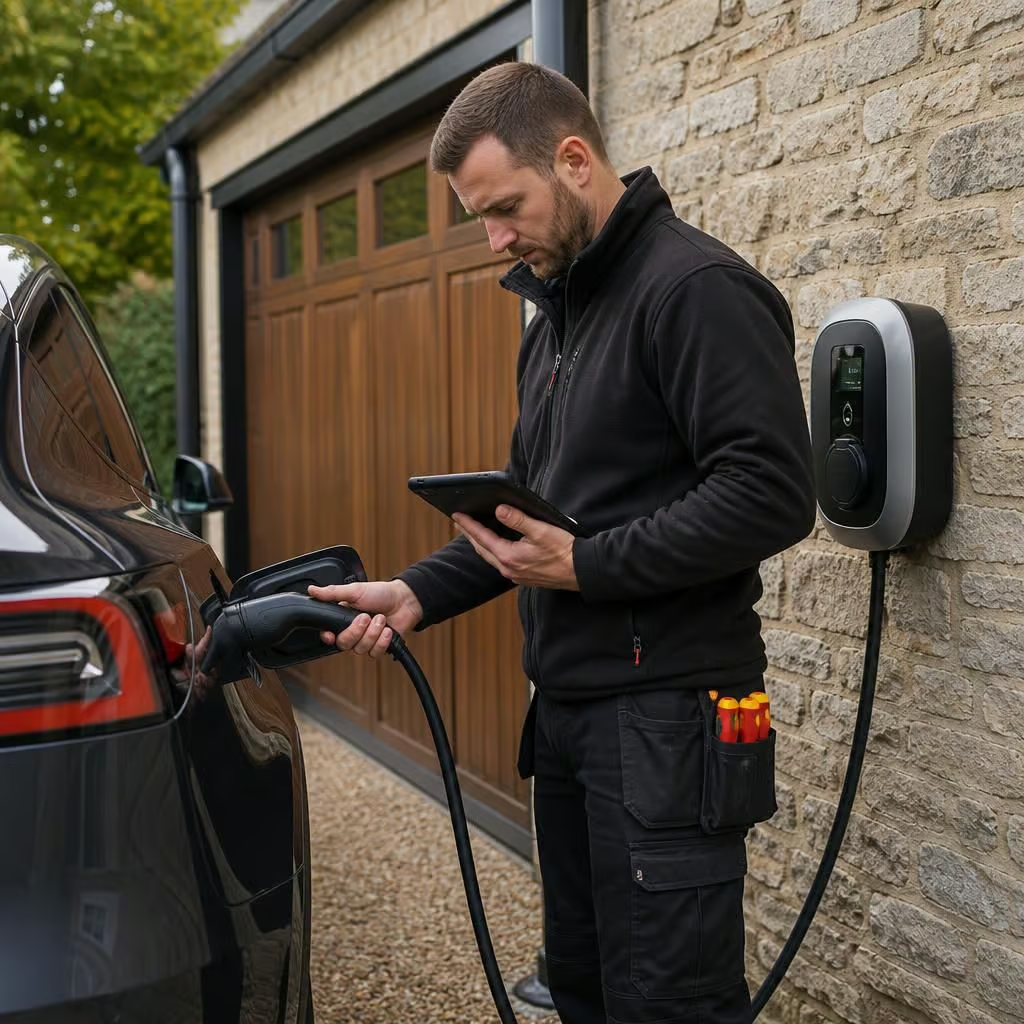
If you’re arranging a charger for a new electric vehicle, allow time for decisions before the installation date. We can check the proposed parking position and identify any trenching, access or supply work that needs arranging first.
That preparation keeps the installation appointment focused on fitting, connecting and testing the charger. It also means you’re less likely to face a change of cable route or extra electrical work once the engineer is on site.