
Can I use a portable EV charger with an extension cable?
A portable EV charger should not normally be used with an extension cable. The extra connections can overheat, especially during several hours of charging, so plug it directly into a suitable socket or have a dedicated home charge point installed.
Treat an extension lead as unsuitable for routine EV charging. A portable charger should connect directly to an appropriate socket, with no cable drum, adaptor, multiway block or second extension lead between the charger and the wall.
The concern is not simply the length of the cable. EV charging places a continuous demand on the circuit, unlike a kettle or vacuum cleaner that runs for a short period. An extension lead may have a lower rating than the charger, damaged contacts, thin conductors or loose connections. Any of these can create a hot spot that is difficult to notice until the plug, socket or cable has been damaged.
Cable reels need particular care. A coiled lead cannot get rid of heat effectively. Fully unwinding it removes one risk, but it does not make an extension lead suitable for charging. Joining leads together, using a domestic adaptor or sharing a multiway block adds more connections and more potential points of failure.
The portable charger’s own protection does not remove the risk from unsuitable house wiring or an extension lead. It can monitor charging conditions, but it cannot correct a poor socket contact, an overloaded circuit or a cable that is not rated for the load. The charger manufacturer’s instructions should also be followed, as some specifically prohibit extension leads.
Outdoor charging needs extra caution. A lead running across a driveway can be damaged by vehicles, trapped under a door or become a trip hazard. Rain, standing water and wet connections create additional danger. Do not leave a portable charger or extension lead exposed to weather unless every part is specifically designed and installed for that use.
If direct connection to a suitable socket is not practical, we can assess the existing circuit and the proposed charging position. We check the socket, cable route, earthing, protective devices and the other equipment supplied by the circuit. That shows whether the socket is appropriate and whether a dedicated circuit or fixed EV charge point is the better answer.
A fixed point avoids dragging a portable charger and extension lead across the property each time you charge. We can position it to suit the parking space, protect the cable route and explain the controls before you use it. The work may also identify an ageing socket, inadequate protection or other electrical changes that need attention before charging becomes part of the normal household load.
Stop using the arrangement if the plug or socket feels unusually warm, smells of hot plastic, shows browning or melting, makes a buzzing sound, or repeatedly trips the circuit. Switch the charger off, unplug it if it is safe to do so, and arrange an inspection. Do not continue charging to see whether the problem clears.
For a portable charger used at home, the safest routine is simple:
- Plug it directly into a suitable wall socket.
- Keep the plug and socket clean, dry and undamaged.
- Do not use an extension lead, cable reel, adaptor or multiway block.
- Keep the charging cable away from vehicle wheels, doors and standing water.
- Have the circuit checked if the socket is old, damaged or shared with heavy household loads.
Our electricians can check the existing installation and explain the practical choices without assuming that a fixed charger is suitable for every property. Electrical work is carried out under NICEIC and ECA standards, giving you a properly assessed connection rather than relying on an extension cable as a permanent arrangement.
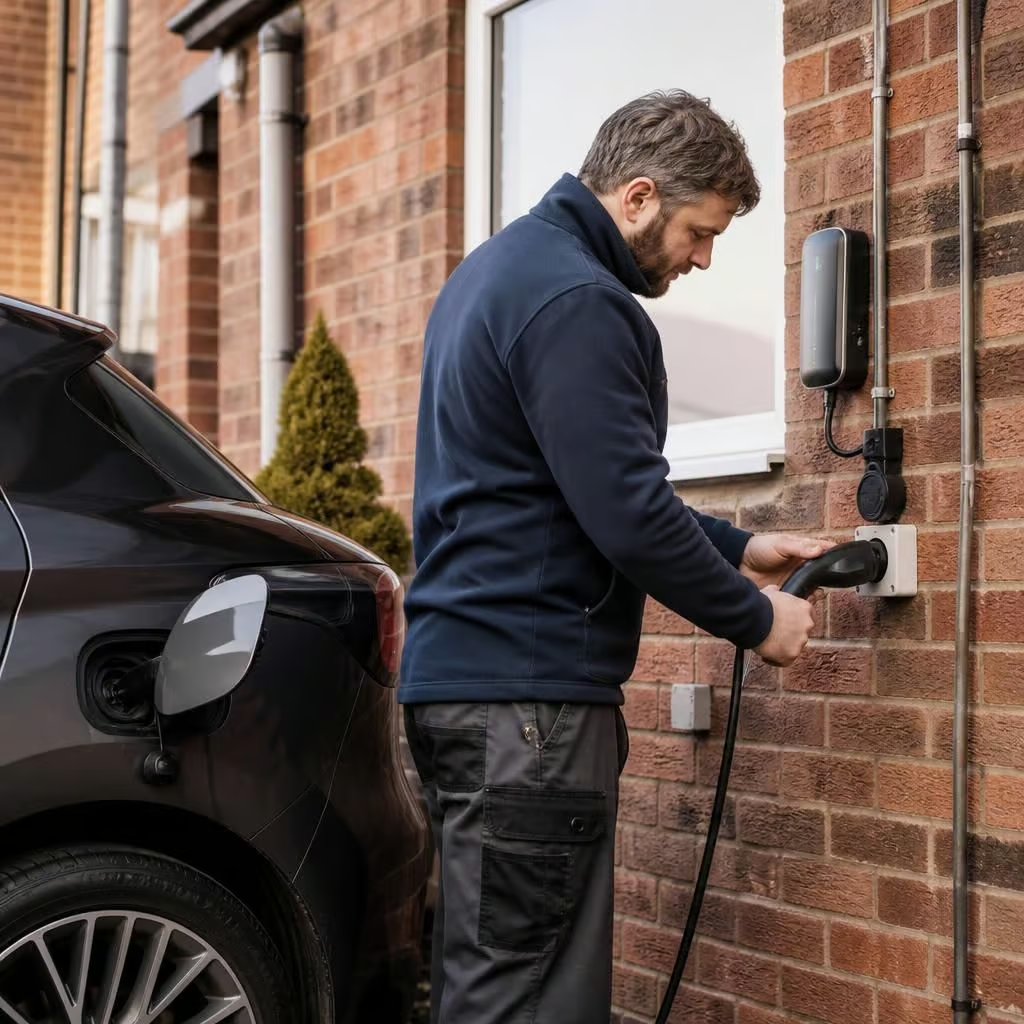
Reducing the charging current doesn’t automatically make an extension lead safe. The lead, plug, socket and circuit still need to be suitable for sustained charging, and the charger manufacturer may prohibit extensions altogether.
If the cable won’t reach the car, don’t improvise with a longer domestic lead. Park closer to the socket where practical, or ask us to assess a safer socket position or fixed charging point.