How often should an air source heat pump be serviced?
An air source heat pump should usually be serviced once a year, following the manufacturer’s guidance. Regular servicing helps identify faults early and keeps the system operating efficiently and reliably.
The right servicing interval is the one set by the manufacturer for the installed model, with the condition and use of the system taken into account. A system in a clean, lightly used home may need a different approach from one working hard in a dusty rural setting or serving several heating zones.
Manufacturer guidance matters for two reasons. It sets out the checks needed for that particular unit, and it may form part of the warranty conditions. We check the model, installation details and service history before recommending the next visit. If the paperwork is missing, we can identify the equipment from the indoor and outdoor units and work from the available technical information.
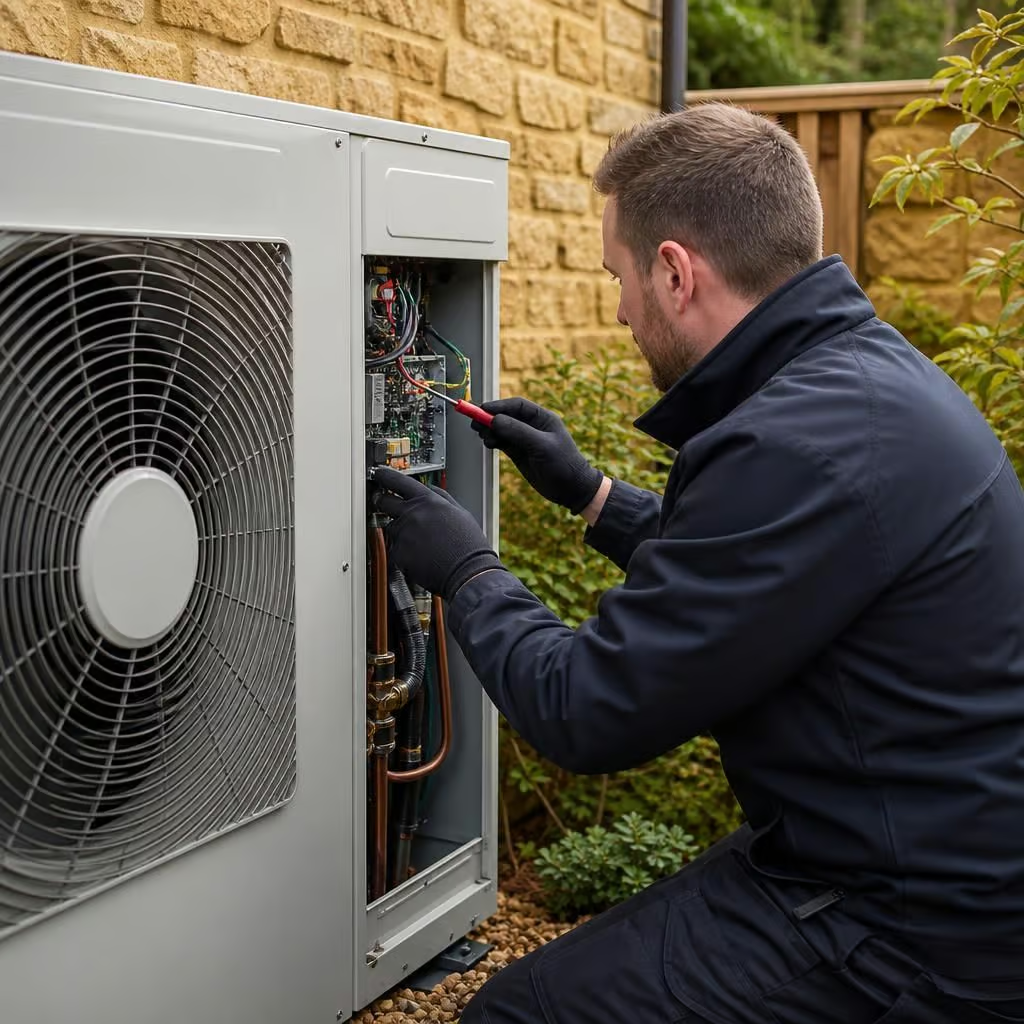
Servicing is not just a visual inspection. For an air-to-water system, we normally examine the parts that affect heat transfer, water circulation, controls and safe operation.
- The outdoor unit, fan, coil and air inlets are checked for leaves, dirt, damage and restricted airflow.
- Refrigerant pipework and insulation are examined for signs of damage or deterioration.
- The condensate route is checked so water can drain without backing up or freezing in the wrong place.
- Water pressure, circulation, strainers, pumps, valves and expansion components are assessed.
- Radiator or underfloor-heating circuits are checked for flow problems that could make the heat pump work harder.
- Electrical connections, protective devices, sensors and control settings are inspected.
- Noise, cycling, temperatures and fault history are reviewed against how the system should operate.
Your property and heating habits can change the sensible interval. A heat pump that runs for long periods, supplies hot water as well as heating, or serves a large home may need closer attention than a smaller system. Dust, leaves and plant growth around the outdoor unit can also reduce airflow between services.
Older homes deserve particular attention because the heat pump depends on the whole heating system. Poorly balanced radiators, restricted pipework, sludge or unsuitable controls can leave rooms cool even when the heat pump itself is working correctly. We record these findings rather than treating every comfort problem as a fault with the outdoor unit.
Some basic checks sit between professional visits. Keep the area around the outdoor unit clear, avoid storing items against it and follow the cleaning instructions for the equipment. Don’t remove panels, interfere with refrigerant pipework or reset a recurring fault repeatedly. Those jobs need the right technical knowledge and equipment.
Contact us sooner if the system develops a persistent error code, unusual noise, repeated pressure loss, a water leak, heavy unexplained icing or a noticeable drop in heating or hot-water performance. A service can identify wear and restricted flow, but a failed component or refrigerant fault may need separate repair work.
After the visit, we explain any findings, note the readings and identify work that can wait from anything that needs attention. You receive a clear record for the next service and for anyone who later needs to diagnose the system.
We service air source heat pumps across Warwickshire, Oxfordshire, Gloucestershire and the North Cotswolds. If you’re unsure when the last service took place, the model number and any previous paperwork are useful starting points, but they aren’t essential for an initial discussion.
A newly installed heat pump still needs routine servicing. Commissioning confirms that the system has been set up correctly at handover, but it doesn’t replace the first scheduled service.
Keep the commissioning record and manufacturer’s service instructions with the property paperwork. They give us the correct starting point when we arrange the first visit and help prevent the system being serviced too early or left too long.