
What does an air source heat pump service include?
An air source heat pump service includes safety checks, cleaning, inspection of the system and controls, and performance testing. We identify faults or wear, explain any repairs needed, and advise you on keeping the system working properly.
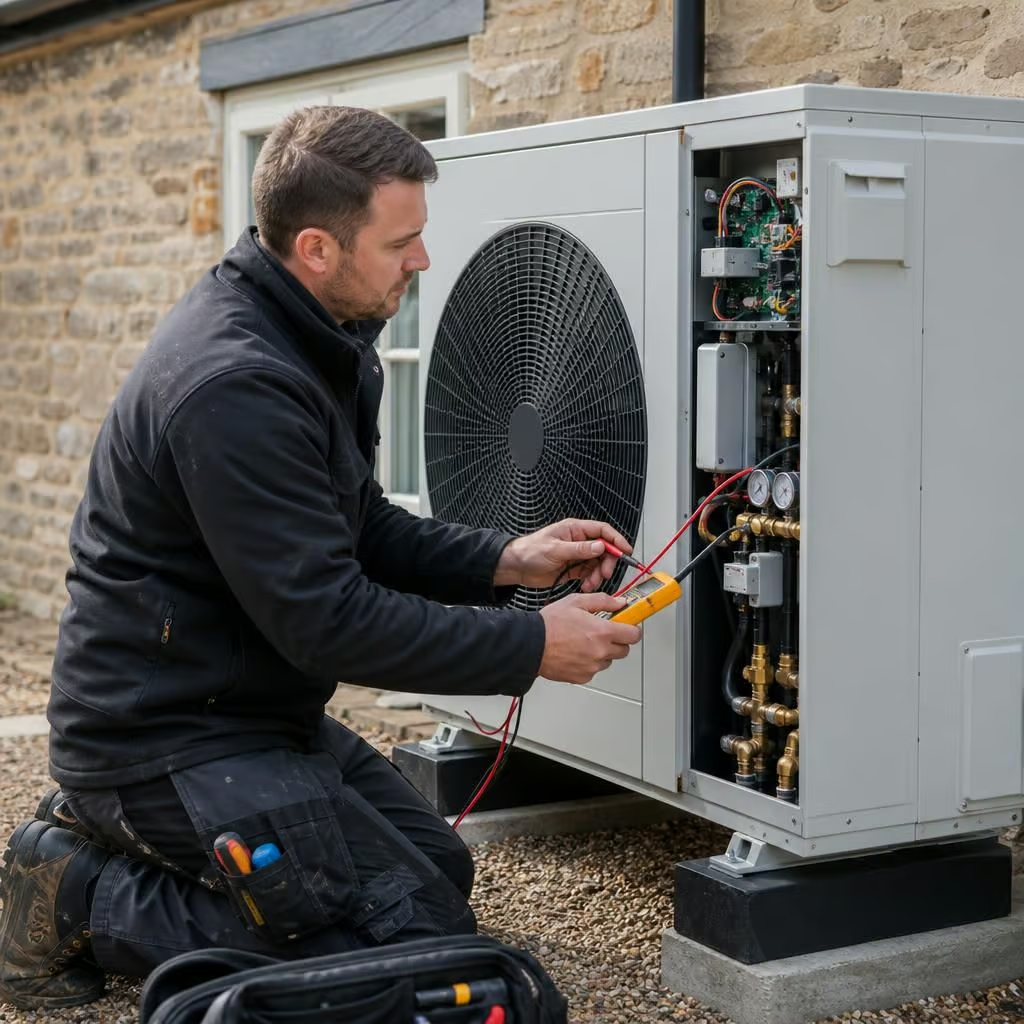
An air source heat pump service checks how the whole system is operating, not just the heat pump itself. We assess the outdoor unit, indoor components, water circuit, electrical connections and controls, then record anything that could affect heating, hot water, efficiency or reliability.
The outdoor unit
Leaves, grass, dust and other debris can restrict the air movement that the heat pump needs. We check the grille, coil, fan and surrounding clearance, then remove suitable surface contamination without damaging the fins. We also look for corrosion, physical damage, unusual vibration and signs that water is not draining away properly during defrost cycles.
Your heat pump may produce water as it operates, particularly in colder weather. If the drain route is blocked or poorly positioned, ice can form around the unit and affect operation. We inspect the condensate arrangement and identify changes needed to reduce that risk.
The indoor unit and water circuit
Problems inside the property can make a heat pump appear to be at fault. We check the cylinder or hydraulic module, pumps, valves, strainers, expansion vessel and visible pipework for leaks, pressure problems or signs of restricted circulation. Where the system has a buffer vessel or low-loss header, we consider its condition and how it is affecting the rest of the installation.
Radiators and underfloor heating circuits also form part of the heating system. We look for cold areas, trapped air, poor balancing and valves that are not responding correctly. This helps separate a heat pump fault from a circulation or emitter problem.
Electrical and refrigerant-related checks
Loose connections, damaged cables, poor isolation or a recurring protective-device trip need attention before they become a larger fault. We examine the accessible electrical components and confirm that the system is operating as expected under load.
The sealed refrigerant circuit is not something we open as part of a routine service. If operating readings, frost patterns or system behaviour point to a refrigerant issue, we explain what we have found and what specialist work may be required. We do not treat a low-output system as a settings problem without investigating the cause.
Controls and operating settings
A heat pump normally works best by maintaining a steady flow of heat rather than behaving like a conventional boiler that switches fully on and off. We review the heating curve, flow temperature, room influence, hot-water programme and weather compensation settings against the property and the occupants’ use.
If a control has been left in a temporary override, or the hot-water schedule is causing unnecessary cycling, we explain the effect and agree any sensible adjustment with you. We also check that thermostats, sensors, remote controls and app-connected functions are communicating correctly where those features are installed.
Checks under operating conditions
Readings taken while the system is running show more than a visual inspection. We assess flow and return temperatures, circulation, hot-water recovery and the way the unit responds through its operating cycle. We listen for changes in fan or pump noise and look for repeated starts, unexplained stops or warning messages.
A heat pump can appear to work while still using more electricity than necessary. We compare its behaviour with the system design and the information available from its controller or monitoring equipment. This does not produce a universal savings figure; it shows where the property, settings or equipment may need further investigation.
What happens if we find a fault?
Some issues can be dealt with during the visit, such as a blocked strainer, incorrect pressure, a loose connection or a control setting that is preventing normal operation. We explain the work before carrying it out rather than adding unexpected tasks to the service.
A failed component, damaged pipework or a problem with the sealed circuit may need a separate repair. In that case, we describe the fault, its likely effect and the recommended next step. A service is not a substitute for repairing a system that has already lost heating or hot water.
The service record
Older houses, solid-wall properties and installations serving mixed radiator and underfloor circuits can need a closer look at system balance and operating temperatures. We note relevant findings in the service paperwork, including condition, readings, outstanding defects and any maintenance or improvement work worth considering.
That record gives you a useful reference for future servicing and helps identify changes over time. It also makes clear which items were checked, which were adjusted and which require a quotation before further work begins.
If rooms take longer to warm, hot water runs short or the system has started making different noises, tell us before we begin. We ask how the heat pump has been behaving, which rooms are affected and whether anything changed after a control or building adjustment.
That information helps us compare the system’s present operation with the way you use the property. We can then focus the checks on recurring symptoms rather than treating the visit as a simple visual inspection.