
How do I know an air source heat pump will suit my home?
An air source heat pump can suit many homes, including older and off-gas-grid properties, but the answer depends on heat loss, insulation, radiators, available space and the electrical supply. We assess those factors during a home survey, then explain what would need changing and whether the system is a sensible choice for your property.
An air source heat pump is likely to suit your home if the building can retain heat, the heating system can deliver it at lower temperatures, and there is suitable space for the equipment. It can work well in older and off-gas-grid properties, but the right answer comes from the design of the whole system rather than the age of the house alone.
Start with how the home performs. A heat pump usually runs for longer periods at a lower flow temperature than a conventional boiler. That makes draughts, uninsulated roofs and poorly fitting windows more noticeable. It does not mean every room needs to be renovated before installation. We look at the construction of the property and identify improvements that would make the system work better, such as loft insulation, draught reduction or attention to particularly cold rooms.
Solid-wall houses, barn conversions and listed buildings need careful judgement. Their construction can limit the insulation work that is practical or acceptable. We take account of the walls, windows, roof, floor and exposure rather than applying a standard specification. If a proposed improvement would affect a listed building or require planning approval, that needs to be considered before work begins.
Your current heating habits matter too. A heat pump is normally most comfortable when it maintains a steady background temperature, rather than heating the house from cold in short bursts. If you currently turn the boiler off for long periods, we explain what would change and whether the new controls would suit the way the home is occupied.
We also consider the hot water routine. A heat pump uses a hot water cylinder, so the property needs a suitable location for the cylinder and enough stored hot water for the household. That may mean changing from a combination boiler to a cylinder-based arrangement. The cylinder needs pipework, controls and access for maintenance, not simply an empty cupboard.
Older radiators are not an automatic barrier. Some will provide enough heat at the temperatures a heat pump uses. Others may need to be replaced or repositioned, particularly in rooms with high heat loss. We calculate the heat requirement for each room and compare it with the output of the existing emitters. That avoids replacing radiators unnecessarily while showing clearly where changes are needed.
The same applies to pipework. Narrow or poorly arranged pipework can restrict flow and make a low-temperature system perform badly. We check the main heating circuits, valves, cylinder arrangement and available routes before confirming the design. If the work involves electrical changes as well as heating alterations, the same in-house team can coordinate those parts rather than leaving you to arrange separate trades.
The outdoor unit needs a practical position. It requires adequate airflow and a stable base, with space around it for installation and future servicing. We check the proposed position against windows, boundaries, access routes and the appearance of the property. On a rural home, the most convenient wall or yard is not always the best location. We also discuss the operating sound and how the position may affect bedrooms or neighbouring properties.
Condensate drainage is another detail that matters. The outdoor unit produces water during operation, particularly in colder weather. We plan a suitable drain and frost protection rather than allowing water to discharge across a path or freeze beside the unit.
Your electrical supply must be able to support the system. We check the consumer unit, earthing, supply capacity and the proposed circuit before installation. An older installation may need electrical work alongside the heat pump. That is not a reason to reject the project, but it should appear clearly in the quotation so the final cost does not come as a surprise.
Properties currently heated by oil or LPG can be good candidates because the heat pump may replace a fuel tank and combustion appliance. We still assess the building and the distribution system carefully. Being off the gas grid does not, by itself, make a heat pump suitable. Nor does it make one unsuitable.
A proper survey should leave you with a clear decision. We inspect the property, discuss how you use the rooms and review the existing heating and electrical arrangements. We then explain:
- how much heat each part of the home needs;
- which radiators, pipes, controls or hot water components can remain;
- which changes are essential and which are improvements you could plan separately;
- where the indoor and outdoor equipment would go;
- what electrical work and building preparation are involved;
- how the system would be controlled and used;
- what disruption the installation would cause; and
- how the estimated running cost compares with the current arrangement for that property.
That assessment should also identify when a heat pump is the wrong choice. A very leaky building with no practical route for improvement, insufficient space for the cylinder, an unsuitable outdoor-unit position or an electrical supply that cannot be adapted may make the project impractical. We would explain that before recommending equipment.
Planning and grant requirements form part of suitability. The outdoor unit, listed status, conservation restrictions and location of the property may affect what permissions are needed. We check the relevant installation requirements rather than assuming a standard domestic arrangement will apply. MCS certification means we can make a Boiler Upgrade Scheme application on your behalf when the property and installation meet the scheme rules. It also means the completed renewable installation can be eligible for the Smart Export Guarantee where the relevant requirements are met.
We provide a written quotation before work starts. It should separate the heat pump, cylinder, controls, radiators, pipework, electrical work and any preparation, so you can see what the proposed system includes. If the survey finds that further investigation is needed, we say so rather than hiding an allowance inside the price.
For a home in Warwickshire, Oxfordshire, Gloucestershire or the North Cotswolds, the most useful next step is a property-specific assessment. Bring recent fuel bills if you have them, details of the current boiler and any plans for insulation or renovation. We can then judge whether an air source heat pump suits the house you have, not an assumed version of it.
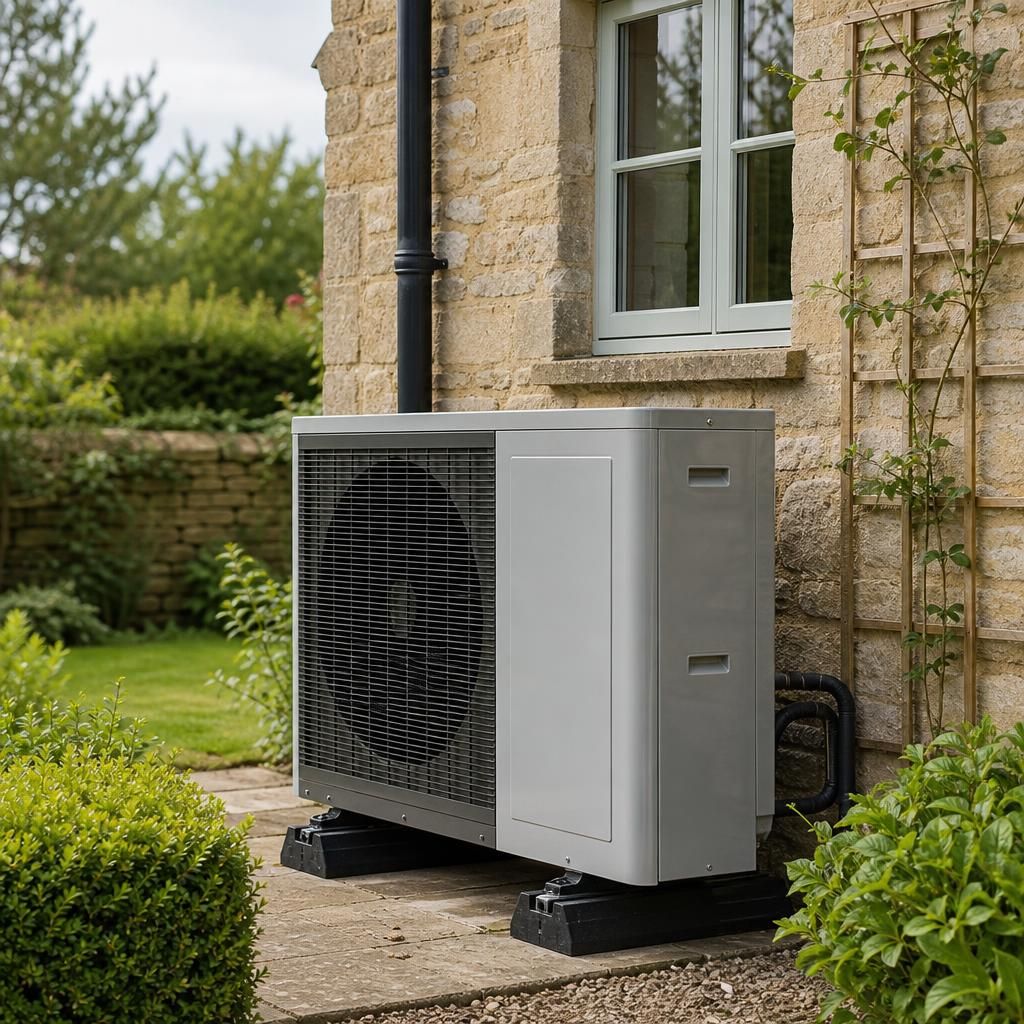
A heat pump should be judged against the way your home is actually heated, not against a typical property. We use the survey findings and available fuel information to compare the proposed system with your current arrangement, including the changes needed to make it work properly.
That comparison helps separate running costs from installation costs. It also shows where the result depends on insulation, radiator upgrades, electricity use or changes to your heating routine. You can then decide with a clear view of the practical work involved, rather than relying on a headline saving.